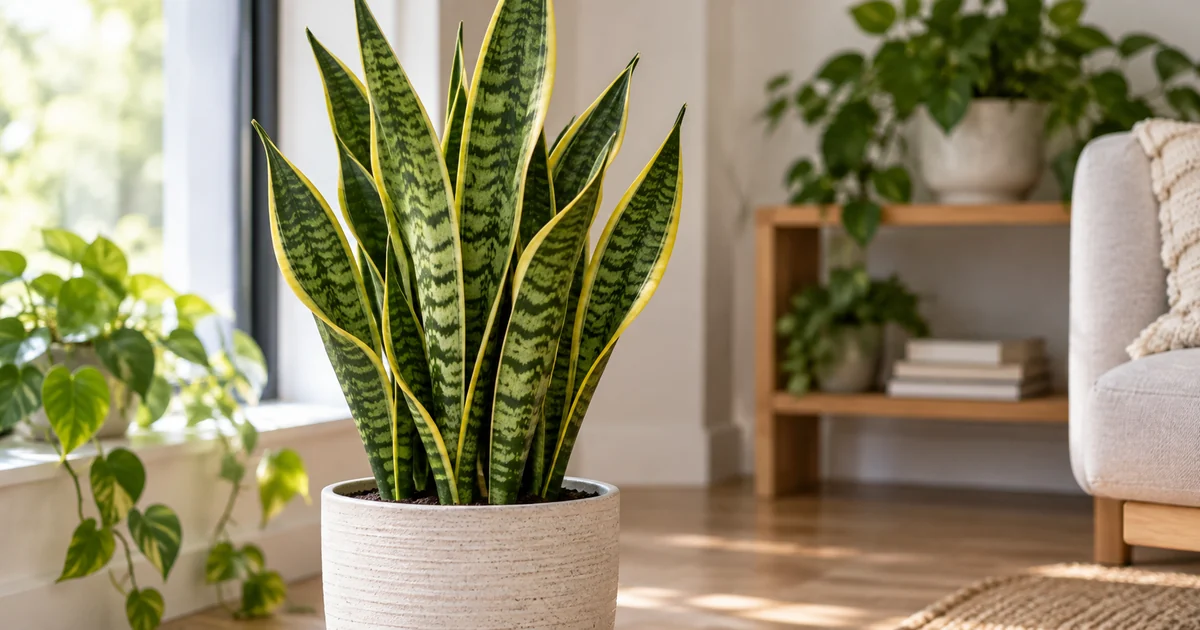
Snake plants are popular houseplants because they are low-maintenance, drought-tolerant, and adaptable to different indoor environments. However, like any houseplant, snake plants can sometimes attract bugs and pests that damage their leaves and roots.
If you have noticed tiny insects, sticky residue, white spots, or damaged leaves on your snake plant, you may be dealing with a pest infestation. Fortunately, most snake plant pests can be controlled with a few simple steps.
In this guide, you'll learn how to get rid of bugs in snake plants, identify common pests, and prevent them from coming back.
What Bugs Commonly Affect Snake Plants?
Before treating your snake plant, it's important to identify the pest. Common snake plant bugs include:
- Mealybugs
- Spider mites
- Fungus gnats
- Scale insects
- Aphids
- Thrips
Different pests require slightly different treatments, so identifying the problem can make your pest-control efforts more effective.
How to Get Rid of Bugs in Snake Plant
1. Isolate the Snake Plant
If you notice bugs on your snake plant, move it away from your other houseplants immediately.
Many indoor plant pests can spread from one plant to another. Keeping the affected snake plant isolated can help prevent an infestation from spreading while you treat it.
Keep the plant separated until you are confident that the pests are gone.
2. Inspect the Leaves and Soil
Carefully inspect both the upper and lower surfaces of the leaves. Also check around the base of the plant and the soil.
Look for:
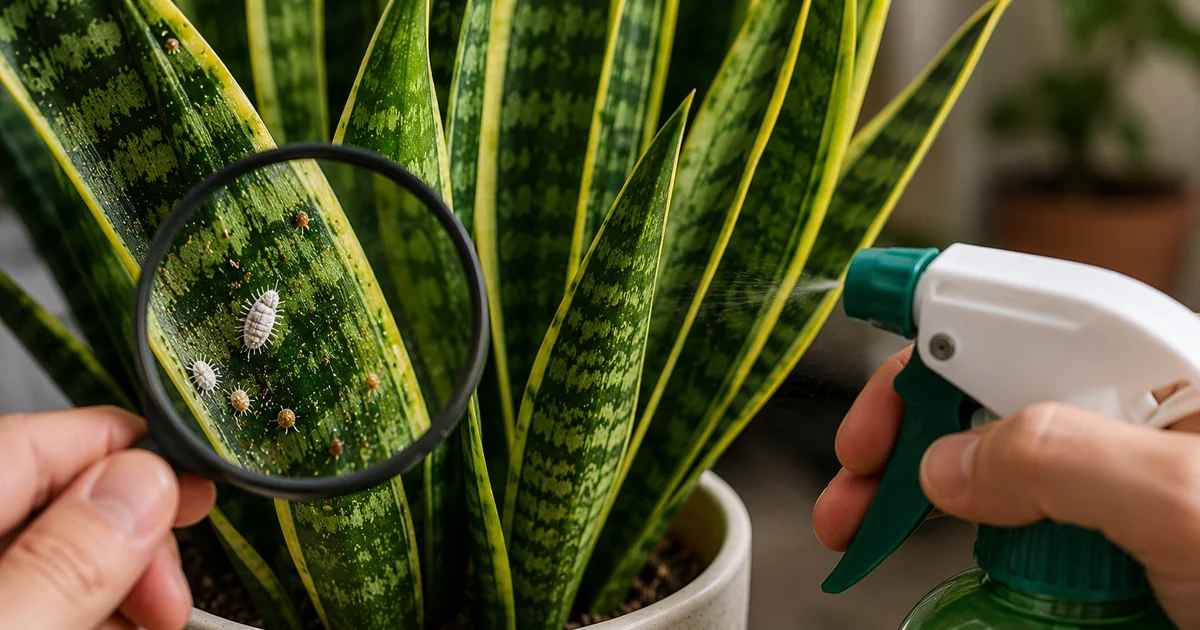
- Tiny crawling or flying insects
- White cotton-like patches
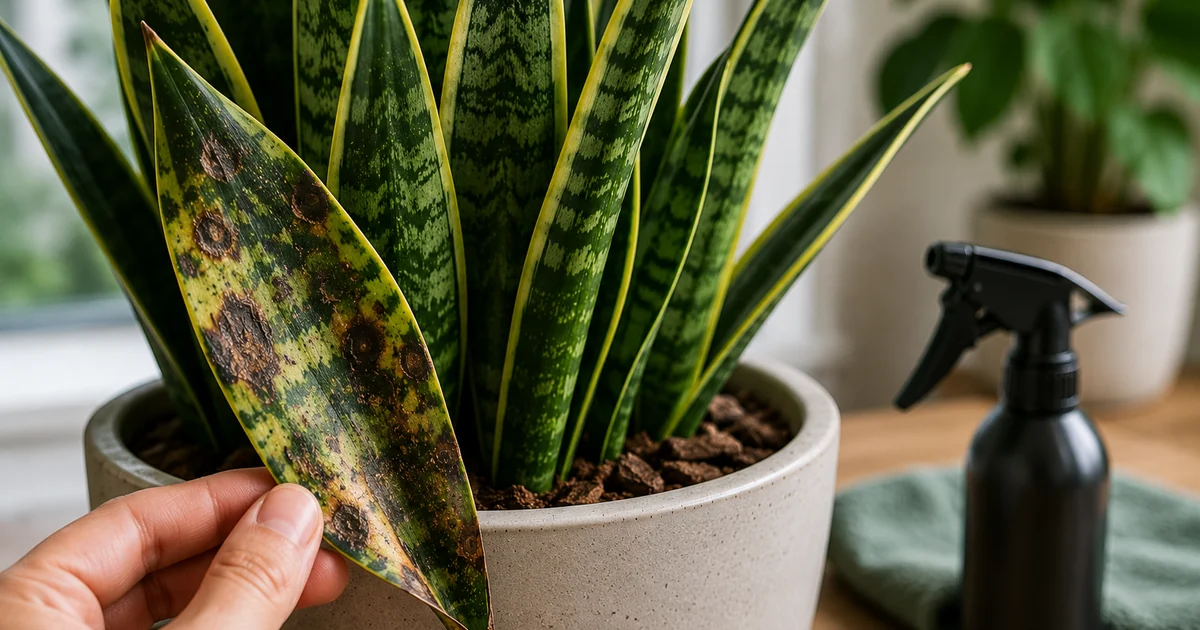
- Brown or black spots
- Fine webbing
- Sticky leaves
- Yellowing or curling leaves
- Insects around the soil
Checking the soil is especially important if you notice small flies, as these may be fungus gnats.
3. Remove Visible Bugs
For a small infestation, physically removing the insects can be one of the easiest solutions.
Use a cotton swab dipped in rubbing alcohol to gently remove mealybugs or scale insects from affected areas. Be careful not to saturate the leaves with alcohol, as excessive application can damage plant tissue.
You can also gently wipe the leaves with a clean, damp cloth to remove pests and their residue.
4. Use Insecticidal Soap
Insecticidal soap can help control several common soft-bodied pests, including aphids, mealybugs, and spider mites.
Follow the product's instructions carefully and apply it to the affected areas. Before treating the entire plant, test the product on a small section of a leaf to make sure it does not cause damage.
Repeated treatments may be necessary because some pests can survive the first application.
5. Consider Neem Oil
Neem oil is another commonly used treatment for houseplant pests. It can help manage certain insects and mites when used correctly.
Always follow the label instructions and avoid applying products excessively. Test a small area first, particularly if your snake plant receives strong sunlight.
Neem oil should be considered part of an overall pest-management routine rather than a one-time solution.
6. Treat Fungus Gnats at the Source
If tiny black flies are flying around your snake plant, fungus gnats may be the problem.
Fungus gnats are often associated with consistently moist potting soil. Snake plants prefer their soil to dry out between waterings, so allowing the soil to dry appropriately can help make the environment less attractive to these pests.
You can also use yellow sticky traps to catch adult fungus gnats. If the infestation is severe, consider replacing heavily infested soil and cleaning the pot before repotting.
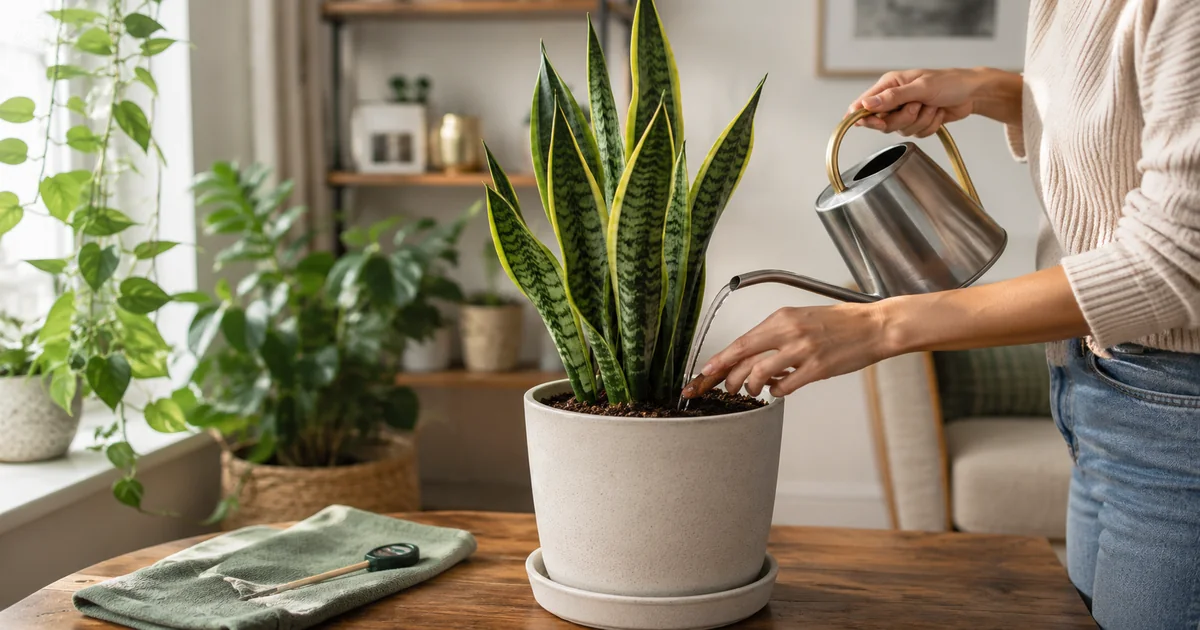
7. Improve Watering Habits
Overwatering is one of the most common problems associated with snake plants.
Snake plants store water in their leaves and generally don't need frequent watering. Allow the soil to dry before watering again, and make sure the pot has adequate drainage.
Avoid allowing the plant to sit in standing water, as consistently wet conditions can contribute to root problems and create an environment favorable to fungus gnats.
8. Prune Severely Damaged Leaves
If certain leaves are heavily infested or damaged, removing them can help reduce the number of pests on the plant.
Use clean, sharp pruning shears and cut damaged leaves near the base. Dispose of the affected plant material rather than adding it to indoor compost.
Don't remove healthy leaves unnecessarily, as snake plants use their foliage to produce energy.
How to Prevent Bugs on Snake Plants
Once you've eliminated the infestation, prevention is important.
Inspect New Plants
Always inspect new houseplants before placing them near your existing plants. Check the leaves, stems, soil surface, and undersides of leaves for insects or eggs.
Quarantining new plants for a short period can also help prevent accidentally introducing pests into your indoor plant collection.
Keep Leaves Clean
Dust can accumulate on snake plant leaves and make it more difficult to spot pests early.
Gently wiping the leaves with a clean, damp cloth can help keep the foliage clean and make it easier to notice signs of infestation.
Avoid Overwatering
Proper watering is one of the most important aspects of snake plant care. Don't water according to a fixed schedule if the soil is still moist.
Instead, check the soil and water only when the plant needs it.
Provide Appropriate Airflow
Good airflow around your houseplants can help create a healthier growing environment. Avoid placing plants so close together that air cannot circulate around them.
Frequently Asked Questions
What is the fastest way to get rid of bugs on a snake plant?
For a small infestation, isolate the plant and manually remove visible pests. Depending on the type of insect, insecticidal soap or another appropriate houseplant pest treatment may also help.
Why does my snake plant keep getting bugs?
Repeated infestations can be associated with infected plants nearby, overwatering, poor plant hygiene, or bringing pests into your home on new plants.
Can I use dish soap to get rid of bugs on my snake plant?
Some homemade soap solutions can damage plant leaves, especially when the concentration is too strong. A properly formulated insecticidal soap designed for plants is generally a safer option.
Should I throw away a snake plant with bugs?
Not necessarily. Most common snake plant pest infestations can be treated, especially when detected early. Isolate the plant and identify the pest before deciding whether it needs to be discarded.
How often should I check my snake plant for bugs?
A quick inspection every week or two can help you detect pests early. Pay particular attention to the undersides of leaves, leaf joints, and the soil surface.
Final Thoughts
Learning how to get rid of bugs in snake plants starts with identifying the pest and understanding what is causing the infestation. Isolate the affected plant, remove visible insects, use an appropriate treatment, and correct environmental issues such as overwatering.
With regular inspections and proper snake plant care, you can keep your plant healthy and reduce the chances of pests returning.