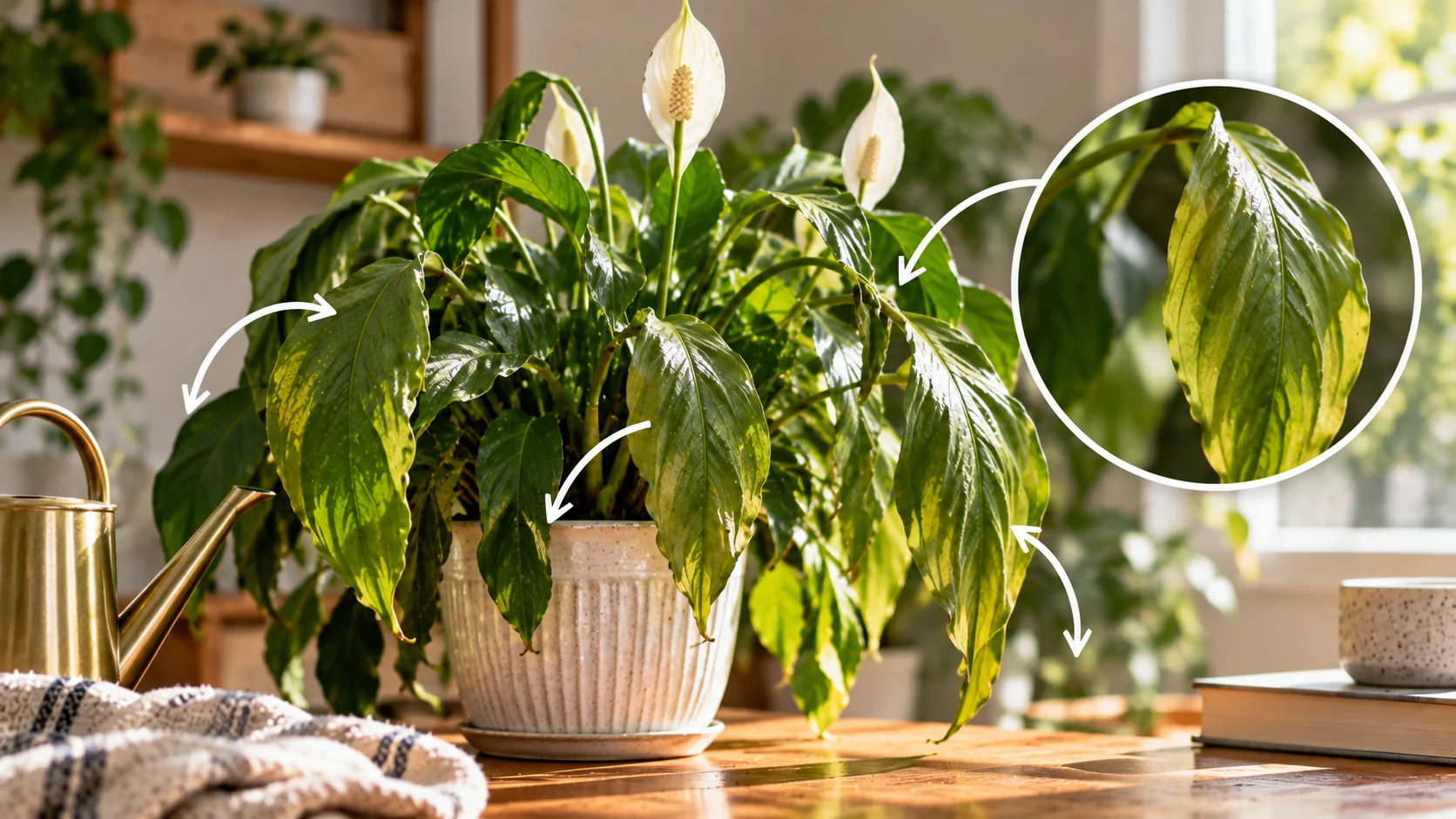
If you’re wondering why is my peace lily drooping, don't panic. Peace lilies are known for dramatically drooping their leaves when something is wrong. Sometimes the problem is simply a dry root ball and the plant can recover quickly after watering. Other times, drooping can be caused by overwatering, root rot, poor drainage, low humidity, temperature stress, pests, or an unsuitable growing environment.
The important thing is to check the soil before watering again. A peace lily with dry soil needs water, while a drooping plant sitting in constantly wet soil may have a completely different problem.
This guide explains the most common reasons for peace lily drooping, how to identify the cause, and what you can do to help your plant recover.
Why Is My Peace Lily Drooping?
The most common reason a peace lily droops is underwatering. When the potting mix becomes too dry, the leaves lose the water pressure that keeps them upright.
However, watering isn't always the answer.
If my peace lily is drooping while the soil is already wet, overwatering, poor drainage, or root rot may be responsible. Other causes include low or excessive light, dry air, cold drafts, compacted soil, a rootbound pot, fertilizer problems, pests, and transplant shock.
Peace lilies naturally prefer bright, indirect light, evenly moist but well-draining soil, moderate humidity, and stable temperatures.
1. Underwatering
Underwatering is one of the first things to check when you notice peace lily drooping.
Peace lilies can wilt dramatically when their soil becomes too dry. Their large leaves lose turgor pressure, causing the stems and foliage to collapse.
Signs of an underwatered peace lily
Look for:
- Dry potting soil
- A very lightweight pot
- Drooping leaves and stems
- Curling foliage
- Brown or crispy leaf edges
- Soil pulling away from the sides of the pot
How to fix it
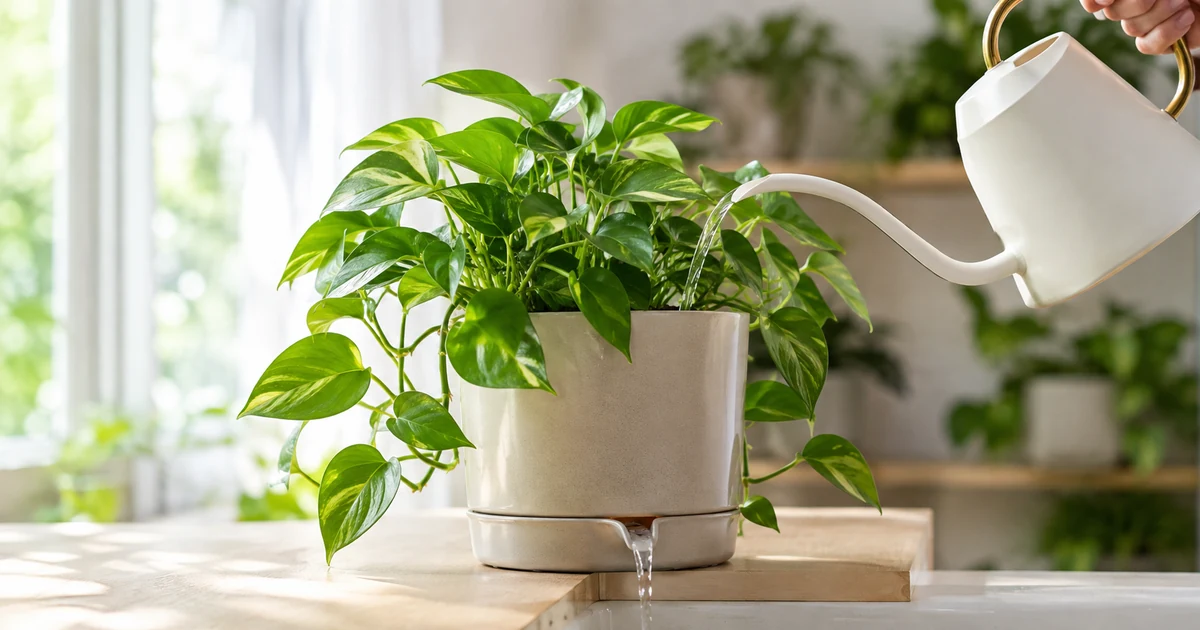
If the soil is dry, water the plant thoroughly until excess water flows from the drainage holes.
Don't give it just a few drops. A thoroughly dry root ball needs to be rehydrated.
After watering, allow excess water to drain completely and don't leave the pot sitting in a saucer of water.
A thirsty peace lily may begin recovering within a few hours, although severely wilted plants can take longer.
2. Overwatering
Surprisingly, overwatering can also cause a peace lily to droop.
When soil stays saturated for too long, roots don't receive enough oxygen. Prolonged wet conditions can weaken or damage the root system, preventing it from supplying water effectively to the leaves.
This creates a confusing situation: the plant is surrounded by water but still looks thirsty.
Signs of an overwatered peace lily
- Drooping leaves while the soil is wet
- Heavy, waterlogged pot
- Yellowing leaves
- Slow growth
- Soft stems
- Musty-smelling soil
- Roots becoming brown or mushy
If your peace lily is drooping and the soil has remained wet for several days, don't automatically add more water.
Let the soil dry appropriately and investigate the drainage and roots.
3. Root Rot
Persistent overwatering can eventually lead to root rot, which is one of the more serious causes of drooping.
Healthy roots absorb water and nutrients and transport them throughout the plant. When roots become rotten, they can no longer function properly.
How to identify root rot
Remove the plant carefully from its container and examine the roots.
Healthy roots should be firm. Rotten roots may be:
- Brown or black
- Soft and mushy
- Slimy
- Easily broken apart
- Associated with a sour or rotten smell
How to fix root rot
If root rot is present:
- Remove the plant from the pot.
- Gently remove wet soil from the roots.
- Cut away severely damaged roots with clean scissors.
- Repot the healthy roots in fresh, well-draining soil.
- Use a container with drainage holes.
- Avoid keeping the new soil constantly saturated.
Don't simply continue watering a drooping peace lily because it looks thirsty. If the roots are damaged, additional water can make the problem worse.
4. Poor Drainage
Sometimes the problem isn't how much you're watering—it's where the water goes.
A pot without drainage holes can trap excess moisture around the roots. A dense potting mix can create the same problem by holding water for too long.
Check your pot
Your peace lily should ideally be in a container that has drainage holes.
If you're using a decorative cachepot, make sure water isn't collecting underneath the nursery pot.
After watering, allow excess water to drain before returning the plant to its decorative container.
5. Compacted Potting Soil
Old or compacted soil can prevent proper movement of both water and air.
You may notice water sitting on top of the soil instead of soaking through evenly. In other cases, water may run down the sides of the pot while the center of the root ball remains dry.
A compacted growing medium can therefore cause both overwatering and underwatering symptoms.
If the soil has become dense and difficult to rehydrate, consider repotting into a fresh, airy houseplant mix containing materials such as perlite or fine bark.
6. Your Peace Lily Is Rootbound
A peace lily that has outgrown its container may begin drooping repeatedly even when you water it correctly.
When roots become tightly packed, there is less usable soil around them to hold moisture.
Signs of a rootbound peace lily
Look for:
- Roots growing from drainage holes
- Roots circling around the inside of the container
- Soil drying unusually quickly
- Water running straight through the pot
- Drooping again shortly after watering
- Little new growth despite adequate care
If the plant is severely rootbound, move it into a container only slightly larger than the existing one rather than jumping to a very large pot.
7. Low Humidity
Peace lilies naturally grow in humid environments, so very dry indoor air can contribute to stressed or limp foliage.
Low humidity is especially common when indoor heating or air conditioning is running frequently.
Signs of low humidity
You may notice:
- Brown leaf tips
- Dry leaf edges
- Limp foliage
- Crispy leaves
- Faster moisture loss
A humidifier can help increase ambient humidity. Grouping compatible plants together may also create a slightly more humid microenvironment.
However, humidity alone usually won't fix a peace lily that is suffering from severe underwatering or root problems.
8. Too Much Direct Sunlight
Peace lilies prefer bright, indirect light rather than intense direct sunlight.
Strong sunlight through a window can heat the foliage, increase water loss, and cause leaf scorch.
If your plant is drooping mainly during the hottest part of the day and the leaves also have crispy or bleached areas, check the amount of direct sunlight it receives.
Move it slightly farther from the window or filter strong sunlight with a sheer curtain.
9. Not Enough Light
A peace lily can tolerate relatively low light, but extremely dim conditions aren't ideal.
Low light can result in weak growth and may slow the plant's ability to use water efficiently.
You may notice:
- Weak or floppy growth
- Few flowers
- Slow growth
- Long leaf stems
- Pale foliage
Move the plant to a brighter location with indirect light rather than placing it directly in harsh sunlight.
10. Temperature Stress and Drafts
Sudden temperature changes can make a peace lily droop.
Avoid placing your plant directly beside:
- Air-conditioning vents
- Heaters
- Cold windows
- Exterior doors
- Drafty areas
Peace lilies generally perform best in warm, stable indoor conditions. Gardenia recommends approximately 65–80°F (18–27°C) and advises avoiding cold drafts and strong HVAC airflow.
If your plant began drooping shortly after being moved next to an air conditioner or drafty window, its location may be contributing to the problem.
11. Water Quality
The type of water you use can sometimes affect long-term peace lily health.
Hard water or water with a high mineral content can leave mineral deposits in the soil. Salt buildup may contribute to brown leaf tips and general plant stress.
If you notice a white crust on the soil surface or around the pot, mineral accumulation may be worth investigating.
Depending on your water quality, filtered, distilled, or rainwater may be preferable.
12. Fertilizer Problems
Both too much and too little fertilizer can contribute to poor plant growth.
Excess fertilizer can cause salts to accumulate in the potting mix, potentially damaging roots. This can produce symptoms such as brown leaf tips and stressed foliage.
On the other hand, a severely nutrient-deficient plant may have pale, weak growth.
Don't use extra fertilizer simply because your peace lily is drooping. Check water, roots, soil, and light first.
If you recently applied a large amount of fertilizer and the plant suddenly deteriorated, flush the pot thoroughly with clean water if the container drains freely.
13. Hydrophobic Soil
Sometimes a peace lily remains droopy even after you've watered it because the soil has become hydrophobic.
This happens when very dry potting mix becomes difficult to rehydrate. Water may run around the edges of the root ball and leave the center relatively dry.
Signs of hydrophobic soil
- Water immediately runs down the sides
- Soil pulls away from the pot
- Water passes through unusually quickly
- The plant remains wilted after watering
If this happens, slowly rehydrate the root ball rather than repeatedly pouring large amounts of water over it.
If the soil repeatedly becomes difficult to wet, repotting into a better-quality, well-draining mix may be the long-term solution.
14. Pests or Disease
Pests can also cause a peace lily to become weak and droop.
Inspect the leaves, stems, and undersides of foliage for:
- Mealybugs
- Scale insects
- Spider mites
- Aphids
- Sticky residue
- Fine webbing
- Small insects
- Speckled or damaged leaves
Root-feeding pests can also affect plants growing in consistently moist soil.
If you find an infestation, isolate the plant from your other houseplants and treat the specific pest appropriately.
15. Recent Repotting or Moving
If my peace lily is drooping after repotting, it may simply be responding to environmental or root disturbance.
Repotting can temporarily affect:
- Root contact with soil
- Water uptake
- Light exposure
- Humidity
- Temperature
- Air movement
Moving the plant from one room to another can have a similar effect if the new location has very different light or humidity.
Keep conditions stable and avoid making several major changes at the same time.
How to Tell Why Your Peace Lily Is Drooping
The easiest way to diagnose peace lily drooping is to start with the soil.
| What you see | Possible cause | What to check |
|---|---|---|
| Leaves droop + soil is very dry | Underwatering | Water thoroughly |
| Leaves droop + soil is soaking wet | Overwatering | Drainage and roots |
| Drooping + mushy roots | Root rot | Remove damaged roots |
| Drooping + soil dries extremely fast | Rootbound plant | Check roots and pot |
| Drooping + crispy leaf edges | Dry air or underwatering | Humidity and soil |
| Drooping near hot window | Excessive light/heat | Move to indirect light |
| Drooping near AC or draft | Temperature stress | Relocate plant |
| Drooping + pests visible | Pest infestation | Inspect and treat |
| Drooping after repotting | Transplant stress | Stabilize conditions |
| Only flower stalk droops | Natural flower aging | Remove spent bloom |
The key is to look for multiple symptoms together, rather than diagnosing the plant from drooping alone.
How to Revive a Drooping Peace Lily
If you're trying to revive your plant, follow this simple process.
Step 1: Check the soil
Feel the top layer of soil.
If it's dry, the plant may need water.
If it's wet, don't water again until you've determined why the soil is staying wet.
Step 2: Check drainage
Make sure the container has drainage holes and that excess water can escape.
Step 3: Water correctly
If the soil is genuinely dry, water thoroughly until excess water drains from the bottom.
Step 4: Check the roots
If the plant is drooping despite wet soil, inspect the roots for signs of rot.
Step 5: Correct the lighting
Give your peace lily bright, indirect light.
Step 6: Stabilize the environment
Keep it away from extreme temperatures, heating vents, air conditioners, and cold drafts.
Step 7: Check for pests
Inspect the leaves, stems, and soil carefully.
Step 8: Give it time
Don't make several drastic changes at once. Once the underlying problem is corrected, allow the plant time to recover.
How Often Should You Water a Peace Lily?
There is no universal watering schedule because indoor conditions vary.
A peace lily in bright indirect light may dry out faster than one in a dim room. Pot size, soil type, temperature, humidity, and season also affect how quickly the soil dries.
A better approach is to check the soil before watering.
Gardenia's current watering guidance recommends checking the top inch of the potting mix and watering thoroughly when it has dried, while emphasizing that frequency varies with growing conditions.
Avoid watering on a fixed schedule if the soil is still wet.
Why Does My Peace Lily Droop After Watering?
If your peace lily droops shortly after watering, don't immediately give it more water.
The problem may be:
- Waterlogged roots
- Poor drainage
- Root rot
- Compacted soil
- A rootbound plant
- Water that isn't reaching the root ball evenly
Check the soil and roots first.
A healthy, thirsty peace lily should generally respond to thorough watering. If the soil is already saturated and the plant remains limp, investigate the root system instead.
Why Is My Peace Lily Drooping But the Soil Is Wet?
This is one of the most important situations to understand.
If the soil is wet but the plant is drooping, more water is not necessarily the solution.
Check for:
- Poor drainage
- Overwatering
- Compacted soil
- Root rot
- A pot that is too large
- Standing water inside a decorative container
Damaged roots may be unable to transport water effectively even when plenty of moisture is present around them.
Why Is My Peace Lily Drooping After Repotting?
Temporary drooping after repotting can occur because the roots have been disturbed.
It can also happen if the new pot is much larger than the previous one and holds significantly more moisture.
After repotting:
- Keep the plant in stable conditions.
- Provide bright, indirect light.
- Don't overwater.
- Avoid fertilizing immediately.
- Monitor the soil carefully.
- Give the roots time to settle.
If the plant continues declining rather than gradually stabilizing, inspect the roots and drainage.
Can a Completely Drooping Peace Lily Recover?
In many cases, yes.
Peace lilies can recover remarkably well from temporary underwatering because drooping is one of their most noticeable responses to low moisture.
However, recovery depends on the condition of the roots.
A plant that is simply thirsty can often recover after proper watering. A plant with severe root rot, extensive pest damage, or prolonged environmental stress may require more extensive treatment.
Frequently Asked Questions
Why is my peace lily drooping?
The most common causes are underwatering and overwatering, but drooping can also result from root rot, poor drainage, low humidity, temperature stress, light problems, rootbound conditions, pests, fertilizer issues, or recent repotting.
My peace lily is drooping but the soil is dry. What should I do?
Water it thoroughly until water drains from the bottom of the pot. Then allow excess water to drain completely. If the soil has become hydrophobic, you may need to rehydrate it gradually.
My peace lily is drooping but the soil is wet. Should I water it?
No. First check the drainage and roots. Wet soil combined with drooping can indicate overwatering, poor drainage, or root rot.
How quickly does a drooping peace lily recover after watering?
A thirsty peace lily can begin to perk up within a few hours after thorough watering, although severely dehydrated plants may take longer.
Does a peace lily need direct sunlight?
No. Peace lilies generally prefer bright, indirect light. Strong direct sunlight can cause heat stress and leaf damage.
Can low humidity make a peace lily droop?
Yes. Very dry indoor air can contribute to limp foliage and brown leaf edges, particularly when combined with other environmental stress.
Why does my peace lily keep drooping every few days?
Repeated drooping can indicate that the plant is drying out too quickly, is rootbound, receives excessive light or heat, or has a watering problem. Check the root system and how quickly the soil dries rather than simply watering more frequently.
Should I cut off drooping peace lily leaves?
You don't necessarily need to remove healthy green leaves simply because they are drooping. Correct the underlying cause first. Completely yellow, brown, or damaged leaves can be removed with clean scissors.
Final Thoughts
If you're asking “why is my peace lily drooping?”, start with one simple question:
Is the soil dry or wet?
Dry soil points toward underwatering, while wet soil shifts your attention toward overwatering, drainage, and root health.
From there, check the light, humidity, temperature, pot size, soil condition, pests, and recent changes to the plant's environment.
Peace lily drooping can look dramatic, but it is often the plant's way of telling you that something in its growing conditions needs attention. Once you identify the actual cause rather than simply adding more water, your peace lily has a much better chance of returning to healthy, upright growth.