
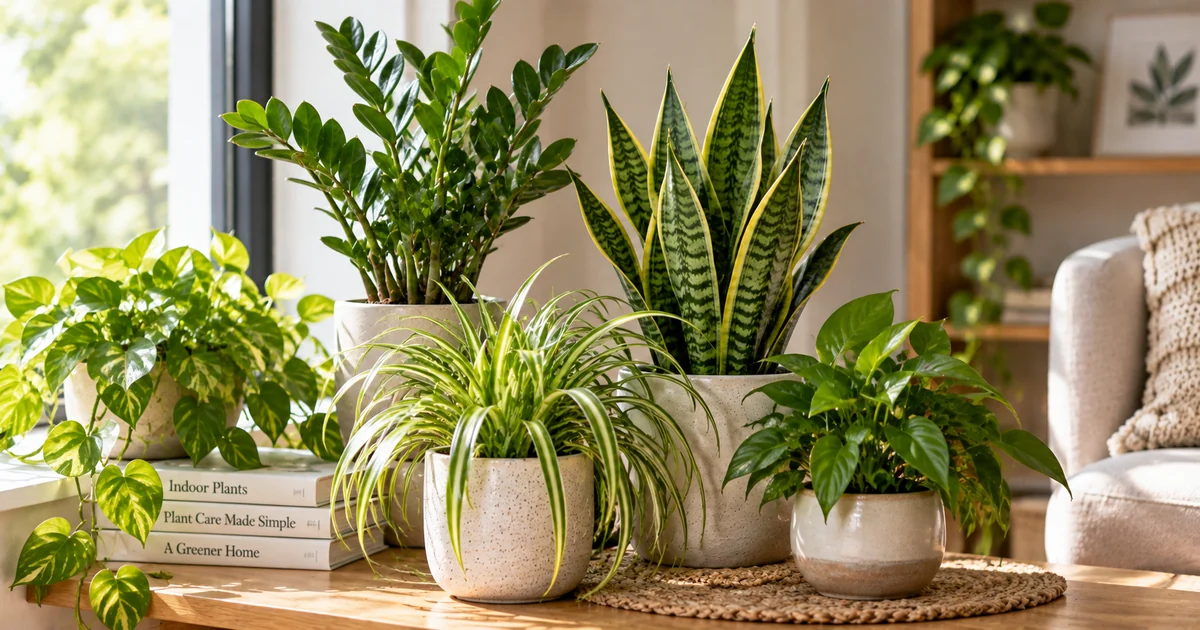
If you have ever bought a houseplant, you have probably seen the words “tolerates low light.” That label is often misunderstood as permission to place the plant in a dark corner. In reality, every plant needs usable light to photosynthesize.
What does low light mean?
For indoor plants, low light describes a place that receives limited, indirect light rather than direct sun. The space still looks naturally illuminated during the day, but it may be far from a window, beside a shaded window, or in a room with a northern exposure.
Low light is enough daylight for a shade-tolerant plant to maintain itself, but usually not enough for fast growth or abundant flowering.
How to identify a low-light area
Distance alone is not a reliable measurement because window size, direction, outdoor obstructions, season, and latitude all change the amount of light indoors. Use the room itself as your first clue.
- The area receives no strong beam of direct sunlight.
- You can comfortably see and read there during the day without switching on a lamp.
- Objects cast only soft, faint shadows.
- The plant is several feet from a brighter window or close to a shaded window.
If the room is difficult to navigate without electric light during daytime, it is probably too dark for long-term plant growth. A suitable grow light is the better solution.
Low light vs. bright indirect light
Slower and softer
- Faint or no defined shadow
- Slower soil drying
- Less active growth
- Best for tolerant foliage plants
Brighter, without harsh sun
- Clear but soft shadow
- Faster soil drying
- Stronger, steadier growth
- Suitable for more plant varieties
Plants that tolerate lower light
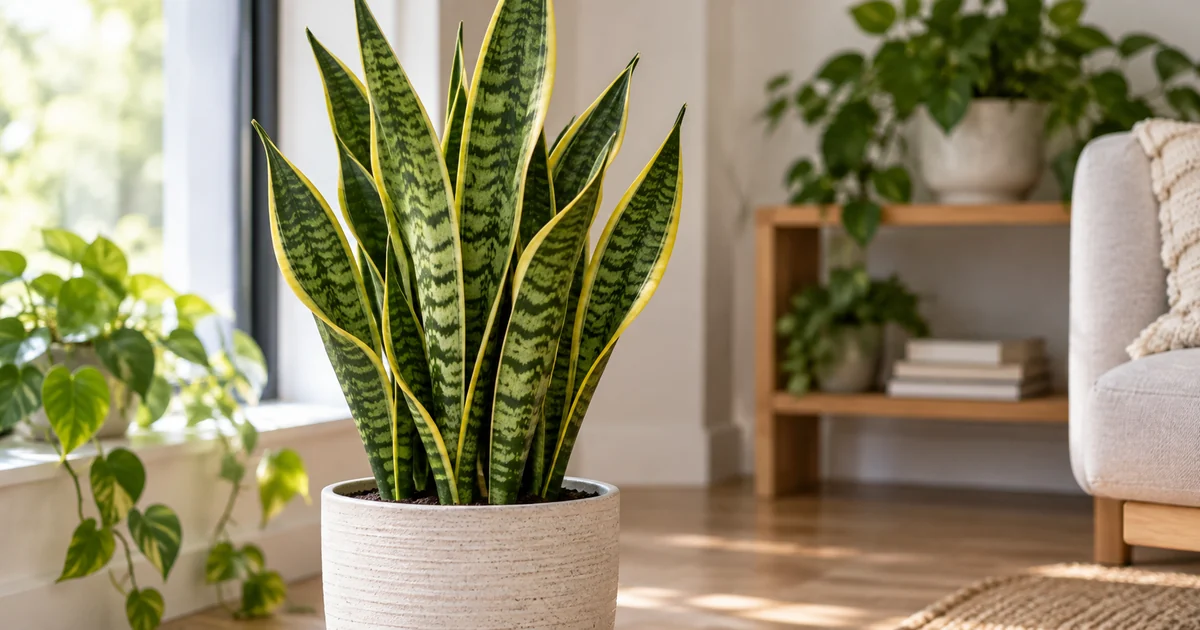
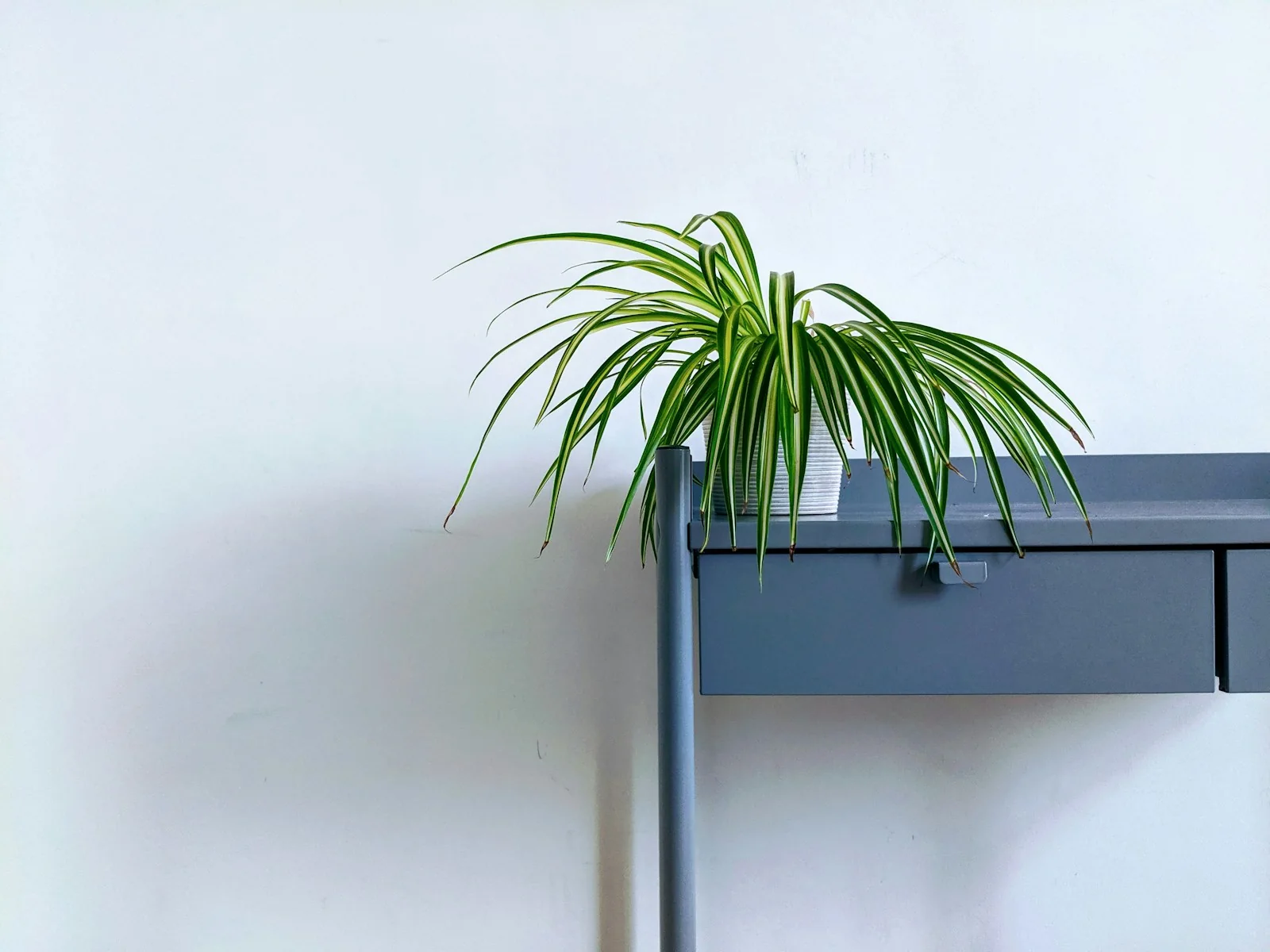
Several foliage plants can adapt to lower light better than sun-loving or flowering plants. Tolerance does not mean preference: many will grow faster and more densely in brighter indirect light.
Pet note: several commonly recommended low-light plants are toxic if eaten. Check a trusted veterinary toxicity resource before bringing a plant into a home with pets.
How to care for plants in low light
Water less often
Lower light slows photosynthesis and water use. Check the potting mix rather than following a fixed calendar, and empty standing water from saucers.
Watch for decline
Very slow growth, leaning, loss of variegation, small new leaves, or stretched stems can indicate that the plant needs more light.
Keep leaves clean
Gently wipe broad leaves so dust does not further reduce the limited light reaching the plant.
Fertilize conservatively
Do not try to replace missing light with fertilizer. Feed only during active growth and follow the product instructions.
COMMON QUESTIONS
Frequently asked questions
Can plants survive in a windowless room?
Not indefinitely without an appropriate artificial light source. Ordinary room lighting is designed for people, not plant growth. Use a grow light that suits the plant and the space.
How far from a window counts as low light?
There is no universal distance. A position six feet from one large, unobstructed window may be brighter than a position two feet from a small, shaded window. Observe shadow strength or use a light meter for a more useful answer.
Do low-light plants still need sunlight?
They need light, but it can be indirect natural light or suitable artificial light. “Low-light plant” means the plant tolerates less light than many other species—not that it can live in darkness.
Should I water less in low light?
Usually, yes. Potting mix tends to dry more slowly when a plant receives less light, so check the soil before watering and adjust for the individual plant and season.
Related Plant Guides
Match the plant to the light you actually have.
A lower-light room can still support healthy greenery. Choose tolerant plants, watch how they respond, and remember that less light usually means slower growth and less frequent watering.
Explore more plant guides