Indoor plants do more than beautify a space—they can create a calming environment and bring a touch of nature into your home. For plant enthusiasts, caring for houseplants is both a hobby and a rewarding journey.
Whether you have a collection of tropical plants, succulents, or rare specimens, understanding advanced plant care techniques can help your indoor garden flourish. This guide covers essential indoor plant care tips to keep your plants healthy, vibrant, and growing throughout the year.
1. Understand Your Plant's Natural Habitat
One of the most effective ways to care for houseplants is to learn where they originate.
Plants adapted to tropical rainforests, deserts, or mountain regions have different requirements for:
- Light
- Water
- Humidity
- Temperature
- Soil composition
For example:
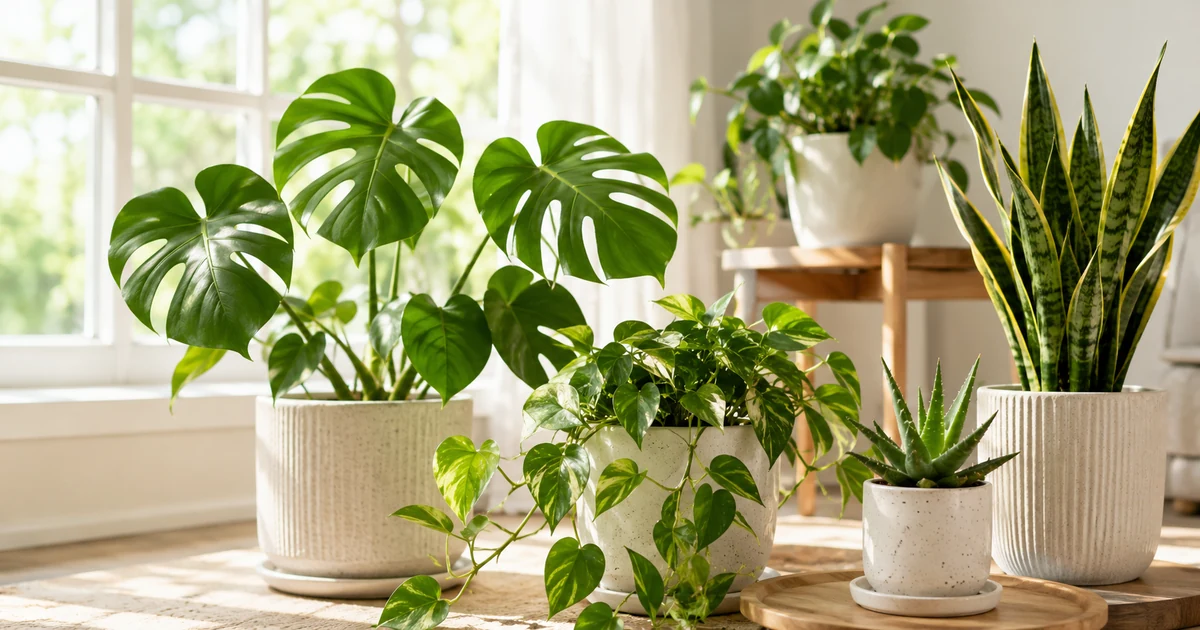
- Monstera and Philodendron thrive in warm, humid environments.
- Succulents and cacti prefer dry conditions and bright sunlight.
- Ferns enjoy high humidity and indirect light.
Understanding a plant's natural environment makes it easier to recreate suitable indoor conditions.
2. Master the Art of Proper Watering
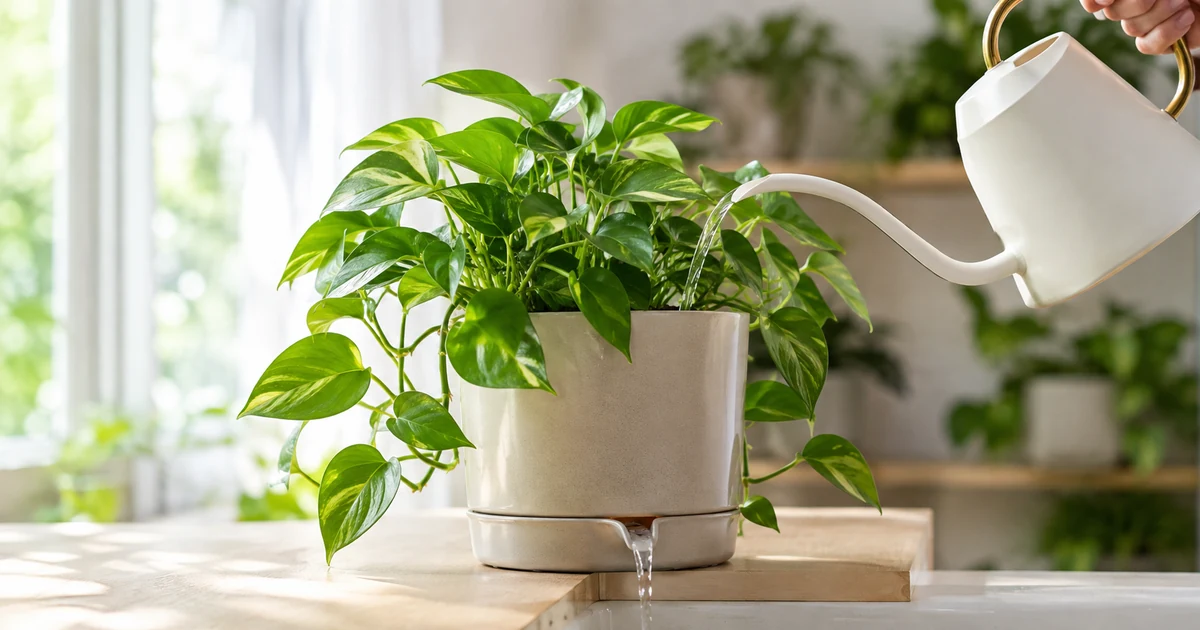
Overwatering remains one of the most common reasons indoor plants decline.
Instead of watering on a fixed schedule:
- Check soil moisture regularly.
- Water thoroughly when needed.
- Allow excess water to drain completely.
- Adjust watering frequency based on season and plant type.
A moisture meter can be particularly useful for enthusiasts managing large collections.
Pro Tip
Different plants may require different watering schedules even when placed in the same room.
3. Provide the Right Amount of Light
Light is the fuel that drives plant growth.
Observe how natural light moves through your home and position plants accordingly.
Bright Direct Light
Ideal for:
- Cacti
- Succulents
- Aloe Vera
Bright Indirect Light
Ideal for:
- Monstera
- Pothos
- Philodendron
- Peace Lily
Low Light
Suitable for:
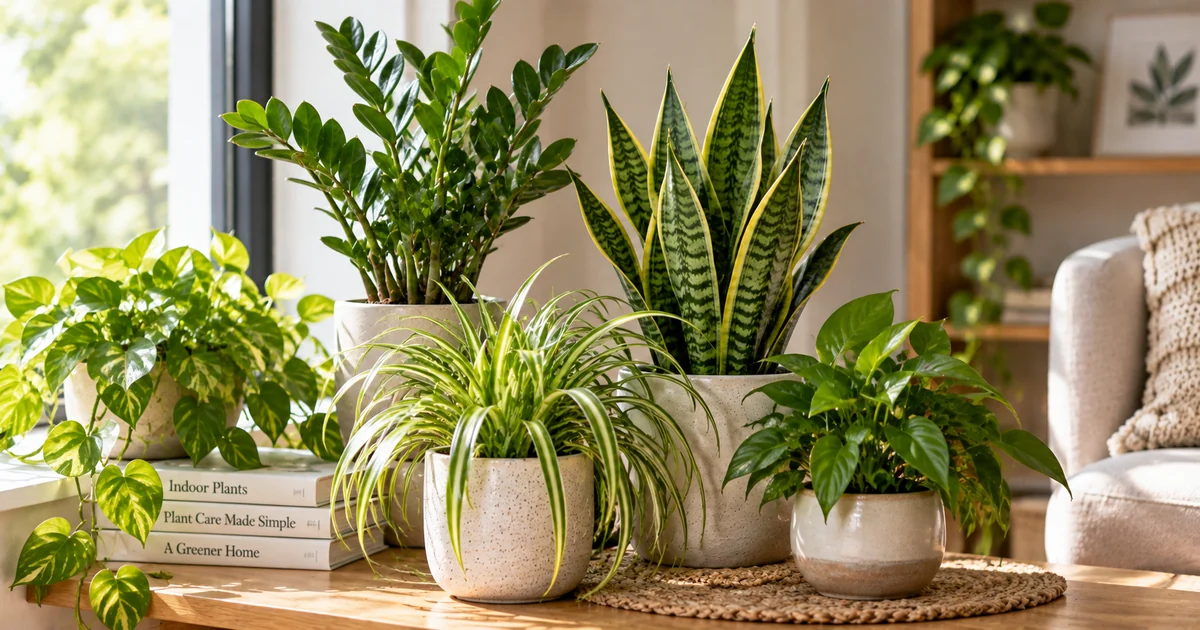
- Snake Plant
- ZZ Plant
- Cast Iron Plant
If natural light is limited, consider using quality grow lights to supplement plant needs.
4. Increase Humidity for Tropical Plants
Many popular houseplants originate from humid tropical regions.
Signs of insufficient humidity include:
- Brown leaf edges
- Curling leaves
- Slow growth
Ways to increase humidity:
- Use a humidifier
- Group plants together
- Place water trays nearby
- Keep plants away from heating vents
Tropical species generally thrive when humidity levels remain between 50% and 70%.
5. Feed Plants During Active Growth
Houseplants require nutrients to maintain healthy growth.
During spring and summer:
- Apply balanced fertilizer according to product instructions.
- Reduce feeding during fall and winter.
- Avoid over-fertilizing, which can damage roots.
Signs of nutrient deficiency may include pale leaves, weak growth, and smaller foliage.
6. Choose the Right Potting Mix
Different plants need different soil structures.
Examples include:
Tropical Plants
Prefer:
- Well-draining
- Organic-rich mixes
Succulents and Cacti
Need:
- Fast-draining soil
- Increased sand or perlite content
Orchids
Require:
- Specialized bark-based mixes
The right soil improves root health and reduces watering issues.
7. Repot Before Plants Become Root Bound
As plants grow, their roots eventually outgrow their containers.
Signs it's time to repot:
- Roots emerging from drainage holes
- Water draining too quickly
- Stunted growth
- Soil drying rapidly
Most houseplants benefit from repotting every 1–3 years.
Choose a pot only slightly larger than the current one to prevent excessive moisture retention.
8. Rotate Plants for Even Growth
Plants naturally grow toward light sources.
Rotating pots every few weeks helps:
- Promote symmetrical growth
- Prevent leaning
- Encourage balanced foliage development
This simple habit can dramatically improve plant appearance.
9. Keep Leaves Clean
Dust accumulation can reduce a plant's ability to absorb sunlight.
Regularly:
- Wipe leaves with a damp cloth
- Remove dead foliage
- Inspect stems and undersides of leaves
Clean leaves support better photosynthesis and allow early detection of pests.
10. Monitor for Pests Regularly
Even healthy indoor plants can occasionally attract pests.
Common houseplant pests include:
- Spider mites
- Mealybugs
- Fungus gnats
- Scale insects
- Aphids
Inspect plants weekly and isolate affected plants immediately if problems appear.
Early intervention often prevents widespread infestations.
11. Track Seasonal Changes
Indoor plant care isn't the same year-round.
Spring and Summer
Plants often experience active growth and may require:
- More water
- More nutrients
- Additional pruning
Fall and Winter
Growth slows, meaning plants typically need:
- Less water
- Reduced fertilization
- Stable temperatures
Adjusting care with the seasons can significantly improve long-term plant health.
12. Keep a Plant Care Journal
Serious plant enthusiasts often maintain records of:
- Watering schedules
- Fertilizer applications
- Repotting dates
- Pest treatments
- Growth observations
Tracking plant care helps identify patterns and optimize growing conditions over time.
Final Thoughts
Successful indoor gardening is about observation, consistency, and understanding each plant's individual needs. By providing appropriate light, proper watering, suitable humidity, and regular maintenance, plant enthusiasts can cultivate thriving indoor gardens throughout the year.
Whether you're caring for a single Monstera or managing a growing collection of rare houseplants, these indoor plant care tips will help your plants stay healthy, beautiful, and resilient for years to come.
Frequently Asked Questions
How often should indoor plants be watered?
Most indoor plants should be watered when the top inch of soil feels dry, but requirements vary by species and environment.
What is the best light for indoor plants?
Bright indirect light works well for many common houseplants, though some species prefer direct sunlight or lower light conditions.
How can I increase humidity for indoor plants?
Using a humidifier, grouping plants together, and placing water trays nearby can help increase humidity levels.
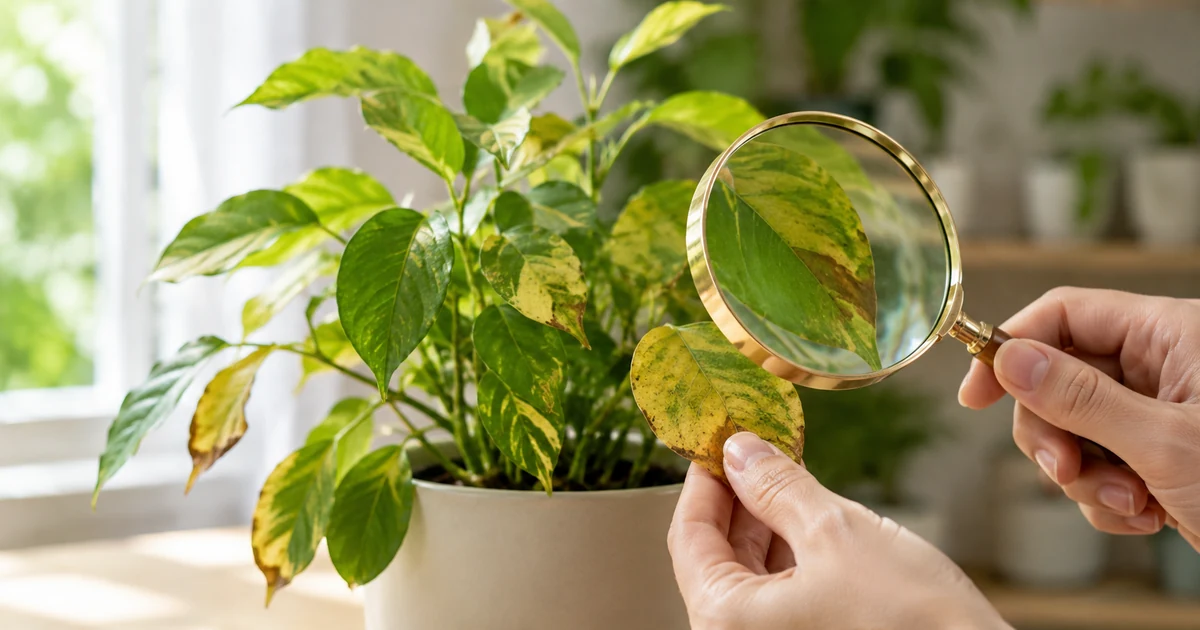
Why are my indoor plant leaves turning yellow?
Yellow leaves may indicate overwatering, poor drainage, nutrient deficiencies, or environmental stress.