Plantiva — Simple Plant Care Guides

Category: Indoor Plants

Beginner-Friendly Plants

What Is Urban Gardening? A Complete Beginner’s Guide to Growing Food in the City

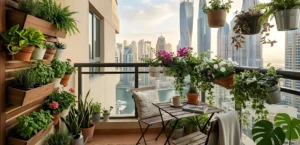
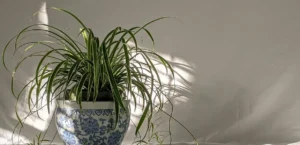
Urban gardening is the practice of growing vegetables, fruits, herbs, flowers, and ornamental plants in cities and densely populated areas where traditional gardening space is limited. Instead of relying on large backyards or farmland, urban gardeners make the most of balconies, rooftops, patios, windowsills, community gardens, and even indoor spaces.
As more people embrace sustainable living and healthier lifestyles, urban gardening has become one of the fastest-growing gardening trends worldwide. Whether you live in an apartment or a small house, you can create a productive garden that provides fresh produce, improves your environment, and enhances your well-being.
Read More »
Beginner-Friendly Plants

What Zone Am I in for Gardening? A Complete Guide to Finding Your Plant Hardiness Zone

One of the first questions every gardener should ask is, “What zone am I in for gardening?” Knowing your gardening zone helps you choose plants that are most likely to thrive in your local climate.
Whether you’re planting flowers, vegetables, shrubs, or trees, understanding your plant hardiness zone is the foundation of a successful garden.
In this guide, you’ll learn what gardening zones are, how to find yours, and how to use this information to grow healthier plants year-round.

Read More »
Beginner-Friendly Plants

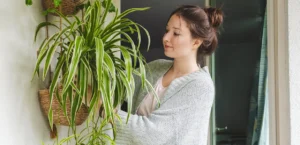
Can Spider Plants Live in Low Light? Everything You Need to Know

Spider plants are among the most popular houseplants thanks to their adaptability, easy care requirements, and attractive arching foliage. One of the most common questions plant owners ask is: Can spider plants live in low light?
The short answer is yes—spider plants can survive in low-light conditions. However, there is a difference between surviving and thriving. Understanding how light affects spider plants can help you keep them healthy, vibrant, and productive.

Read More »
Air-Purifying Plant

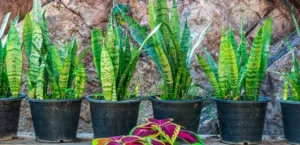
Why is my Snake Plant Flowering? Understanding This Rare and Beautiful Event

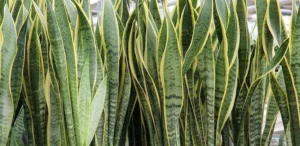
If you’ve recently spotted a tall flower stalk emerging from your snake plant, you may be asking, “Why is my snake plant flowering?” While snake plants are famous for their tough, low-maintenance nature, many plant owners are surprised to learn that these popular houseplants can bloom.
In fact, a flowering snake plant is often a sign that your plant is mature and thriving. In this guide, we’ll explain why snake plants flower, what the blooms look like, and how to care for your plant during this unique stage.

Read More »
Indoor Plants

Why is my Corn Plant Flowering? Understanding this Rare and Fascinating Event

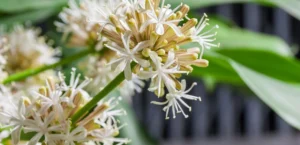
If you’ve noticed your corn plant producing flowers, you may be wondering, “Why is my corn plant flowering?” For many plant owners, this can come as a surprise because corn plants are primarily grown for their attractive foliage rather than their blooms. However, flowering is a natural part of a mature corn plant’s life cycle and is often a sign that your plant is thriving.
In this guide, we’ll explain why corn plants flower, what the flowers look like, whether flowering is a good sign, and how to care for your plant during this special stage.

Read More »
Indoor Plants

What Is the Tallest Flowering Plant in the World? Discover the Giant Eucalyptus Regnans

Nature is home to some truly remarkable plants, from tiny wildflowers to towering trees that seem to touch the sky. But have you ever wondered, what is the tallest flowering plant in the world? The answer is Eucalyptus regnans, commonly known as the Mountain Ash tree.
Reaching heights of over 100 meters (328 feet), this incredible species holds the title of the tallest flowering plant on Earth. In this article, we’ll explore what makes Eucalyptus regnans so unique, where it grows, and why it remains one of the world’s most impressive botanical wonders.

Read More »
Indoor Plants

Is a Kalanchoe Plant Indoor or Outdoor? A Complete Growing Guide

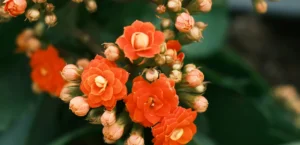
If you’ve recently purchased a beautiful Kalanchoe plant or received one as a gift, you may be wondering: Is a Kalanchoe plant indoor or outdoor? The answer is both. Kalanchoe is a versatile succulent that can thrive indoors as a houseplant or outdoors in suitable climates. However, its success depends on factors such as temperature, sunlight, and proper care.
In this guide, you’ll learn the best watering practices, common mistakes to avoid, and how to determine exactly when your plants need water.

Read More »
Indoor Plants

How to Water Houseplants: The Complete Guide for Healthy Indoor Plants

Watering seems simple, but it’s one of the most common reasons houseplants struggle. Too much water can lead to root rot, while too little can leave plants dehydrated and unhealthy. Understanding when and how to water your indoor plants is essential for keeping them vibrant and thriving.
In this guide, you’ll learn the best watering practices, common mistakes to avoid, and how to determine exactly when your plants need water.

Read More »
Indoor Plants

How to Care for a Spider Plant: Complete Indoor Care Guide

Spider plants are one of the easiest and most rewarding indoor plants to grow. They are fast-growing, adaptable, and perfect for beginners who want a low-maintenance houseplant that still looks full and decorative.
The spider plant (Chlorophytum comosum) is well known for its long arching leaves and small “baby plantlets” that hang from the mother plant like spiders, which is where it gets its name.

Read More »
Indoor Plants

How to Care for Snake Plant: A Complete Indoor Plant Care Guide

Snake plants are one of the easiest houseplants to grow, making them perfect for beginners and busy plant lovers. Known for their upright green leaves and low-maintenance nature, snake plants can survive in many indoor conditions while still looking stylish and healthy.
The snake plant (Dracaena trifasciata), also called mother-in-law’s tongue, is popular for homes, offices, and apartments because it requires minimal care and adapts well to indoor environments.

Read More »
Scroll to Top