

Plantiva — Simple Plant Care Guides

How to Care for a Spider Plant: Complete Indoor Care Guide

Share

Spider plants are one of the easiest and most rewarding indoor plants to grow. They are fast-growing, adaptable, and perfect for beginners who want a low-maintenance houseplant that still looks full and decorative.

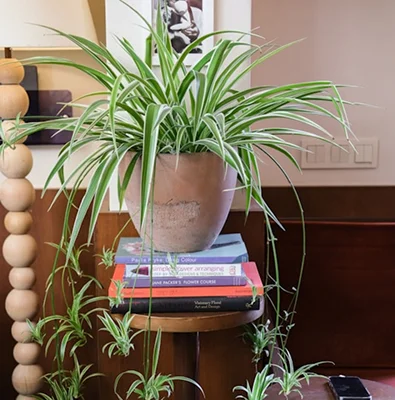
The spider plant (Chlorophytum comosum) is well known for its long arching leaves and small “baby plantlets” that hang from the mother plant like spiders, which is where it gets its name.

Why Spider Plants Are Popular

Spider plants are widely loved because they are:

  • Easy to grow and maintain
  • Fast-growing indoors
  • Safe for pets compared to many other houseplants
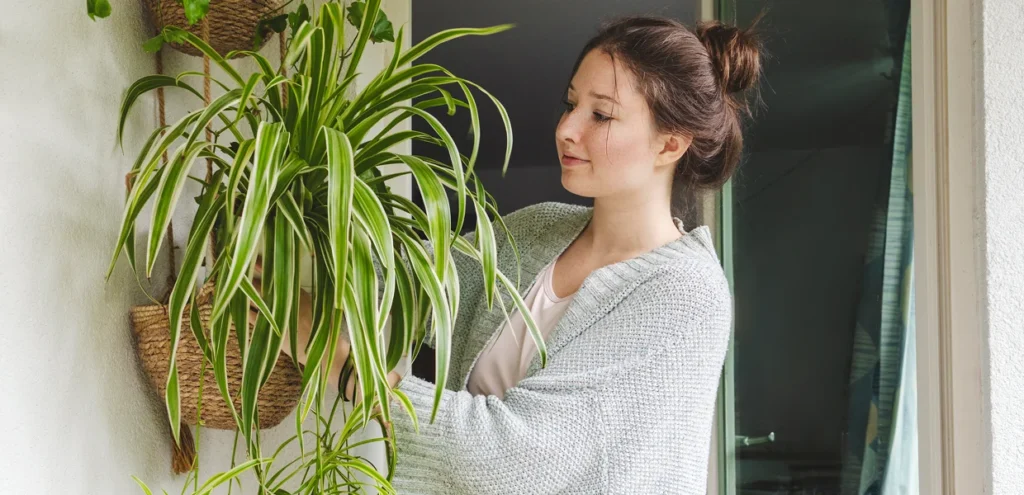
  • Great for hanging baskets
  • Effective air-purifying plants

They are commonly used in homes, offices, and indoor decorative setups.

Best Light Conditions for Spider Plants

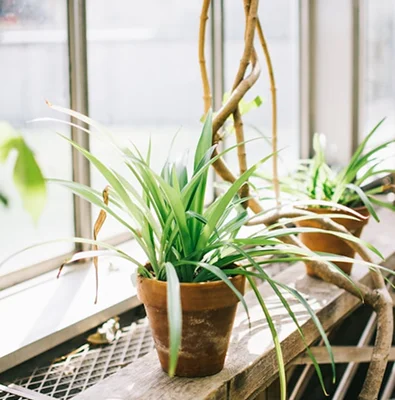
Spider plants grow best in bright, indirect light but are very flexible.

Ideal Lighting

  • Bright indirect sunlight
  • Filtered natural light
  • Moderate indoor light

They can also survive in low light, but growth may slow and variegation (white stripes) may fade.

Avoid Strong Direct Sunlight

Too much direct sun can burn the leaves and cause brown tips or fading color.

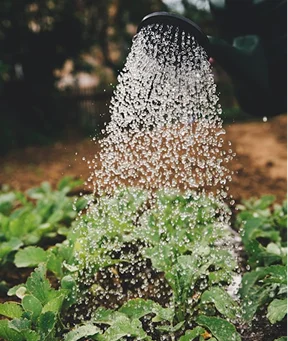
How Often to Water a Spider Plant

Overwatering and underwatering are both common mistakes, so balance is important.

Watering Guidelines

  • Water when the top 1–2 inches of soil feel dry
  • Usually once a week in summer
  • Every 10–14 days in winter
  • Reduce watering in cooler months

Always use a pot with drainage holes to prevent root rot.

Signs of Water Issues

  • Brown leaf tips: often fluoride or inconsistent watering
  • Yellow leaves: usually overwatering
  • Droopy leaves: underwatering or root stress

Best Soil and Pot for Spider Plants

Spider plants prefer soil that drains well but still holds slight moisture.

Recommended Soil

  • Standard indoor potting mix
  • Light, airy soil with good drainage
  • Mix with perlite for better airflow if needed

Best Pot Type

  • Pots with drainage holes
  • Hanging baskets for trailing growth
  • Slightly wider pots as plantlets grow

Temperature and Humidity Needs

Spider plants grow well in normal indoor conditions.

Ideal Temperature

  • 18°C to 27°C (65°F to 80°F)

Humidity

  • Average household humidity is fine
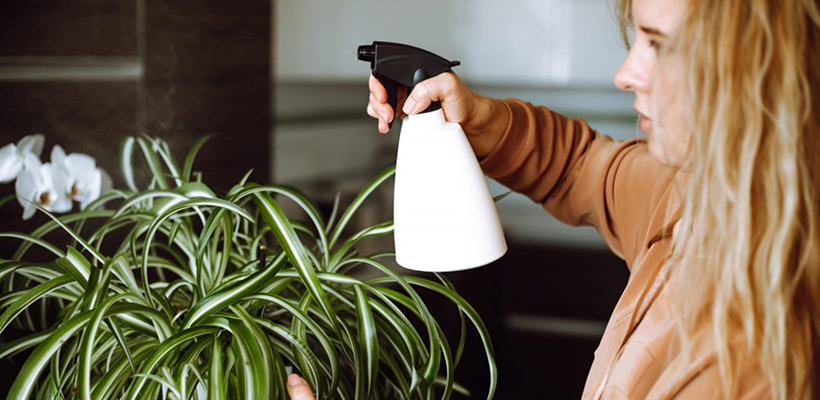
  • Occasional misting can help in very dry climates

Avoid cold drafts or sudden temperature changes.

Fertilizing a Spider Plant

Spider plants do not need heavy feeding.

Fertilizer Tips

  • Use a balanced liquid fertilizer
  • Feed once a month during spring and summer
  • Avoid over-fertilizing (can cause brown leaf tips)
  • Skip feeding in winter

Common Spider Plant Problems

Brown Leaf Tips

Often caused by:

  • Fluoride in tap water
  • Over-fertilizing
  • Dry air

Yellow Leaves

Usually due to overwatering or poor drainage.

Slow Growth

Caused by low light or lack of nutrients.

Root Bound Plant

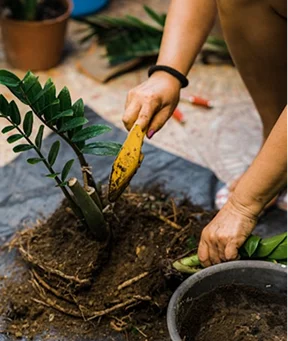
Spider plants grow fast and may need repotting every 1–2 years.

How to Propagate Spider Plants

Spider plants are one of the easiest plants to propagate.

Methods

  • Plantlets (baby spiders) placed in soil
  • Water rooting of plantlets
  • Division of mature plants

The plantlets naturally grow on long stems and can be cut and replanted easily.

Benefits of Spider Plants Indoors

Spider plants are ideal because they:

  • Improve indoor air quality
  • Grow quickly and fill empty spaces
  • Are safe for homes with pets
  • Require minimal care
  • Work well in hanging displays

Final Thoughts

Caring for a spider plant is simple once you understand its basic needs: moderate light, consistent but not excessive watering, and well-draining soil. With minimal effort, it will grow quickly and produce beautiful hanging plantlets that enhance your indoor space.

The spider plant remains one of the best beginner-friendly indoor plants for homes, offices, and apartments.

Recommended Blogs

Watering Basics

Beginner Care

18/05/2026

Sunlight Guide

Light & Placement

18/05/2026

Repotting Tutorial

Plant Maintenance

18/05/2026

Fertilizer Basics

Feeding Guide

18/05/2026

Scroll to Top