Is a Kalanchoe Plant Indoor or Outdoor? A Complete Growing Guide
- 18/05/2026
- 5 min read
Share
Watering seems simple, but it’s one of the most common reasons houseplants struggle. Too much water can lead to root rot, while too little can leave plants dehydrated and unhealthy. Understanding when and how to water your indoor plants is essential for keeping them vibrant and thriving.
In this guide, you’ll learn the best watering practices, common mistakes to avoid, and how to determine exactly when your plants need water.
What is a Kalanchoe Plant?
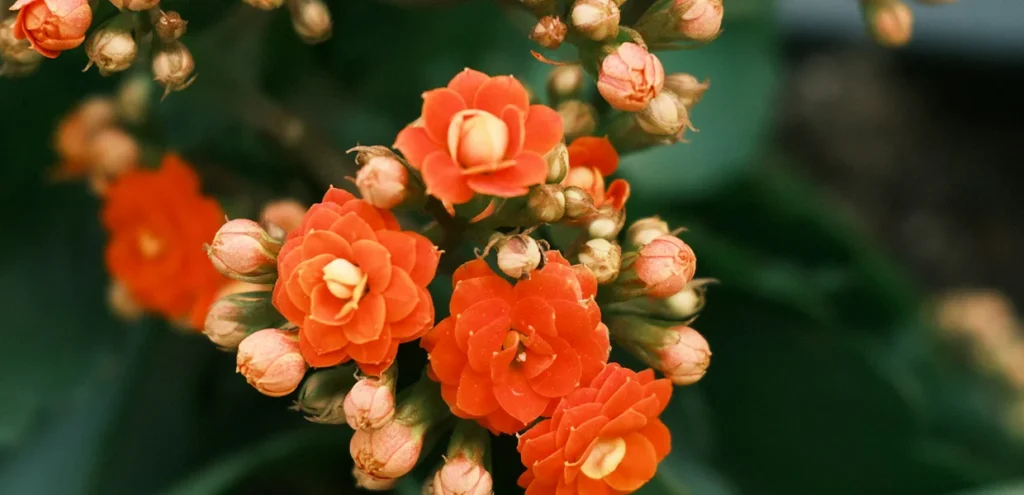
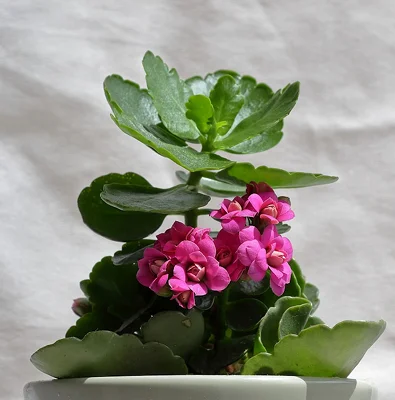
Kalanchoe is a flowering succulent known for its thick, fleshy leaves and clusters of colorful blooms. Native to Madagascar and tropical regions of Africa, Kalanchoe has become one of the most popular flowering succulents worldwide due to its low-maintenance nature and long-lasting flowers.
Common flower colors include:
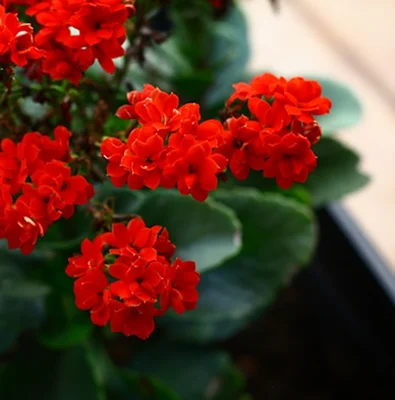
- Red
- Pink
- Yellow
- Orange
- White
- Purple
Its vibrant appearance and easy care requirements make it a favorite among both beginner and experienced gardeners.
Is Kalanchoe an Indoor or Outdoor Plant?
Kalanchoe as an Indoor Plant
Kalanchoe is most commonly grown indoors because it adapts well to household conditions. It thrives in bright locations and requires minimal watering, making it an excellent choice for homes, offices, and apartments.
Benefits of Growing Kalanchoe Indoors
- Easy to maintain
- Requires little water
- Produces colorful flowers
- Ideal for windowsills and tabletops
- Helps enhance indoor décor
For best results, place your Kalanchoe near a bright window where it receives indirect sunlight for several hours each day.
Can Kalanchoe Grow Outdoors?
Yes, Kalanchoe can grow outdoors in warm climates. It performs well in gardens, patios, balconies, and outdoor containers when temperatures remain consistently mild.
Outdoor Growing Conditions
Kalanchoe grows best outdoors when:
- Temperatures stay above 50°F (10°C)
- The soil drains well
- The plant receives morning sun or filtered sunlight
- Frost is not present
In tropical and subtropical regions, Kalanchoe can remain outdoors year-round. In colder climates, it is often grown in containers and brought indoors during winter.
Best Light Conditions for Kalanchoe
Yes, Kalanchoe can grow outdoors in warm climates. It performs well in gardens, patios, balconies, and outdoor containers when temperatures remain consistently mild.
Indoors
Provide:
- Bright indirect sunlight
- South-facing or east-facing windows
- 4–6 hours of bright light daily
Insufficient light can cause leggy growth and fewer flowers.
Outdoors
Provide:
- Morning sunlight
- Partial afternoon shade in hot climates
- Protection from intense midday sun
Too much direct sunlight may scorch the leaves, especially during summer.
How often Should You Water a Kalanchoe ?
As a succulent, Kalanchoe stores water in its leaves and does not require frequent watering.
Watering Tips
- Allow the soil to dry between waterings.
- Water thoroughly when the top inch of soil feels dry.
- Reduce watering during winter.
- Avoid leaving the plant in standing water.
Overwatering is one of the most common causes of Kalanchoe problems and can lead to root rot.
Best Soil for Houseplants Kalanchoe
Kalanchoe prefers well-draining soil that prevents excess moisture from accumulating around the roots.
Recommended options include:
- Cactus soil mix
- Succulent potting mix
- Sandy, fast-draining soil
Good drainage is essential whether the plant is grown indoors or outdoors.
Temperature Requirements
Kalanchoe grows best in temperatures between 60°F and 85°F (15°C to 29°C).
Avoid:
- Frost
- Freezing temperatures
- Sudden temperature changes
If outdoor temperatures drop below 50°F (10°C), move potted plants indoors to protect them from cold damage.
How to Encourage More Flowers
Yellow Leaves
Possible causes:
- Overwatering
- Poor drainage
- Root rot
Leggy Growth
Possible causes:
- Insufficient sunlight
- Indoor placement in a dark location
Dropping Flowers
Possible causes:
- Temperature stress
- Overwatering
- Lack of sunlight
Addressing these issues early can help keep your Kalanchoe healthy and attractive.
Is Kalanchoe Suitable for Beginners?
Absolutely. Kalanchoe is one of the easiest flowering succulents to grow. Its drought tolerance, attractive blooms, and minimal care requirements make it ideal for beginner gardeners and busy plant owners.
Conclusion
So, is a Kalanchoe plant indoor or outdoor? The answer is that it can thrive in both environments. Most people grow Kalanchoe indoors as a low-maintenance flowering houseplant, but it can also flourish outdoors in warm, frost-free climates. By providing bright light, well-draining soil, and moderate watering, you can enjoy healthy foliage and vibrant blooms year after year.
Whether displayed on a sunny windowsill or brightening a garden patio, Kalanchoe is a beautiful and rewarding plant that adds color and charm to any space.
- FAQs
Frequently Asked Questions
Is Kalanchoe a houseplant?
Yes, Kalanchoe is commonly grown as a houseplant because it thrives indoors with bright light and minimal watering.
Can Kalanchoe survive outside?
Yes, Kalanchoe can grow outdoors in warm climates where temperatures remain above 50°F (10°C).
Does Kalanchoe need direct sunlight?
Kalanchoe prefers bright light and can tolerate some direct morning sunlight, but intense afternoon sun may damage the leaves.
How often should I water my Kalanchoe?
Water only when the soil becomes dry. Most Kalanchoe plants require watering every 1–2 weeks, depending on environmental conditions.
Is Kalanchoe easy to care for?
Yes, Kalanchoe is considered one of the easiest flowering succulents to maintain, making it perfect for beginners.
Recommended Blogs
Watering Basics
Beginner Care
18/05/2026
Sunlight Guide
Light & Placement
18/05/2026
Repotting Tutorial
Plant Maintenance
18/05/2026