
Why is my Snake Plant Flowering? Understanding This Rare and Beautiful Event
- June 19, 2026
- 5 min read
Share
If you’ve recently spotted a tall flower stalk emerging from your snake plant, you may be asking, “Why is my snake plant flowering?” While snake plants are famous for their tough, low-maintenance nature, many plant owners are surprised to learn that these popular houseplants can bloom.
In fact, a flowering snake plant is often a sign that your plant is mature and thriving. In this guide, we’ll explain why snake plants flower, what the blooms look like, and how to care for your plant during this unique stage.
What is a Snake Plant?
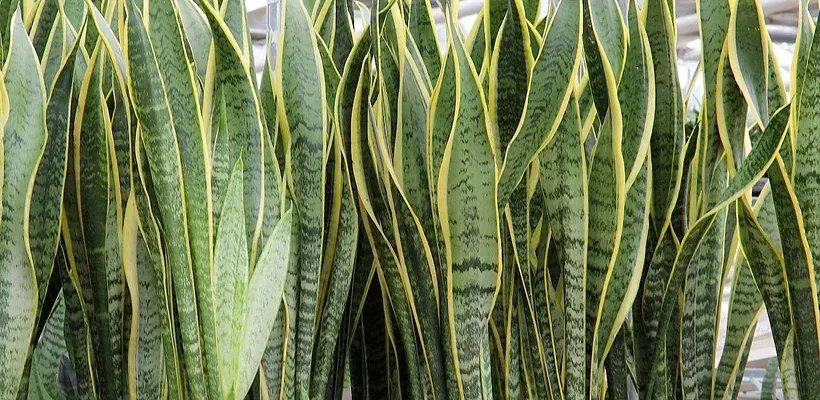
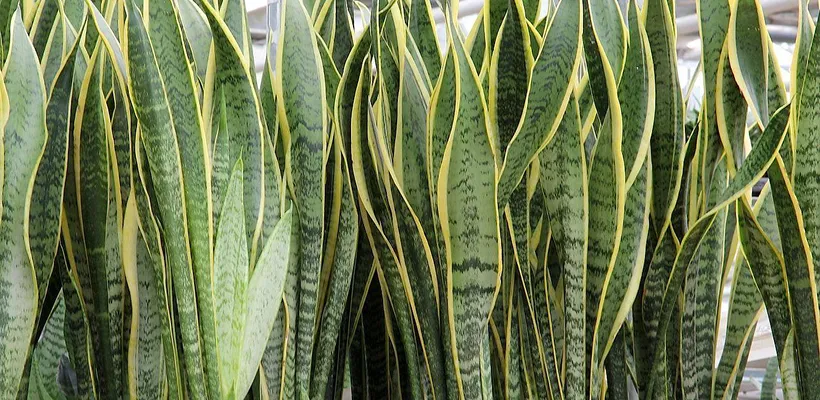
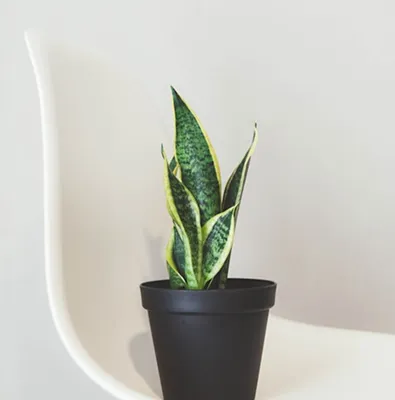
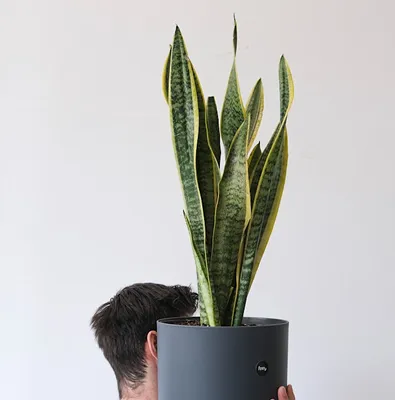
The snake plant, scientifically known as Dracaena trifasciata (formerly Sansevieria trifasciata), is one of the most popular indoor plants worldwide. Known for its upright sword-shaped leaves and ability to tolerate neglect, it is a favorite among beginners and experienced plant enthusiasts alike.
Despite its name, the corn plant is not related to agricultural corn. The name comes from the resemblance of its leaves to corn stalk foliage.
Snake plants are valued for their:
- Low maintenance requirements
- Drought tolerance
- Air-purifying qualities
- Adaptability to various light conditions
Although they’re primarily grown for their attractive foliage, snake plants can occasionally produce flowers.
Why is my Snake Plant Flowering?
A flowering snake plant is generally a positive sign. While blooming indoors is relatively uncommon, it can occur under the right conditions.
1. Your Plant Has Reached Maturity
One of the most common reasons a snake plant flowers is age. Mature plants are much more likely to bloom than younger specimens.
One of the most common reasons a snake plant flowers is age. Mature plIf you’ve had your snake plant for several years, flowering may simply be part of its natural growth cycle.ants are much more likely to bloom than younger specimens.
2. Ideal Growing Conditions
Snake plants often bloom when they receive excellent care and have everything they need to thrive.
Factors that may encourage flowering include:
- Bright indirect light
- Consistent watering habits
- Well-draining soil
- Stable temperatures
- Healthy root systems
When conditions are favorable, the plant may have enough energy to produce flowers.
3. Mild Root Stress
Interestingly, some snake plants bloom when they become slightly root-bound.
A plant that has filled its pot may redirect energy toward reproduction, triggering flowering. However, this doesn’t mean you should intentionally stress your plant.
4. Natural Reproductive Process
Flowering is a normal part of the plant’s reproductive cycle. Even though indoor snake plants rarely produce viable seeds, blooming remains a natural biological function.
What do Snake Plant Flowers Look Like?
Snake plant flowers grow on tall stalks that emerge from the base of the plant.
The blooms are typically:
- Small and delicate
- White, cream, or greenish-white
- Arranged in clusters along the flower spike
One of their most notable features is their fragrance. Many snake plant flowers produce a sweet, pleasant scent that becomes stronger in the evening and nighttime hours.
Is Flowering Good Sign?
Yes, in most cases flowering indicates that your snake plant is healthy and mature.
Benefits of flowering include:
- Sign of successful plant care
- Demonstrates plant maturity
- Adds visual interest
- Produces a pleasant fragrance
While flowering is generally positive, it can temporarily use some of the plant’s energy. This is completely normal and rarely causes any long-term issues.
Should i Cut Off the Flower Stalk?
Whether to remove the flower stalk is a matter of personal preference.
You may leave it if:
- You enjoy the blooms
- You like the fragrance
- You want to experience the complete flowering cycle
You may remove it if:
- The flowers are fading
- The scent becomes overwhelming
- You prefer a cleaner appearance
Once blooming is finished, simply trim the stalk near its base using clean pruning tools.
How long do Snake Plant Flowers Last?
Snake plant flowers can last for several weeks.
Some snake plants may not flower again for years, while others may bloom periodically under favorable conditions.
Some snake plants may not flower again for years, while others may bloom periodically under favorable conditions.
How to Care for a Flowering Snake Plant?
Provide Bright Indirect Light
While snake plants tolerate low light, brighter conditions often support flowering and healthy growth.
Avoid Overwatering
Allow the soil to dry between waterings. Overwatering remains one of the most common causes of snake plant problems.
Maintain Good Drainage
Use a well-draining cactus or succulent potting mix to prevent root rot.
Keep Temperatures Consistent
Snake plants prefer temperatures between 65°F and 85°F (18°C to 29°C).
Fertilize Sparingly
A balanced houseplant fertilizer during the growing season can support overall plant health, but excessive feeding is unnecessary.
Conclusion
If you’ve been wondering, “Why is my snake plant flowering?”, there’s usually no cause for concern. A blooming snake plant is often a sign that your plant is healthy, mature, and growing in favorable conditions.
Enjoy the rare flowers and their sweet fragrance while they last. With continued proper care, your snake plant will remain an attractive and resilient addition to your indoor plant collection for years to come.
- FAQs
Frequently Asked Questions
Does flowering mean my snake plant is dying?
No. Flowering is a natural process and usually indicates that the plant is healthy and mature.
How often do snake plants flower indoors?
Indoor flowering is relatively rare and may occur only occasionally, depending on the plant’s age and growing conditions.
Are snake plant flowers fragrant?
Yes. Many snake plant flowers produce a sweet fragrance, particularly in the evening.
Can I encourage my snake plant to flower?
Providing bright indirect light, proper watering, and allowing the plant to mature naturally can increase the likelihood of blooming.
Recommended Blogs
Watering Basics
Beginner Care
18/05/2026

Sunlight Guide
Light & Placement
18/05/2026
Repotting Tutorial
Plant Maintenance
18/05/2026