
Can Spider Plants Live in Low Light? Everything You Need to Know
- June 19, 2026
- 5 min read
Share
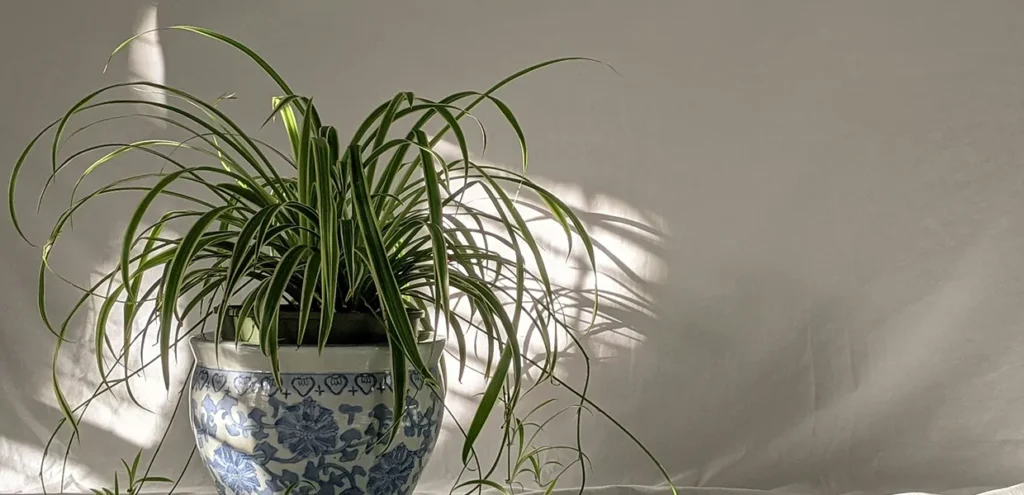
Spider plants are among the most popular houseplants thanks to their adaptability, easy care requirements, and attractive arching foliage. One of the most common questions plant owners ask is: Can spider plants live in low light?
The short answer is yes—spider plants can survive in low-light conditions. However, there is a difference between surviving and thriving. Understanding how light affects spider plants can help you keep them healthy, vibrant, and productive.
What is a Spider Plant?
The spider plant (Chlorophytum comosum) is a hardy indoor plant known for its long, narrow leaves and baby plantlets, often called “spiderettes,” that grow from trailing stems.
Spider plants are popular because they are:
- Easy to care for
- Fast-growing
- Pet-friendly
- Adaptable to different indoor environments
- Suitable for beginners
Their flexibility makes them one of the best houseplants for homes and offices.
Can Spider Plants Survive in Low Light?
Yes, spider plants can survive in low light. In fact, they are more tolerant of low-light conditions than many other houseplants.
Spider plants are popular because they are:
- Receive little or no direct sunlight
- Are several feet away from a window
- Rely mainly on indirect or artificial light
Spider plants can continue growing in these environments, but their growth may be slower compared to plants receiving brighter conditions.
Do Spider Plants Prefer Low Light?
While spider plants can tolerate low light, they actually prefer bright, indirect light.
In their natural habitat, spider plants grow beneath larger plants and trees, receiving filtered sunlight rather than direct exposure.
The ideal lighting conditions include:
- Bright indirect sunlight
- East-facing windows
- Bright north-facing windows
- Locations near sunny windows without direct afternoon sun
These conditions typically produce healthier foliage and faster growth.
What Happens if a Spider Plant Doesn't Get Enough Light?
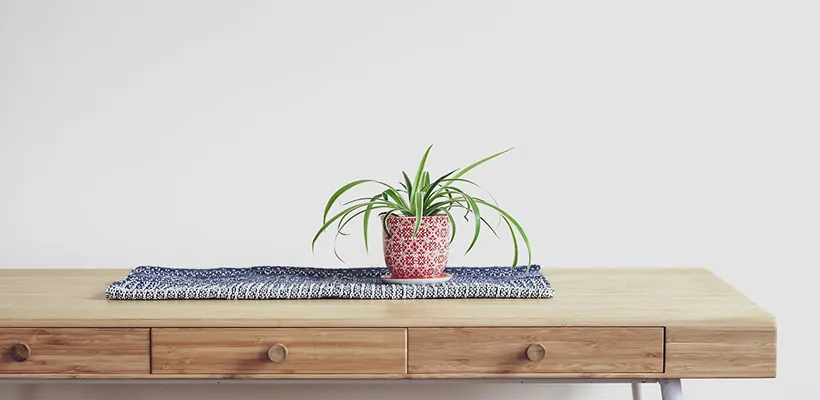
A spider plant growing in very low light may show several signs that it needs more illumination.
Slower Growth
Low light reduces the plant’s ability to produce energy through photosynthesis, leading to slower growth.
Fewer Spiderettes
Spider plants often produce fewer baby plants when light levels are insufficient.
Dull Leaf Color
The leaves may lose some of their vibrant green coloration and variegation.
Weak or Leggy Growth
Leaves may become thinner, weaker, or stretch toward available light sources.
Increased Risk of Overwatering Issues
Plants in low light use water more slowly, increasing the risk of root rot if watering habits aren’t adjusted.
Can the Spider Plants Grow Under Artificial Light?
Yes. Spider plants adapt very well to artificial lighting.
Suitable options include:
- LED grow lights
- Fluorescent lights
- Bright office lighting
For best results:
- Place lights 12–24 inches above the plant
- Provide 10–14 hours of light daily
- Use full-spectrum grow lights when possible
Many spider plants thrive entirely under artificial indoor lighting.
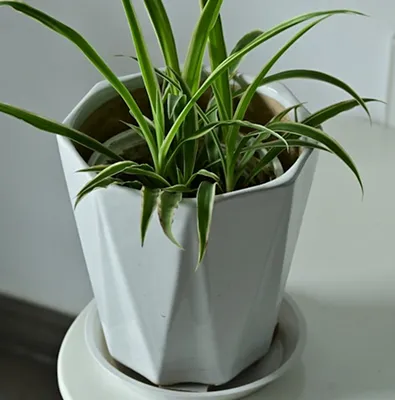
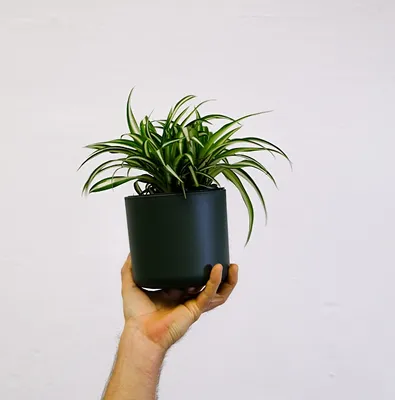
How to Care for Spider Plants in Low Light?
Water Less Frequently
Because low-light plants use less water, allow the soil to dry slightly between waterings.
Rotate the Plant
Turning the plant every few weeks helps promote even growth and prevents leaning toward the light source.
Clean the Leaves
Dust can block light absorption. Wipe leaves gently with a damp cloth as needed.
Monitor Growth
Watch for signs of light deficiency and move the plant closer to a light source if necessary.
Best Locations for Spider Plants in Low Light Homes
If your home has limited sunlight, consider placing your spider plant in:
- Offices with bright overhead lighting
- Bedrooms with filtered window light
- Hallways near windows
- Living rooms several feet from a bright window
Avoid placing the plant in completely dark rooms for extended periods.
Conclusion
So, can spider plants live in low light? Absolutely. Their adaptability makes them one of the best indoor plants for homes with limited natural sunlight. While they can survive in lower-light conditions, they will generally grow faster, produce more spiderettes, and maintain brighter foliage when provided with bright, indirect light.
By adjusting watering habits and providing as much indirect light as possible, you can keep your spider plant healthy and attractive even in less-than-ideal lighting conditions.
- FAQs
Frequently Asked Questions
Can spider plants live in a room with no windows?
Spider plants can survive in windowless rooms if they receive adequate artificial lighting from grow lights or bright indoor fixtures.
Will a spider plant die in low light?
Usually not. Spider plants are highly adaptable and can tolerate low light, although growth may slow significantly.
How much light does a spider plant need?
Spider plants perform best with bright, indirect light for several hours each day but can adapt to lower-light environments.
Do spider plants need direct sunlight?
No. Direct sunlight can scorch their leaves. Bright, indirect light is ideal.
Recommended Blogs
Watering Basics
Beginner Care
18/05/2026
Sunlight Guide
Light & Placement
18/05/2026
Repotting Tutorial
Plant Maintenance
18/05/2026