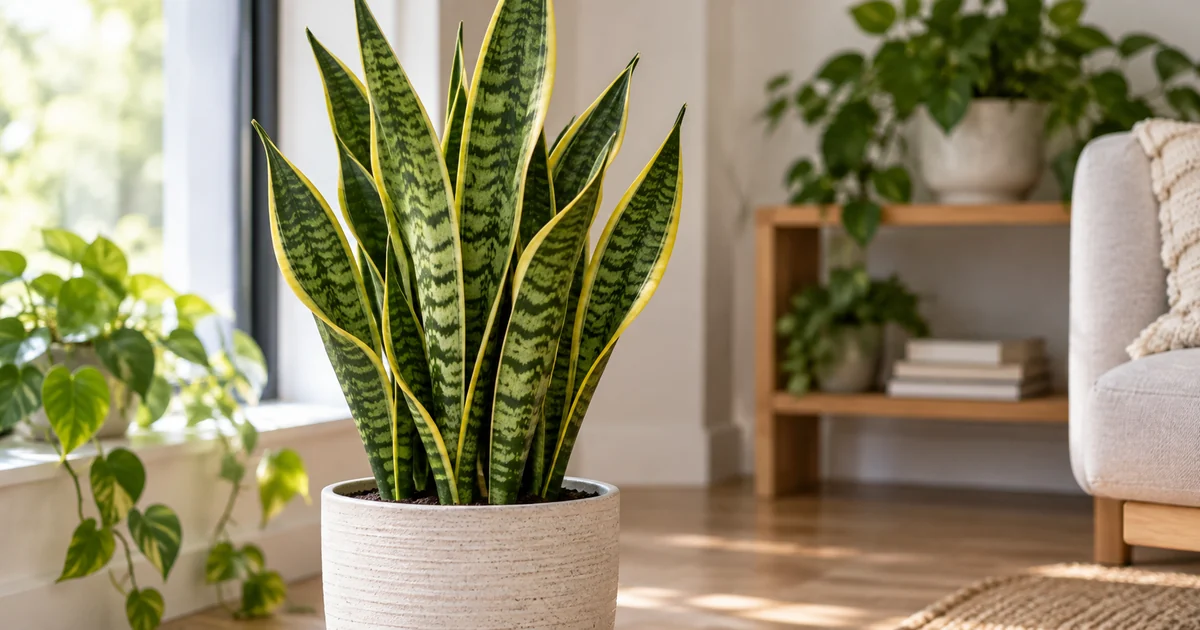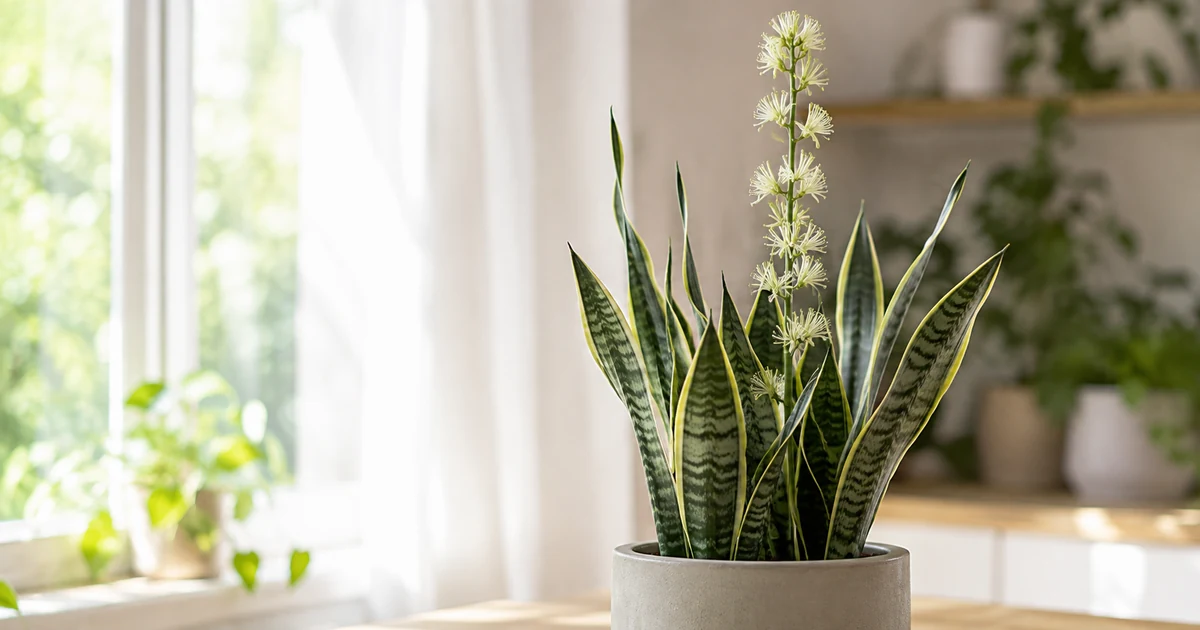
Snake plants are among the easiest houseplants to grow, making them a popular choice for beginners and experienced plant owners. However, choosing the right time to plant or repot a snake plant can help reduce stress and encourage healthier root development.
So, when should you plant a snake plant?
The best time is generally during the spring and early summer, when the plant is entering its active growing period. However, snake plants are adaptable indoor plants and can usually be planted or repotted at other times of the year when necessary.
When Is the Best Time to Plant a Snake Plant?
The ideal time to plant or repot a snake plant is spring through early summer.
During this period, warmer temperatures and increasing daylight encourage active growth. If you are propagating snake plant cuttings, spring and summer can also provide favourable conditions for root development.
Why Spring Is Ideal
Spring offers several advantages:
- Warmer temperatures support root growth.
- Longer daylight provides more energy for photosynthesis.
- The plant naturally enters an active growth period.
- Fresh roots have more time to establish before cooler weather.
- Soil is more likely to dry appropriately between waterings.
If your snake plant has outgrown its pot, spring is an excellent time to move it into a slightly larger container.
Can You Plant a Snake Plant in Summer?
Yes. Early and mid-summer can also be a good time to plant or repot a snake plant, provided the plant is protected from extreme heat and direct, intense sunlight.
If your snake plant is kept indoors, summer conditions are usually suitable for repotting.
However, avoid placing a newly repotted plant directly beside a very hot window or in harsh afternoon sunlight. Give it bright, indirect light while it adjusts.
Can You Plant a Snake Plant in Fall or Winter?
You can plant or repot a snake plant during fall or winter if necessary, but it is generally better to avoid unnecessary disturbance during its slower growth period.
Snake plants can tolerate a wide range of indoor conditions, but growth may slow during cooler months.
You may still need to repot during winter if:
- The pot is broken.
- The soil has serious drainage problems.
- The roots are severely overcrowded.
- The plant has been affected by root rot.
- You need to address a pest or disease problem.
If repotting is necessary, focus on providing excellent drainage and avoid overwatering afterward.
When to Plant Snake Plant Cuttings
If you are propagating a snake plant from leaf cuttings, spring and summer are generally the easiest times because the plant is actively growing.
You can propagate snake plants using:
- Leaf cuttings
- Division
- Rhizome sections
Division is often a straightforward option for mature plants that have produced multiple shoots.
How to Propagate Snake Plant From a Leaf Cutting
- Choose a healthy leaf.
- Cut it into several sections if desired.
- Allow the cut surfaces to dry and callus.
- Place the cutting in suitable, well-draining growing medium.
- Provide bright, indirect light.
- Water sparingly.
- Wait for roots and new growth to develop.
Snake plant propagation can take time, so avoid disturbing the cutting frequently to check for roots.
What Temperature Is Best for Planting Snake Plants?
Snake plants prefer warm indoor conditions.
A comfortable temperature range is generally around 18–29°C (65–85°F).
Avoid planting or repotting when temperatures are extremely cold, particularly if the plant will be exposed to cold drafts.
If you live in a warm climate, you may have a longer planting and repotting window than someone growing snake plants in a colder region.
Does the Season Matter for Indoor Snake Plants?
Season matters less for indoor snake plants than for outdoor plants.
Indoor temperatures are generally more stable, and artificial lighting can also reduce seasonal changes in growing conditions.
If your home remains warm and the plant receives sufficient light, you may be able to repot it outside the traditional spring window.
However, spring remains a convenient time because the plant is naturally beginning a more active growth period.
When Should You Repot a Snake Plant?
The best time to repot a snake plant is usually when the plant has outgrown its current container rather than simply because a certain amount of time has passed.
Signs that your snake plant may need repotting include:
- Roots growing through drainage holes.
- Roots tightly circling the root ball.
- The plant repeatedly becoming unstable.
- Soil drying unusually quickly.
- The container becoming overcrowded.
- New growth appearing restricted.
Snake plants generally prefer being slightly root-bound, so you do not need to move them into a much larger pot at the first sign of roots.
How to Choose the Right Pot
Choosing the correct container is particularly important for snake plants because overwatering is one of the most common causes of problems.
Choose a pot that:
- Has drainage holes.
- Is only slightly larger than the existing pot.
- Is sturdy enough to support the plant.
- Allows excess water to escape.
Avoid moving a small snake plant into a very large container. A large volume of wet soil can remain moist for too long, increasing the risk of root problems.
What Soil Is Best for Snake Plants?
Snake plants prefer a well-draining potting mix.
A suitable mix can contain:
- Regular indoor potting soil
- Perlite
- Coarse sand or another drainage-enhancing material
A commercial cactus or succulent potting mix can also be a convenient option.
The key goal is fast drainage and avoiding prolonged wet conditions around the roots.
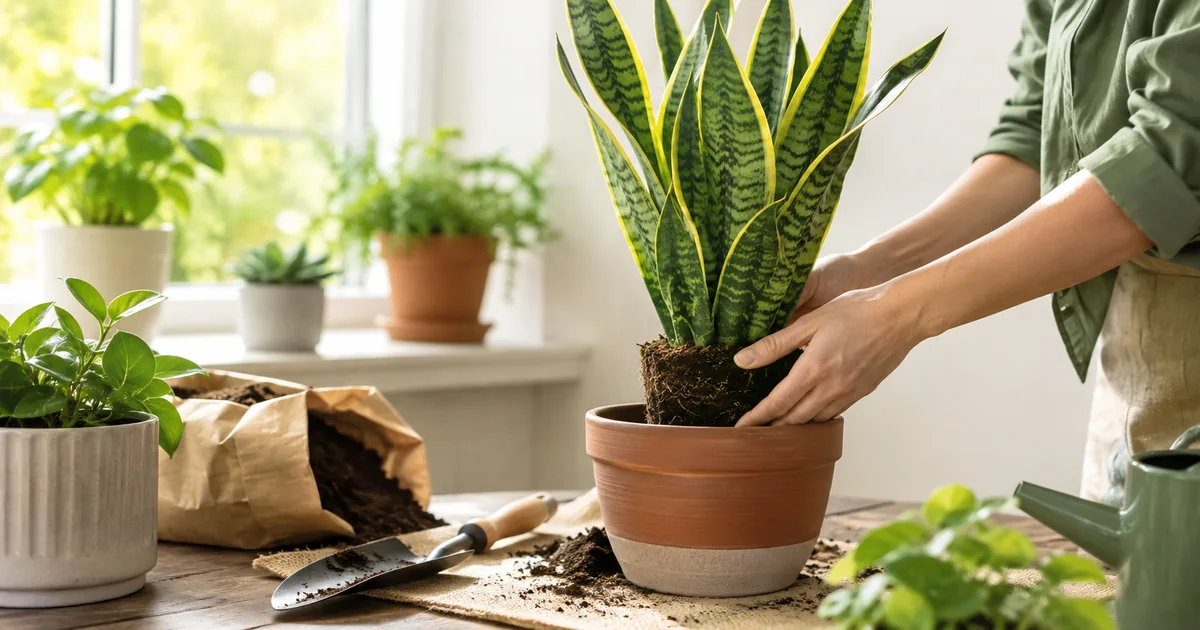
How to Plant a Snake Plant
Once you have chosen the right time and container, planting is relatively simple.
Step 1: Prepare the Pot
Select a container with drainage holes and add a layer of suitable potting mix.
Step 2: Remove the Plant Carefully
Gently remove the snake plant from its existing container.
Avoid pulling aggressively on the leaves.
Step 3: Inspect the Roots
Look for healthy, firm roots. If you notice soft, dark, or mushy roots, remove affected sections with clean tools.
Step 4: Position the Plant
Place the plant at approximately the same depth it was growing previously.
Avoid burying the leaves or central crown too deeply.
Step 5: Add Soil
Fill around the roots with fresh, well-draining soil.
Do not compact the soil excessively.
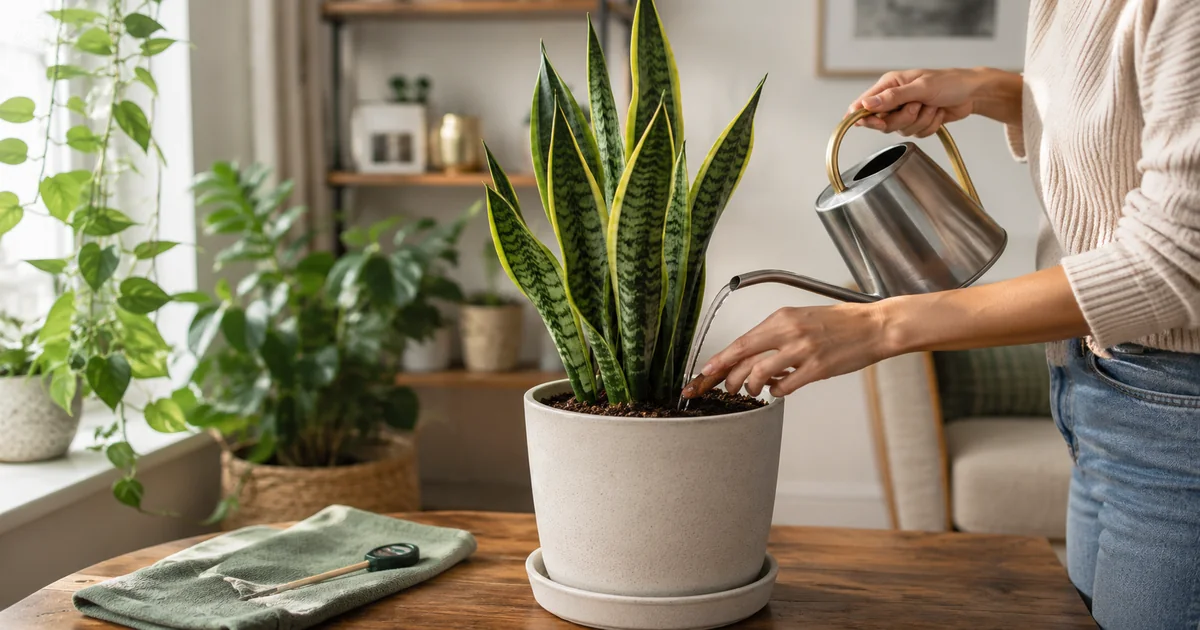
Step 6: Water Carefully
After planting, water appropriately and allow excess water to drain completely.
Do not leave the pot sitting in standing water.
How Often Should You Water a Newly Planted Snake Plant?
Snake plants are drought-tolerant and store water in their leaves and underground structures.
After planting or repotting, avoid following a rigid watering schedule.
Instead, check the soil.
If the soil is still moist, wait before watering again.
Overwatering can cause serious root problems, particularly when the plant has been moved into a container with poor drainage.
Where Should You Place a Newly Planted Snake Plant?
After planting, place your snake plant somewhere with bright, indirect light.
Snake plants can tolerate lower-light conditions, but growth is generally better when they receive sufficient light.
Avoid immediately placing a recently repotted plant in intense direct sunlight, especially if it was previously growing in lower light.
Common Mistakes When Planting Snake Plants
Planting in a Pot Without Drainage
Without drainage holes, excess water can accumulate around the roots.
Using Heavy Soil
Dense soil can retain too much moisture and prevent proper drainage.
Choosing a Pot That Is Too Large
A much larger pot can hold excess moisture for longer.
Overwatering
Snake plants prefer the soil to dry between waterings.
Planting Too Deeply
Burying the base of the plant too deeply can increase the risk of moisture-related problems.
Placing the Plant in Harsh Sunlight Immediately
A sudden change in light exposure can stress the plant.
When Is the Best Time to Plant Snake Plant Outdoors?
If you want to grow a snake plant outdoors, timing becomes more important.
Plant outdoors when the weather is consistently warm and there is no risk of frost or prolonged cold temperatures.
Snake plants are tropical and subtropical plants, so they generally perform best in warm conditions.
In colder climates, they should be grown in containers so they can be moved indoors when temperatures fall.
Frequently Asked Questions
Can I plant a snake plant at any time of year?
Yes. Indoor snake plants can generally be planted or repotted throughout the year when necessary. However, spring and early summer are usually the most favourable periods because the plant is entering active growth.
Is spring the best time to repot a snake plant?
Yes. Spring is generally an excellent time because warmer conditions and increased daylight support new root and leaf growth.
Can I repot a snake plant in winter?
Yes, if necessary. Avoid unnecessary repotting during winter, but address problems such as root rot, broken pots, or severely compacted soil when they occur.
How often should snake plants be repotted?
Snake plants generally do not require frequent repotting. Repot when the plant becomes significantly root-bound, the container is unstable, or the soil and drainage have deteriorated.
Can snake plants grow from leaf cuttings?
Yes. Snake plants can be propagated from leaf cuttings, although the process can take several weeks or longer depending on environmental conditions.
Final Thoughts
So, when should you plant a snake plant?
For most indoor growers, spring and early summer are the best times to plant, repot, or propagate snake plants. "Warmer temperatures and increased daylight provide favourable conditions for active growth" and development of roots.
However, snake plants are highly adaptable. If your plant needs repotting because of root problems, poor drainage, or an overcrowded container, you do not need to wait for spring.
Use a well-draining soil mix, choose a pot with drainage holes, provide appropriate light, and avoid overwatering. With the right conditions, your snake plant can remain healthy and attractive for years.