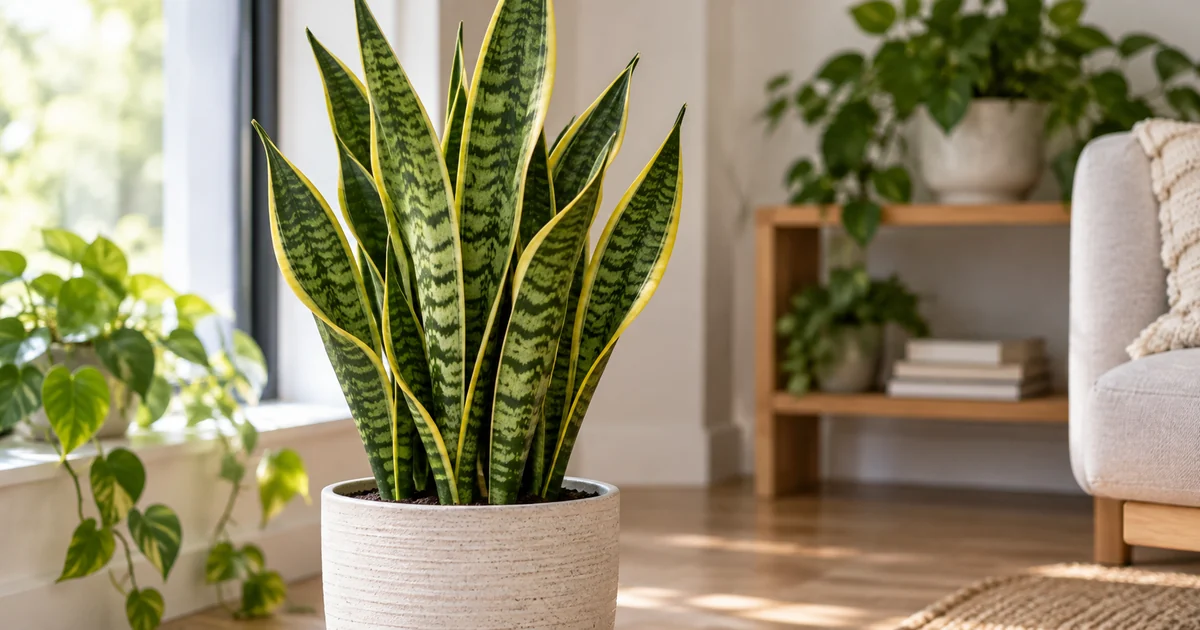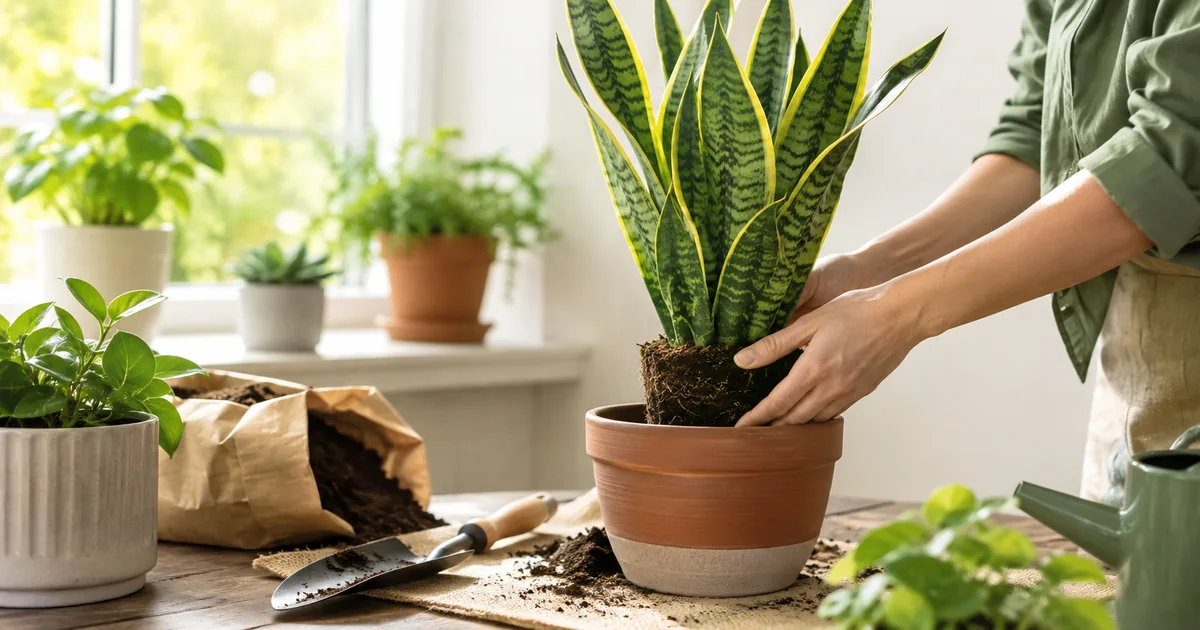
Snake plants are popular houseplants because they are hardy, drought-tolerant, and relatively easy to care for. However, the type and pH of their soil can still affect their growth.
If you're wondering how to make soil acidic for a snake plant, the good news is that snake plants can tolerate a fairly broad soil pH range. They generally perform well in slightly acidic to neutral soil, rather than extremely acidic conditions.
Before changing the pH, it's best to test your soil first. If the soil is already within a suitable range, adding acidifying materials may do more harm than good.
What Soil pH Does a Snake Plant Prefer?
Snake plants generally prefer soil that is slightly acidic to neutral, with a pH around 5.5 to 7.0 being suitable.
The goal isn't to make the soil as acidic as possible. Instead, you want a loose, well-draining growing medium that provides good conditions for the roots.
A soil pH that is too low can make certain nutrients less available and may negatively affect the plant.
How to Make Soil Acidic for a Snake Plant
If a soil test shows that your soil is too alkaline, there are several ways to gradually lower its pH.
1. Use Peat Moss
Peat moss is naturally acidic and can help lower the pH of a potting mix.
You can mix a modest amount of peat moss into your existing potting medium. However, don't use excessive amounts because snake plants need excellent drainage.
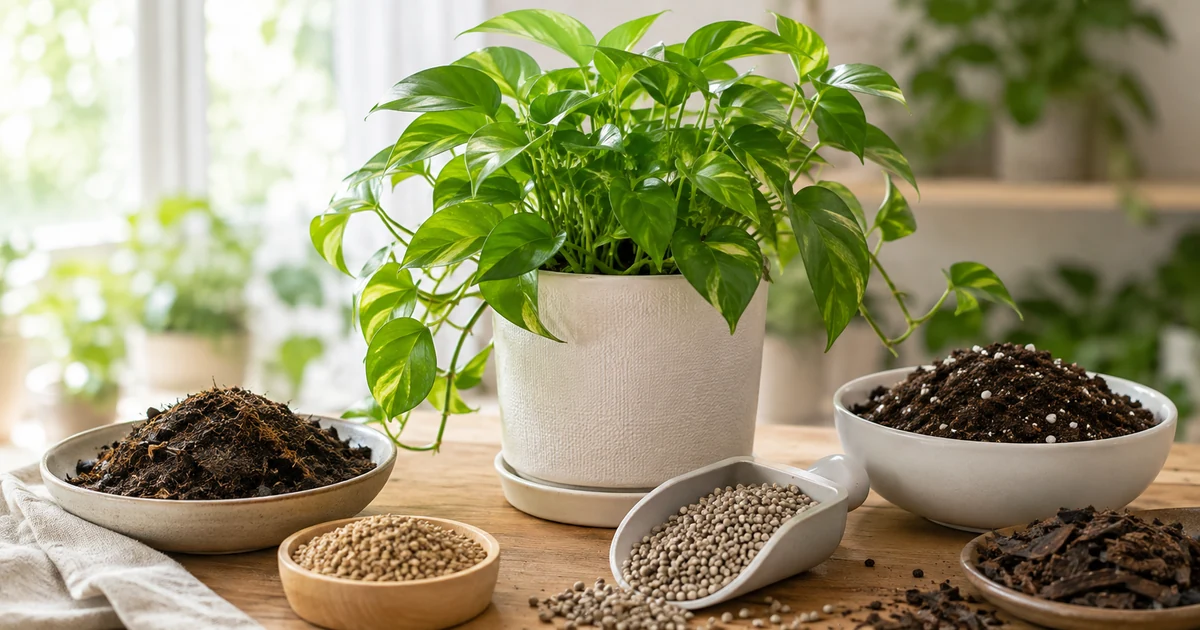
A simple approach is to combine:
- Potting soil
- Peat moss
- Perlite or pumice
This creates a lighter mix while adding some acidity.
2. Use an Acid-Loving Plant Potting Mix
Another simple option is to use a commercial potting mix formulated for acid-loving plants.
However, don't automatically choose the most acidic mix available. Snake plants don't require highly acidic soil, and excessive acidity can create other nutrient problems.
If using a commercial mix, check its drainage properties and consider adding perlite or pumice if it holds too much moisture.
3. Add Pine Bark
Fine or composted pine bark can be incorporated into a potting mix and may contribute to a more acidic growing environment over time.
Pine bark is also useful for improving the structure and aeration of potting mixes.
For snake plants, maintaining good drainage is more important than aggressively lowering the pH.
4. Use an Elemental Sulfur Product
Elemental sulfur can lower soil pH, but it should be used carefully.
Unlike simply adding an acidic material to the potting mix, sulfur relies on soil microorganisms to convert it into forms that acidify the soil. The amount needed depends on factors such as the starting pH and the characteristics of the soil.
For a potted snake plant, it's safer to use a product according to its label rather than guessing the amount.
Do not add large quantities of sulfur simply because you want acidic soil.
Should You Use Coffee Grounds to Acidify Snake Plant Soil?
Coffee grounds are often recommended as a natural way to make soil acidic, but they aren't a reliable method for significantly lowering the pH of a snake plant's potting mix.
Fresh coffee grounds can also affect soil structure when used excessively.
If your goal is to lower soil pH, use a method designed for that purpose rather than relying on leftover coffee grounds.
How to Test Snake Plant Soil pH
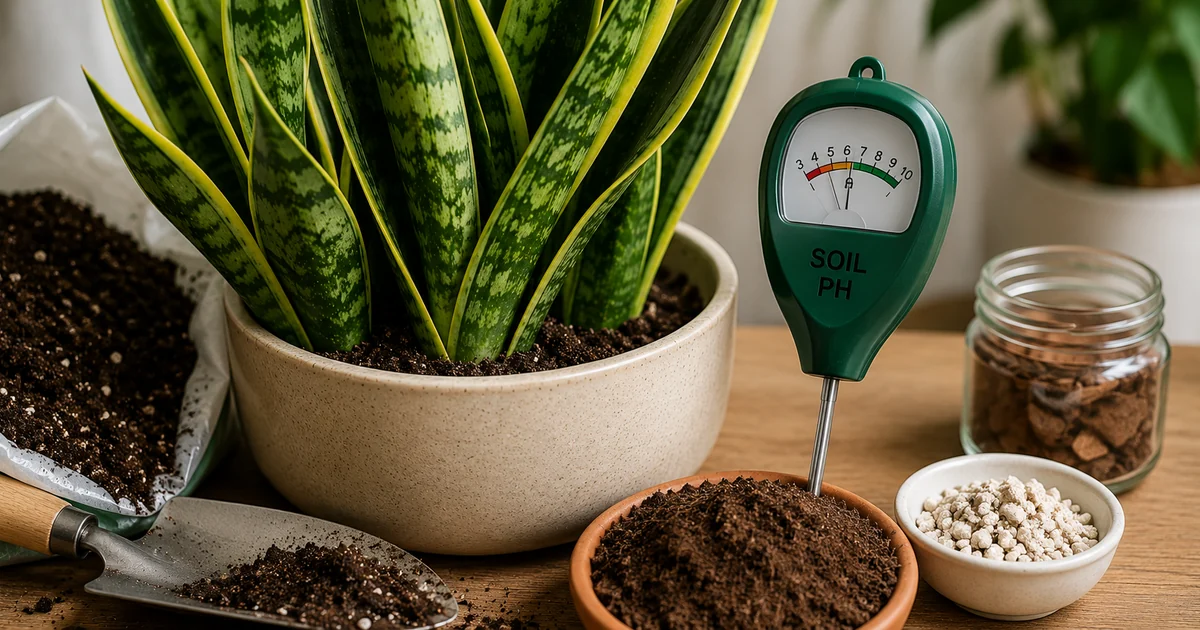
Before changing your soil, test its pH.
You can use:
- A soil pH meter
- A home soil-testing kit
- A laboratory soil test
Testing is important because symptoms such as yellow leaves or slow growth don't necessarily mean the soil is too alkaline.
Problems can also result from overwatering, poor drainage, insufficient light, pests, or nutrient deficiencies.
What Happens If Snake Plant Soil Is Too Acidic?
Making the soil too acidic can be just as problematic as having soil that is too alkaline.
Very acidic conditions can interfere with nutrient availability and may damage the root environment.
Signs of an unhealthy root environment can include:
- Poor growth
- Yellowing leaves
- Weak or declining foliage
- Root damage
- General plant stress
If you've added an acidifying product and the plant starts declining, test the soil again before adding anything else.
Best Soil Mix for Snake Plants
Instead of focusing only on acidity, concentrate on creating a well-draining soil mix.
A simple homemade mix can include:
- 2 parts potting soil
- 1 part perlite or pumice
- 1 part pine bark or another suitable drainage-enhancing material
The exact proportions aren't critical. The important thing is that water can drain freely and the roots aren't kept constantly wet.
A commercial cactus or succulent mix can also be a convenient option.
Do Snake Plants Need Acidic Soil?
Not necessarily.
Snake plants are adaptable and can grow successfully in slightly acidic through near-neutral soil. If your existing potting mix is already suitable and drains well, there's usually no reason to deliberately make it more acidic.
In fact, good drainage and proper watering are generally more important than achieving a very specific pH.
How to Lower Soil pH Safely
If your soil test confirms that the pH is too high, follow these steps:
Step 1: Test the Soil
Determine the current pH before making any changes.
Step 2: Choose a Suitable Acidifying Method
For a small container plant, modifying the potting mix with suitable acidic organic material may be sufficient. For larger pH adjustments, a properly labeled elemental sulfur product may be more appropriate.
Step 3: Make Small Changes
Don't dramatically change the soil pH at once.
Gradual changes reduce the risk of creating an unsuitable root environment.
Step 4: Retest the Soil
After the amendment has had time to work, test the soil again.
Step 5: Monitor the Plant
Look for healthy new growth and firm, healthy leaves. If the plant begins showing signs of stress, reassess the soil, watering, drainage, and lighting conditions.
Common Mistakes When Acidifying Snake Plant Soil
Making the Soil Extremely Acidic
Snake plants don't need highly acidic soil. More acidity doesn't automatically mean better growth.
Adding Vinegar Directly to the Soil
Although vinegar is acidic, pouring vinegar directly into a plant's pot can cause sudden changes in soil chemistry and potentially damage roots.
It's not a good routine method for managing snake plant soil pH.
Using Too Much Sulfur
Elemental sulfur can be effective, but excessive amounts can push the soil pH too low.
Always follow the product's instructions.
Ignoring Drainage
A perfectly adjusted pH won't compensate for waterlogged soil.
Snake plants are particularly sensitive to overwatering and poor drainage, so make drainage a priority.
Changing Soil pH Without Testing
Don't assume yellow leaves mean your soil is too alkaline.
Test first and identify the actual cause before adding amendments.
Frequently Asked Questions
What is the best way to make snake plant soil acidic?
If testing shows that the soil is too alkaline, you can incorporate acidic organic materials such as peat moss or use an appropriate acidifying product. Make changes gradually and retest the soil.
Can I use vinegar to make snake plant soil acidic?
It's not recommended to pour vinegar directly into a snake plant's pot. Vinegar can cause a rapid local change in acidity and may damage the roots.
Are coffee grounds good for snake plants?
Coffee grounds aren't a reliable way to significantly acidify snake plant soil. Excessive amounts can also affect the structure of the growing medium.
Do snake plants like acidic soil?
Snake plants generally tolerate slightly acidic to neutral soil. They don't require highly acidic soil to grow well.
Can I use peat moss for a snake plant?
Yes. Peat moss can be incorporated into a potting mix, but it should be balanced with materials that improve drainage because snake plants don't like constantly wet soil.
How can I tell if my snake plant soil is too alkaline?
The only reliable way to determine soil pH is to test it. Yellowing, slow growth, or other symptoms can have many causes and shouldn't automatically be attributed to alkaline soil.
Final Thoughts
Learning how to make soil acidic for a snake plant is less about making the soil highly acidic and more about creating a healthy root environment.
Start by testing the soil. If the pH is too high, make gradual adjustments using suitable materials such as peat moss or an appropriate soil acidifier. Most importantly, maintain excellent drainage and avoid overwatering.
For snake plants, well-draining soil, proper watering, and appropriate light are usually more important than aggressively changing soil acidity.