
How to Put Plants in Decorative Pots: A Step-by-Step Guide for Healthy, Beautiful Indoor Plants
- July 28, 2026
- 5 min read
Share
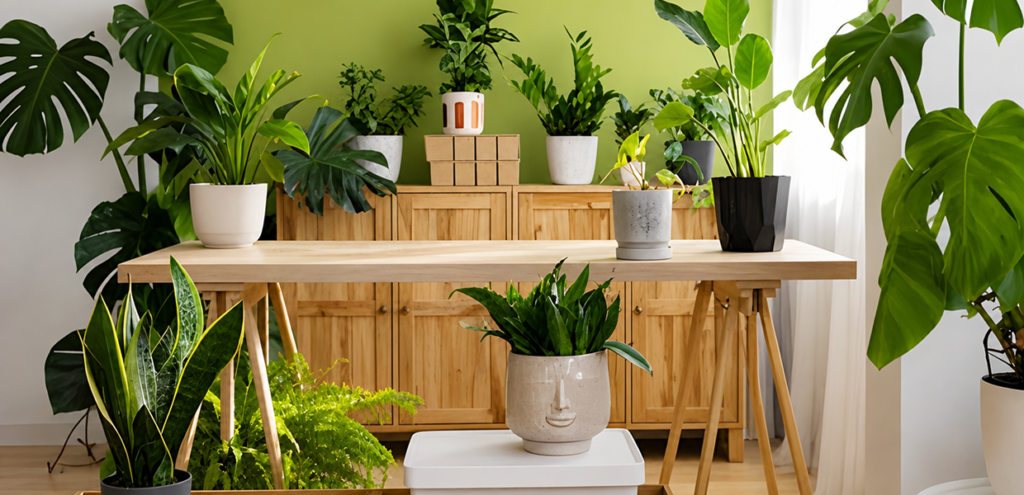
Decorative pots are one of the easiest ways to elevate your indoor or outdoor space. They add style, complement your décor, and help showcase your favorite plants. However, many people make the mistake of placing a plant directly into a decorative pot without considering drainage or proper planting techniques, which can lead to root rot and unhealthy growth.
In this guide, you’ll learn how to put plants in decorative pots correctly so your plants stay healthy while your home looks beautiful.
Why Decorative Pots Are Different from Plant Pots
Before planting, it’s important to understand the difference between decorative containers and traditional nursery pots.
Decorative Pots (Cachepots)
- Primarily designed for appearance
- Often have no drainage holes
- Available in ceramic, metal, glass, concrete, or woven materials
Nursery Pots
- Made from lightweight plastic
- Include drainage holes
- Designed to promote healthy root growth
For most houseplants, the safest approach is to keep the plant inside its nursery pot and place that pot inside a decorative container.
What You'll Need
Before getting started, gather:
- Decorative pot
- Plant in a nursery pot
- Potting mix (if repotting)
- Gardening gloves
- Pebbles (optional)
- Drainage tray or saucer
- Watering can
Method 1: Keep the Plant in Its Nursery Pot (Recommended)
This is the easiest and healthiest option.
Step 1: Choose the Right Decorative Pot
Select a decorative pot that is about 1–2 inches wider than the nursery pot.
The nursery pot should fit comfortably without being too tight.
Step 2: Raise the Plant if Needed
If the plant sits too low inside the decorative pot, place an upside-down saucer or small block at the bottom.
This lifts the plant so the foliage is displayed at the proper height.
Step 3: Insert the Nursery Pot
Place the entire nursery pot inside the decorative container.
This allows water to drain normally while preserving the stylish appearance.
Step 4: Remove Excess Water
After watering:
- Lift the nursery pot out.
- Allow excess water to drain completely.
- Empty any collected water from the decorative pot.
- Return the plant.
Never allow the roots to sit in standing water.
Method 2: Plant Directly into a Decorative Pot
If your decorative pot has drainage holes, you can plant directly into it.
Step 1: Check for Drainage
Drainage holes are essential because they:
- Prevent root rot
- Improve airflow
- Reduce fungal diseases
- Keep roots healthy
If your decorative pot doesn’t have drainage holes, it’s usually better not to plant directly into it.
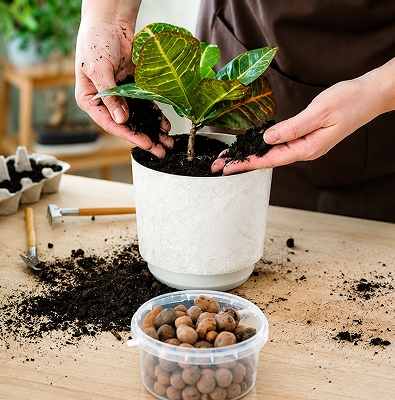
Step 2: Add Fresh Potting Mix
Fill the bottom with high-quality potting soil.
Avoid using garden soil because it becomes compact and drains poorly indoors.
Step 3: Remove the Plant
Gently squeeze the nursery pot and slide the plant out.
If roots are tightly packed:
- Loosen them gently
- Remove dead roots
- Untangle circling roots
This encourages healthy new growth.
Step 4: Position the Plant
Place the root ball in the center.
The top of the root ball should sit about 1 inch below the rim of the pot.
Step 5: Fill Around the Roots
Add fresh potting mix around the sides.
Lightly press the soil to remove large air pockets.
Avoid packing the soil too tightly.
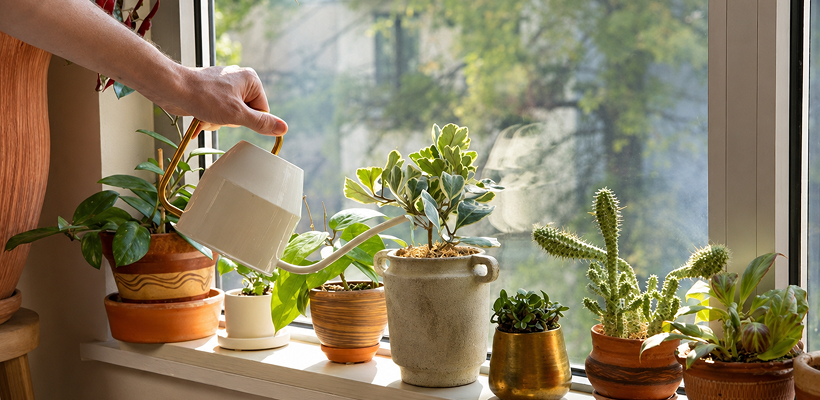
Step 6: Water Thoroughly
Water until it drains from the bottom.
Allow all excess water to drain before placing the pot on furniture or flooring.
Should You Put Rocks in the Bottom of Decorative Pots?
Many people believe adding rocks improves drainage.
In reality, horticulture experts generally recommend not placing rocks or gravel at the bottom of pots. Instead, use quality potting mix and proper drainage holes.
Rocks can actually create a “perched water table,” leaving roots sitting in overly wet soil.
Best Soil for Decorative Pots
Different plants require different soil.
For example:
Succulents and Cacti
- Fast-draining cactus mix
Tropical Plants
- Indoor potting mix with perlite
Ferns
- Moisture-retaining soil
Orchids
- Orchid bark mix
Using the correct soil significantly improves plant health.
How Often Should You Water?
Watering depends on:
- Plant species
- Pot size
- Temperature
- Humidity
- Season
- Season
- Amount of sunlight
Instead of following a schedule, check the soil first.
If the top 1–2 inches feel dry, it’s usually time to water.
Tips for Beautiful Decorative Plant Displays
Create attractive arrangements by following these design tips:
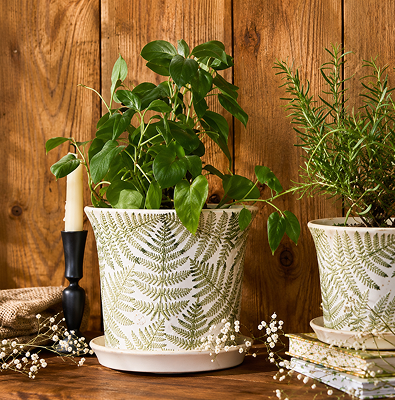
- Match pot colors with your home décor.
- Mix different plant heights.
- Use plant stands for visual interest.
- Group plants with similar watering needs.
- Rotate plants every few weeks for even growth.
- Clean decorative pots regularly to prevent dust buildup.
Common Mistakes to Avoid
Many plant owners unknowingly damage their plants by making simple mistakes.
Avoid:
- Planting in pots without drainage
- Overwatering
- Using heavy garden soil
- Choosing pots that are too large
- Letting roots sit in standing water
- Ignoring root-bound plants
- Forgetting to fertilize during the growing season
Benefits of Using Decorative Pots
Decorative pots offer more than aesthetic appeal.
Benefits include:
- Enhance home décor
- Create a polished indoor garden
- Protect furniture from soil spills
- Make plants easier to move
- Complement modern, rustic, minimalist, or traditional interiors
When used correctly, decorative pots combine style with healthy plant care.
Final Thoughts
Learning how to put plants in decorative pots is about balancing beauty with proper plant care. Whether you use a decorative cachepot or repot directly into a stylish container with drainage holes, following the right techniques will help your plants thrive while enhancing your living space.
By selecting the right pot, using quality potting mix, ensuring proper drainage, and watering carefully, you can enjoy vibrant, healthy plants that become a beautiful focal point in any room.
- FAQs
Frequently Asked Questions
Can I put a plant directly into a decorative pot?
Yes, but only if the pot has proper drainage holes. Otherwise, it’s better to keep the plant in its nursery pot.
Do decorative pots need drainage holes?
For healthy plants, drainage holes are strongly recommended.
Can I leave my plant in the nursery pot forever?
Yes. Many indoor gardeners keep plants in nursery pots and simply place them inside decorative containers.
Should decorative pots be bigger than nursery pots?
Yes. Choose a decorative pot that is approximately 1–2 inches larger than the nursery pot.
Is it okay to use decorative pots without holes?
Yes, as long as they function as outer cachepots and the plant remains in a removable nursery pot with drainage.
Recommended Blogs
- Beginner Plant Guide, Low-Light Indoor Plants, Spider Plant Care
- July 29, 2026
- Beginner Plant Guide, Hanging Plant Care, Indoor Plant Watering
- July 28, 2026