
Can Spider Plants Live in Low Light? A Complete Care Guide
- July 29, 2026
- 5 min read
Share
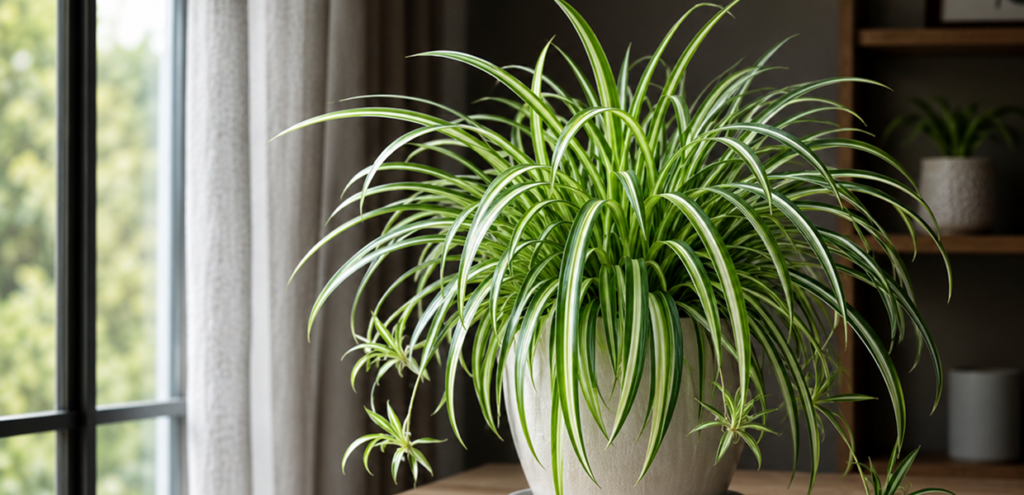
Spider plants are among the most popular houseplants because they are attractive, easy to care for, and adaptable to different indoor conditions. One of the most common questions plant lovers ask is: Can spider plants live in low light? The simple answer is yes — spider plants can survive in low-light environments, but they grow best in bright, indirect light.
If you want to keep a healthy spider plant in your home or office, understanding its lighting needs can help you achieve the best results.
Do Spider Plants Need a Lot of Light?
Spider plants (Chlorophytum comosum) are known for their ability to tolerate a variety of conditions. Unlike some houseplants that require direct sunlight, spider plants prefer bright, indirect light. However, they can also adapt to lower light areas, making them a great choice for apartments, offices, and rooms with limited natural sunlight.
In low-light conditions, spider plants will continue to live, but their growth may slow down, and their leaves may become less vibrant.
What Happens to Spider Plants in Low Light?
A spider plant can survive in low light, but you may notice some changes, including:
- Slower growth
- Smaller leaves
- Less variegation on striped varieties
- Fewer baby spider plants (plantlets)
- Soil taking longer to dry
These changes are normal and do not necessarily mean the plant is unhealthy. It simply means the plant is receiving less energy from light.
Best Places for Spider Plants in Low-Light Homes
If your home does not receive a lot of sunlight, you can still grow spider plants successfully. Some good
locations include:
- Bedrooms with north-facing windows
- Offices with artificial lighting
- Hallways with indirect light
- Living rooms away from direct sun
- Bathrooms with small windows
Even a few hours of filtered or indirect light each day can help keep your spider plant healthy.
Can Artificial Light Help Spider Plants?
Yes, artificial lighting can support spider plant growth. LED grow lights or standard indoor lighting can provide enough light when natural sunlight is limited.
For best results:
- Place the light 12–18 inches above the plant
- Provide 10–12 hours of light daily
- Avoid placing the plant in completely dark spaces
Artificial light is especially useful during winter or in rooms with few windows.
Other Spider Plant Care Tips
Light is important, but proper care also helps spider plants thrive.
Watering
Water your spider plant when the top inch of soil feels dry. Avoid overwatering, as low-light conditions can keep soil moist for longer periods.
Soil
Use well-draining potting soil to prevent root rot.
Temperature
Spider plants prefer temperatures between 18°C and 27°C.
Humidity
Average indoor humidity is usually enough, although spider plants appreciate slightly higher humidity.
Signs Your Spider Plant Needs More Light
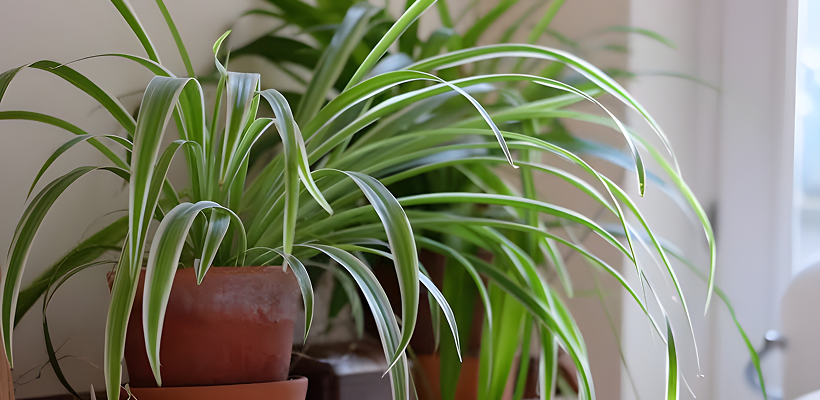
Your spider plant may need additional light if you notice:
- Pale or faded leaves
- Very slow growth
- Long, weak stems
- No baby plants forming
Moving the plant closer to a window or using a grow light can improve its health.
Final Thoughts
So, can spider plants live in low light? Yes, spider plants are highly adaptable and can survive in lower light conditions. However, they perform best in bright, indirect light, where they produce stronger growth and healthier foliage.
If your home has limited sunlight, a spider plant remains one of the easiest and most reliable indoor plants to grow. With proper watering, good soil, and enough indirect light, your spider plant can stay beautiful for years.
Recommended Blogs
- Beginner Plant Guide, Hanging Plant Care, Indoor Plant Watering
- July 28, 2026
- Beginner Plant Guide, Hanging Plant Care, Indoor Plant Watering
- July 28, 2026