Why is my Corn Plant Flowering? Understanding this Rare and Fascinating Event
- 18/05/2026
- 5 min read
Share
If you’ve noticed your corn plant producing flowers, you may be wondering, “Why is my corn plant flowering?” For many plant owners, this can come as a surprise because corn plants are primarily grown for their attractive foliage rather than their blooms. However, flowering is a natural part of a mature corn plant’s life cycle and is often a sign that your plant is thriving.
In this guide, we’ll explain why corn plants flower, what the flowers look like, whether flowering is a good sign, and how to care for your plant during this special stage.
What is a Corn Plant?
The corn plant, scientifically known as Dracaena fragrans, is a popular indoor houseplant prized for its long, arching green leaves and easy-care nature. Native to tropical regions of Africa, the corn plant is commonly used in homes and offices because it can tolerate lower light conditions and requires minimal maintenance.
Despite its name, the corn plant is not related to agricultural corn. The name comes from the resemblance of its leaves to corn stalk foliage.
Why is my Corn Plant Flowering?
A flowering corn plant is generally a positive sign. It indicates that your plant has reached maturity and is growing in favorable conditions. While corn plants can flower outdoors more frequently, indoor flowering is relatively rare.
Here are some common reasons why your corn plant is flowering:
1. Your Plant Has Reached Maturity
Corn plants typically need several years to mature before they produce flowers. If you’ve owned your plant for a long time or purchased a large, established specimen, flowering may simply be part of its natural development.
2. Ideal Growing Conditions
When a corn plant receives proper care, it is more likely to flower. Conditions that encourage blooming include:
- Consistent watering
- Bright, indirect sunlight
- Stable indoor temperatures
- Adequate humidity
- Proper fertilization
A healthy and stress-free environment signals to the plant that it has enough resources to reproduce.
3. Seasonal Changes
Some corn plants bloom in response to seasonal shifts in temperature and daylight. Even indoor plants can detect subtle environmental changes that trigger flowering.
4. Natural Reproductive Cycle
Flowering is the plant’s way of reproducing. Although most indoor corn plants do not produce seeds, blooming remains a natural biological process.
What do Corn Plant Flowers look like?
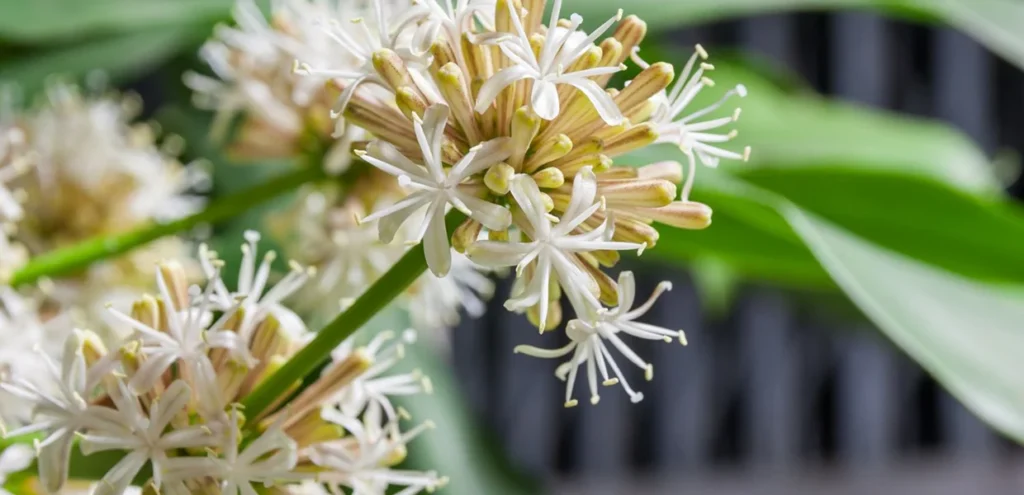
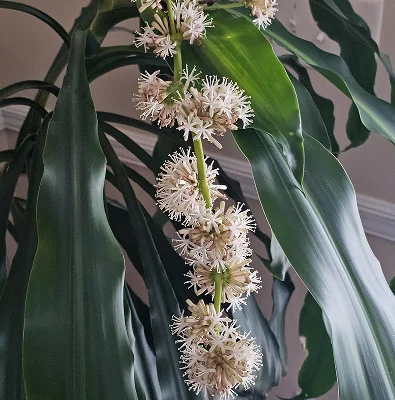
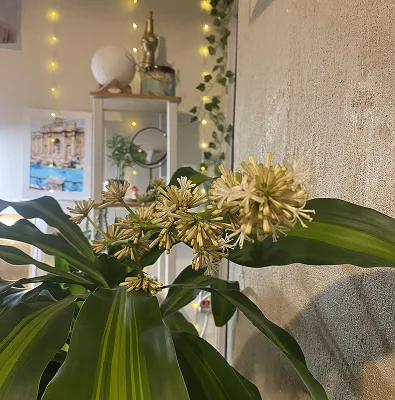
Corn plant flowers appear on long stalks that emerge from the center of the plant. The blossoms are usually:
- Small and star-shaped
- White, cream-colored, or pale pink
- Clustered together on a flowering spike
One of the most remarkable features of corn plant flowers is their fragrance. Many owners report a sweet, pleasant scent that becomes stronger during the evening and nighttime hours.
Is Flowering Good or Bad?
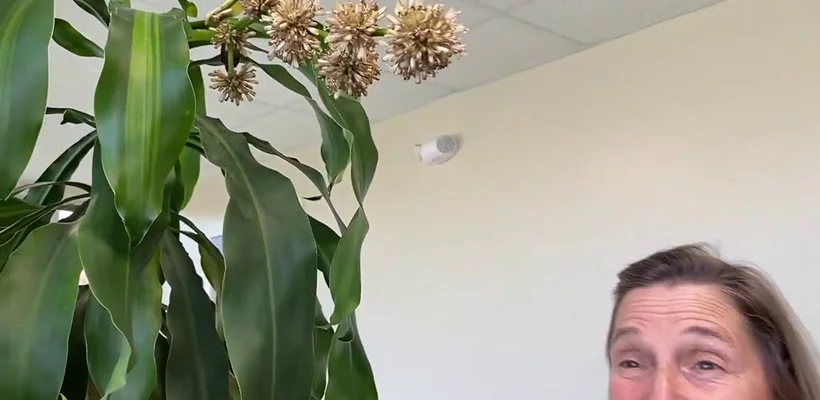
In most cases, flowering is a good sign. It means your corn plant is healthy and mature enough to enter its reproductive phase.
Benefits of flowering include:
- Indicates strong plant health
- Demonstrates proper care and growing conditions
- Adds visual interest and fragrance to your home
However, some people find the scent overwhelming, especially in smaller spaces. If the fragrance becomes too strong, you can move the plant to a well-ventilated area.
Should i Remove the Flowers?
emoving the flowers is entirely optional.
You may want to keep the flowers if:
- You enjoy their appearance
- You like the fragrance
- You want to observe the full blooming cycle
You may choose to remove them if:
- The scent is too strong
- The flower stalk becomes unattractive after blooming
- You prefer the plant to focus its energy on foliage growth
Once the flowers fade, you can safely trim the flower stalk near its base using clean pruning shears.
How Long Do Corn Plant Flowers Last?
The blooming period varies, but flowers typically last several weeks. Individual blossoms may open gradually over time, extending the overall display.
After flowering, the plant usually returns to its normal growth pattern and may not bloom again for several years.
How to Care for a Flowering Corn Plant?
To keep your flowering corn plant healthy, follow these care tips:
After flowering, the plant usually returns to its normal growth pattern and may not bloom again for several years.
Provide Bright Indirect Light
Place the plant near a window where it receives filtered sunlight. Avoid direct sun, which can scorch the leaves.
Water Properly
Allow the top inch of soil to dry slightly before watering. Overwatering can lead to root rot.
Maintain Humidity
Moderate humidity levels help support healthy growth and flowering.
Avoid Sudden Changes
Keep the plant away from cold drafts, heating vents, and sudden temperature fluctuations.
Use Balanced Fertilizer
A balanced houseplant fertilizer during the growing season can help maintain overall plant health.
Threats to the Species
Despite its impressive stature, Eucalyptus regnans faces several challenges:
Wildfires
Intense bushfires can destroy mature forests and affect regeneration.
Logging
Commercial logging has reduced some old-growth forest areas.
Climate Change
Rising temperatures and changing rainfall patterns may impact future growth and survival.
Conservation efforts continue to protect these extraordinary forests and their ecosystems.
Conclusion
If you’ve been asking, “Why is my corn plant flowering?”, the answer is usually simple: your plant is healthy, mature, and happy. Although indoor blooming is relatively rare, it is a fascinating event that many plant enthusiasts consider a reward for excellent care.
Enjoy the beautiful flowers and their sweet fragrance while they last. With proper maintenance, your corn plant will continue to be an attractive and rewarding addition to your indoor space for years to come.
- FAQs
Frequently Asked Questions
How often do corn plants flower indoors?
Indoor flowering is uncommon and may occur only every few years, if at all.
Does flowering mean my corn plant is dying?
Indoor flowering is uncommon and may occur only every few years, if at all.
Are corn plant flowers fragrant?
Indoor flowering is uncommon and may occur only every few years, if at all.
Can I encourage my corn plant to bloom?
Indoor flowering is uncommon and may occur only every few years, if at all.
Recommended Blogs
Watering Basics
Beginner Care
18/05/2026
Sunlight Guide
Light & Placement
18/05/2026
Repotting Tutorial
Plant Maintenance
18/05/2026