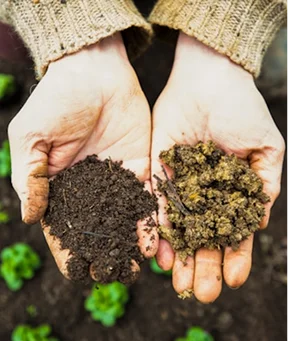

How to Plant a Tree: Step-by-Step Guide for Healthy Growth
- 18/05/2026
- 5 min read
Share
Planting a tree is one of the best ways to improve your outdoor space, increase shade, and support the environment. However, simply placing a tree in the ground is not enough. Proper planting techniques help the tree develop strong roots, grow faster, and stay healthy for years.
This step-by-step guide explains how to plant a tree correctly, from choosing the right location to caring for it after planting.
Why Proper Tree Planting Matters
A properly planted tree can:
- Grow stronger and healthier
- Develop deep root systems
- Resist disease and pests
- Provide shade and cleaner air
- Increase property value
Incorrect planting can lead to poor growth, root problems, or even tree death within a few years.
Step 1: Choose the Right Tree
Before planting, select a tree suitable for your climate, available space, and soil conditions.
Consider:
- Mature tree size
- Sunlight requirements
- Water needs
- Local weather conditions
- Root spread
Popular choices include:
- Fruit trees
- Shade trees
- Flowering trees
- Evergreen trees
Choose healthy young trees with strong stems and healthy leaves.
Step 2: Select the Best Planting Location
Location plays a major role in tree growth.
an area with:
- Enough sunlight
- Good drainage
- Space for roots and branches
- Distance from buildings and power lines
Avoid planting too close to:
- House foundations
- Sidewalks
- Underground pipes
- Driveways
Most trees prefer at least 6–8 hours of sunlight daily.
Step 3: Dig the Planting Hole
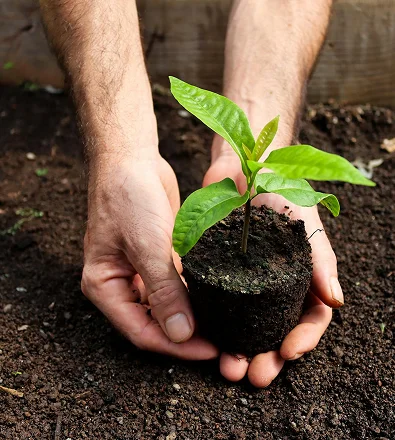
The planting hole should be wider than the root ball but not excessively deep.
Ideal Hole Size
- Width: 2–3 times wider than the root ball
- Depth: Same height as the root ball
A hole that is too deep can cause the tree to sink over time, leading to root problems.
Loosen the soil around the edges to help roots spread easily.
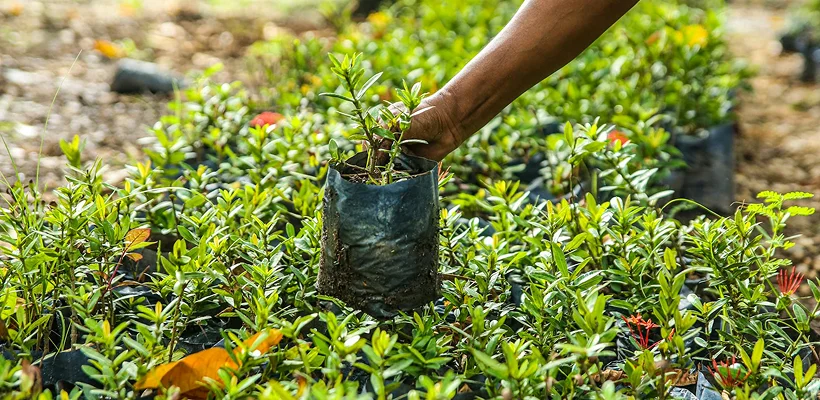
Step 4: Remove the Tree From Its Container
Carefully remove the tree from:
- Plastic nursery pots
- Burlap wrapping
- Containers
Inspect the roots before planting.
If roots are tightly circling the root ball:
- Gently loosen them with your hands
- Trim damaged roots if necessary
Healthy roots help trees establish faster after planting.
Step 5: Position the Tree Correctly
Place the tree in the center of the hole. The root flare, where the trunk widens at the base, should remain slightly above ground level.
Avoid planting too deep because it can suffocate roots and cause trunk rot.
Check the tree from different angles to ensure it stands straight before filling the hole.
Step 6: Fill the Hole With Soil
As you fill:
- Press soil gently around roots
- Remove large air pockets
- Avoid compacting the soil too tightly
Using too much fertilizer during planting may damage young roots, so it is usually better to avoid heavy fertilization initially.
Step 7: Water the Tree Thoroughly
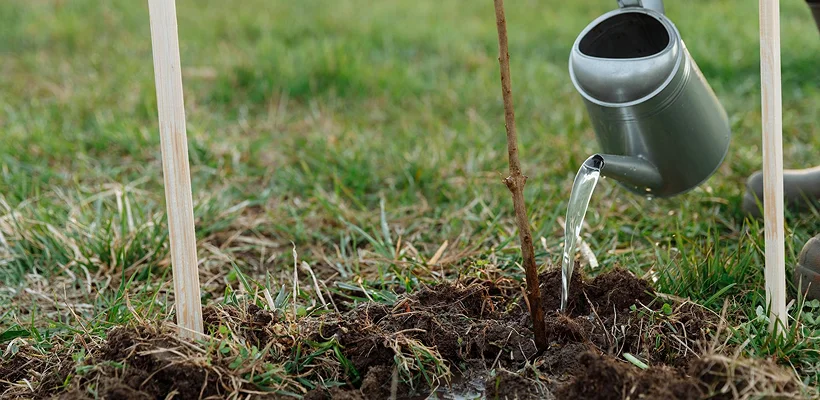
Water immediately after planting to help settle the soil around the roots.
Watering Tips
- Water slowly and deeply
- Keep soil moist but not waterlogged
- Water regularly during the first growing season
Newly planted trees need extra attention because their roots are still establishing.
Step 8: Add Mulch Around the Base
Mulching helps:
- Retain soil moisture
- Reduce weeds
- Regulate soil temperature
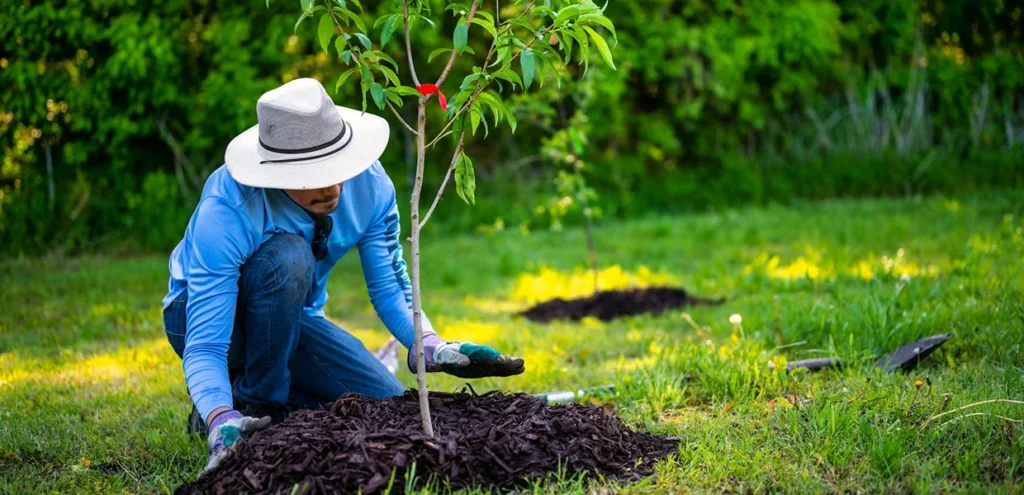
Apply a 2–4 inch layer of mulch around the base, but keep it a few inches away from the trunk.
Avoid piling mulch directly against the tree trunk because it can trap moisture and encourage rot.
Step 9: Support the Tree if Necessary
Some young trees may need staking, especially in windy areas.
Use soft ties and avoid tying the trunk too tightly.
Tree stakes should:
- Support the tree gently
- Allow slight movement
- Be removed after the tree stabilizes
Too much support can weaken trunk development.
Step 10: Continue Tree Care After Planting
Tree care does not stop after planting.
Important Ongoing Care
- Water regularly during dry periods
- Monitor for pests or diseases
- Prune dead branches when needed
- Refresh mulch yearly
- Protect young trees from damage
The first 1–2 years are the most important for healthy establishment.
Common Tree Planting Mistakes to Avoid
Planting Too Deep
This is one of the most common mistakes and can suffocate roots.
Overwatering
Too much water can lead to root rot.
Volcano Mulching
Piling mulch against the trunk traps moisture and attracts pests.
Poor Location Choice
Planting large trees too close to buildings may create future problems.
Ignoring Root Health
Circling or damaged roots can affect long-term growth.

Best Time to Plant a Tree
The ideal planting season depends on climate, but generally:
- Spring and fall are best
- Cooler temperatures reduce stress
- Roots establish more easily
Avoid planting during extreme summer heat.
Final Thoughts
Learning how to plant a tree correctly helps ensure long-term growth and health. By choosing the right location, planting at the proper depth, watering consistently, and providing ongoing care, you give your tree the best chance to thrive.
A healthy tree can provide beauty, shade, cleaner air, and environmental benefits for decades, making proper planting well worth the effort.
- Featured Categories
FAQs About Indoor Aloe Vera Care
How deep should a tree be planted?
The root flare should remain slightly above soil level. Avoid planting too deep.
Should I fertilize a newly planted tree?
The root flare should remain slightly above soil level. Avoid planting too deep.
How often should I water a new tree?
The root flare should remain slightly above soil level. Avoid planting too deep.
Can I plant a tree near my house?
The root flare should remain slightly above soil level. Avoid planting too deep.
What is the best mulch for trees?
The root flare should remain slightly above soil level. Avoid planting too deep.
Recommended Blogs
Watering Basics
Beginner Care
18/05/2026

Sunlight Guide
Light & Placement
18/05/2026
Repotting Tutorial
Plant Maintenance
18/05/2026