How to Care for Aloe Plant Indoors: A Complete Beginner’s Guide
- 18/05/2026
- 5 min read
Share
Indoor plants have become a major part of modern homes, and one of the easiest plants to grow is Aloe Vera. Known for its thick green leaves and healing properties, aloe vera is both decorative and practical. However, many people accidentally damage their aloe plant by overwatering it or placing it in the wrong location.
If you are wondering how to care for aloe plant indoors, this guide covers everything you need to know, including sunlight requirements, watering tips, soil selection, common problems, and maintenance advice.
Why Aloe Vera Is a Great Indoor Plant
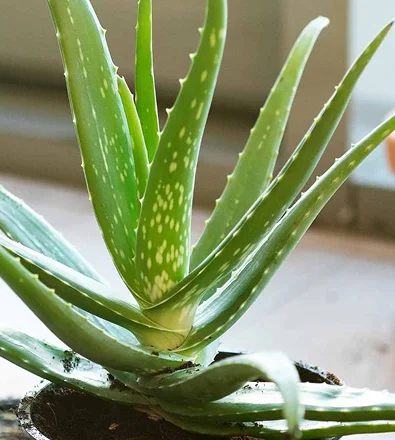
Aloe vera is a succulent plant that stores water inside its leaves, making it highly drought-tolerant and low maintenance. It works well indoors because it does not require constant care like many tropical houseplants.
Benefits of growing aloe vera indoors include:
- Easy maintenance
- Air-purifying qualities
- Attractive appearance
- Medicinal gel inside the leaves
- Long lifespan with proper care
Because of these benefits, aloe vera remains one of the most popular indoor plants for beginners.
Best Light Conditions for Indoor Aloe Plants
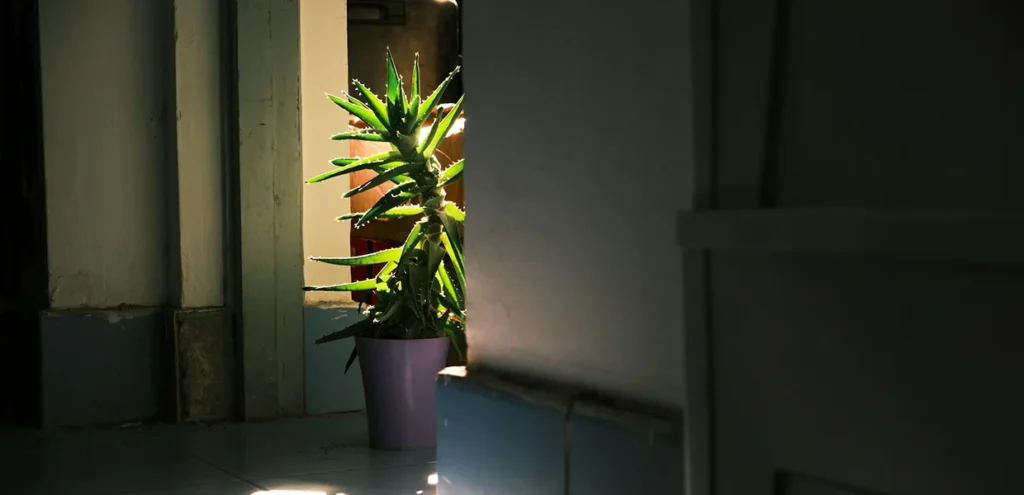
Lighting is one of the most important factors in aloe vera care. Aloe plants naturally grow in warm and sunny climates, so they need plenty of light indoors.
Place your aloe plant near:
- A south-facing window
- A west-facing window
- A bright balcony or sunroom
Aloe vera generally needs around 6 to 8 hours of sunlight daily. Bright indirect light works best, although mild morning sun is also beneficial.
Signs your aloe plant needs more light:
- Leaves become thin
- Plant starts leaning heavily
- Pale green color
- Slow growth
If sunlight indoors is limited, you can also use grow lights to support healthy growth.
How Often Should You Water Aloe Vera Indoors?
The biggest mistake people make with indoor aloe plants is overwatering.
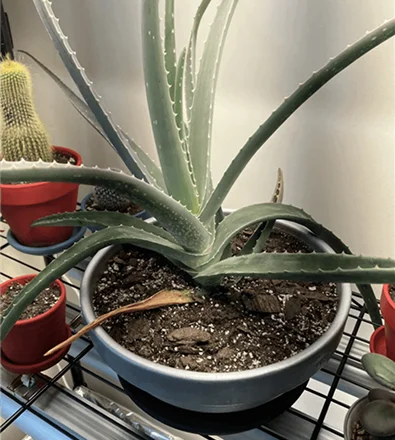
Since aloe vera stores water in its leaves, it prefers dry conditions rather than constantly moist soil. Always allow the soil to dry completely before watering again.
General Watering Schedule
- Summer: Every 2–3 weeks
- Winter: Every 3–4 weeks or less
The frequency depends on:
- Indoor temperature
- Humidity levels
- Pot size
- Sunlight exposure
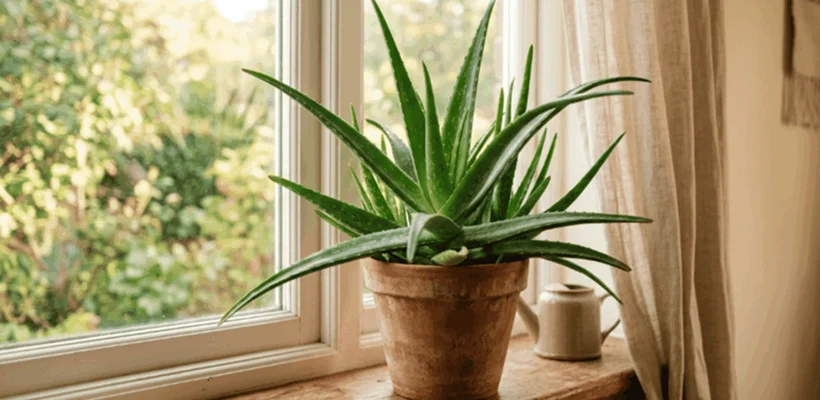
Proper Watering Technique
When watering:
- Pour water deeply into the soil
- Allow excess water to drain fully
- Empty any tray beneath the pot
- Never leave roots sitting in water
Overwatering can quickly cause root rot, which is one of the most common reasons aloe plants die indoors.
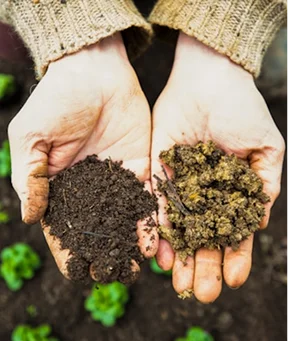
Best Soil for Aloe Vera Plants
Aloe vera requires fast-draining soil to prevent moisture buildup around the roots.
The best options include:
- Cactus soil mix
- Succulent potting mix
- Sandy, loose soil blends
You can also improve drainage by adding:
- Perlite
- Coarse sand
- Small gravel
Avoid heavy garden soil because it retains too much moisture.
Choosing the Right Pot
The type of pot you use also affects aloe plant health.
Best Pot Types
- Terracotta pots
- Clay pots
- Pots with drainage holes
Terracotta pots are especially useful because they absorb excess moisture and help soil dry faster.
Avoid decorative containers without drainage holes, as trapped water can lead to root rot.
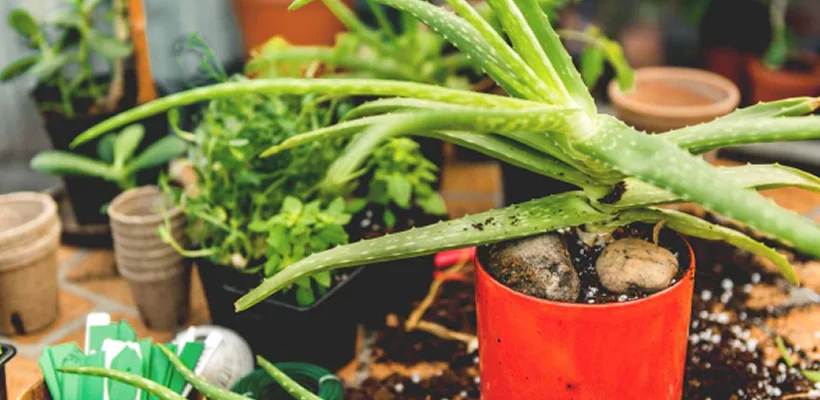
Ideal Indoor Temperature for Aloe Vera
Aloe vera grows best in warm indoor environments.
Ideal temperature range:
- 13°C to 27°C (55°F to 80°F)
Keep the plant away from:
- Freezing temperatures
- Strong AC airflow
- Cold windows during winter
- Excess humidity
Aloe vera prefers dry air and stable temperatures.
Common Aloe Vera Problems and Solutions
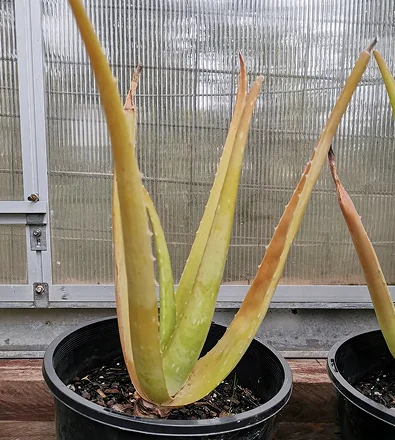
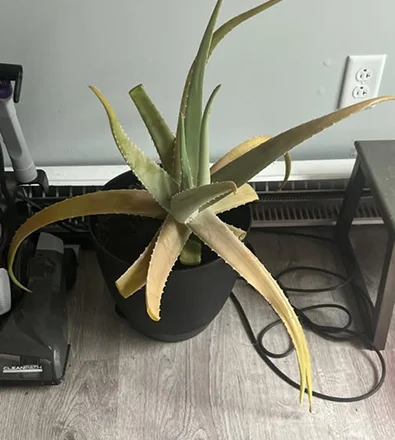
Yellow or Mushy Leaves
Usually caused by:
- Overwatering
- Poor drainage
- Root rot
Solution:
- Reduce watering immediately
- Repot into dry succulent soil if necessary
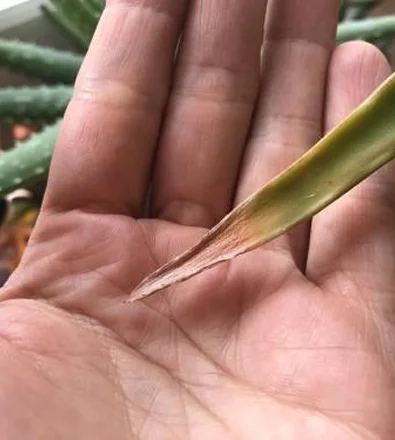
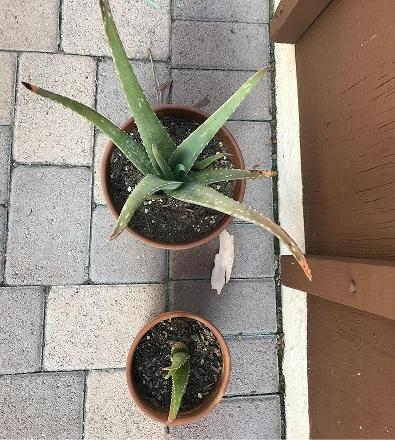
Brown Leaf Tips
Possible causes:
- Underwatering
- Excess heat
- Salt buildup in soil
Solution:
- Water properly when soil dries
- Flush soil occasionally with clean water
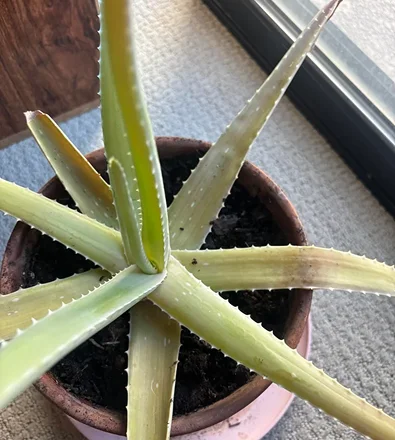
Pale or Stretching Leaves
This usually indicates insufficient sunlight.
Solution:
- Move the plant closer to a brighter window
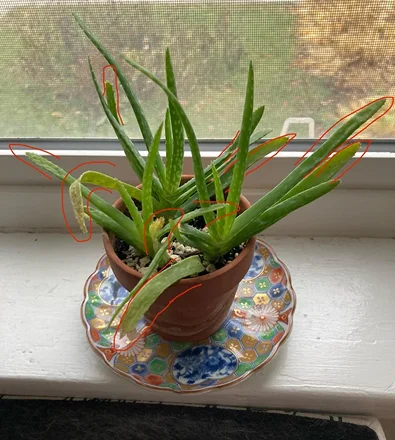
Drooping Aloe Leaves
Drooping may happen because of:
- Water stress
- Lack of light
- Weak roots from overwatering
Inspect the soil and lighting conditions carefully..
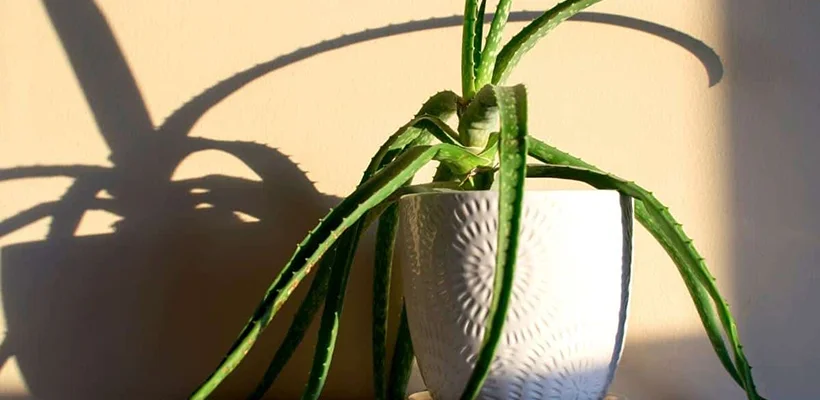
How to Repot an Indoor Aloe Plant
Healthy aloe plants produce smaller baby plants around the base called pups or offsets.
When to Repot
Repot your aloe plant when:
- Roots start coming out of drainage holes
- The plant becomes top-heavy
- Soil dries too quickly
- Pups overcrowd the container
Repotting Steps
- Remove the plant gently
- Shake off excess old soil
- Inspect roots for rot
- Place in fresh succulent soil
- Wait a few days before watering
Repotting is usually needed every 2–3 years.
Can You Grow Aloe Vera From Pups?
Healthy aloe plants produce smaller baby plants around the base called pups or offsets.
You can propagate aloe vera by:
- Removing mature pups carefully
- Letting cut ends dry for 1–2 days
- Planting them in dry succulent soil
- Watering lightly after roots settle
This is one of the easiest ways to grow new aloe plants indoors.
Is Aloe Vera Safe for Pets?
While aloe vera is beneficial for humans, it can be mildly toxic to cats and dogs if consumed.
- If you have pets:
Keep the plant out of reach - Avoid fallen leaves on the floor
- Contact a veterinarian if ingestion occurs
Final Thoughts
Learning how to care for aloe plant indoors is relatively simple once you understand its basic needs. Aloe vera thrives with bright sunlight, minimal watering, proper drainage, and warm temperatures. Unlike many houseplants, it actually performs better when left alone rather than constantly watered or moved.
With the right care routine, an indoor aloe vera plant can remain healthy for many years while adding a natural and refreshing touch to your home.
- Featured Categories
FAQs About Indoor Aloe Vera Care
How much sunlight does an indoor aloe plant need?
Indoor aloe vera plants usually need 6–8 hours of bright light daily for healthy growth.
How do I know if my aloe plant is overwatered?
Indoor aloe vera plants usually need 6–8 hours of bright light daily for healthy growth.
Can aloe vera survive without direct sunlight?
Indoor aloe vera plants usually need 6–8 hours of bright light daily for healthy growth.
Should I mist my aloe vera plant?
Indoor aloe vera plants usually need 6–8 hours of bright light daily for healthy growth.
How long do indoor aloe vera plants live?
Indoor aloe vera plants usually need 6–8 hours of bright light daily for healthy growth.
Recommended Blogs
Watering Basics
Beginner Care
18/05/2026
Sunlight Guide
Light & Placement
18/05/2026
Repotting Tutorial
Plant Maintenance
18/05/2026