How to Water Houseplants: The Complete Guide for Healthy Indoor Plants
- 18/05/2026
- 5 min read
Share
Watering seems simple, but it’s one of the most common reasons houseplants struggle. Too much water can lead to root rot, while too little can leave plants dehydrated and unhealthy. Understanding when and how to water your indoor plants is essential for keeping them vibrant and thriving.
In this guide, you’ll learn the best watering practices, common mistakes to avoid, and how to determine exactly when your plants need water.
Why Proper Watering Matters
Water plays a critical role in plant health. It helps transport nutrients from the soil to the plant, supports photosynthesis, and maintains healthy growth.
When plants receive the right amount of water, they can:
- Develop strong root systems
- Produce healthy leaves and flowers
- Resist pests and diseases
- Grow consistently throughout the year
However, improper watering can quickly lead to stress and damage.
How Often Should You Water Houseplants?
The truth is that watering needs vary depending on:
- Plant species
- Pot size
- Soil type
- Indoor temperature
- Humidity levels
- Season of the year
- Amount of sunlight received
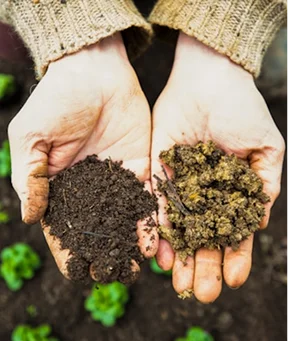
Instead of watering on a strict schedule, check the soil moisture regularly.
The Finger Test
Insert your finger about 1–2 inches into the soil.
- If the soil feels dry, it’s usually time to water.
- If the soil feels moist, wait a few more days before checking again.
This simple method is often more reliable than following a calendar.
The Best Way to Water Houseplants
Follow these steps for effective watering:
1. Water Thoroughly
When watering, apply enough water so that it flows through the drainage holes at the bottom of the pot.
This ensures the entire root system receives moisture.
2. Allow Excess Water to Drain
Never let plants sit in standing water for extended periods. Empty saucers or decorative containers after watering.
3. Water the Soil, Not the Leaves
Direct water toward the soil around the base of the plant.
Wet leaves can encourage fungal issues and disease in some plant species.
4. Use Room-Temperature Water
Extremely cold or hot water can shock plant roots. Room-temperature water is generally best for indoor plants.
Signs of Overwatering
Overwatering is one of the most common causes of houseplant problems.
Common symptoms include:
- Yellow leaves
- Soft or mushy stems
- Wilting despite wet soil
- Mold growth on the soil surface
- Fungus gnats around the plant
- Root rot
If you notice these signs, reduce watering frequency and check drainage conditions.
Signs of Underwatering
Plants that don’t receive enough water may show:
- Dry, crispy leaf edges
- Drooping leaves
- Slow growth
- Soil pulling away from the edges of the pot
- Premature leaf drop
Most underwatered plants recover quickly once properly watered.
Watering Houseplants by Season
Spring and Summer
Plants typically grow more actively during warmer months and often need more frequent watering.
Monitor soil moisture closely, especially during heat waves.
Fall and Winter
Many indoor plants slow their growth during cooler months.
As growth decreases, watering requirements usually decrease as well. Always check soil moisture before watering.
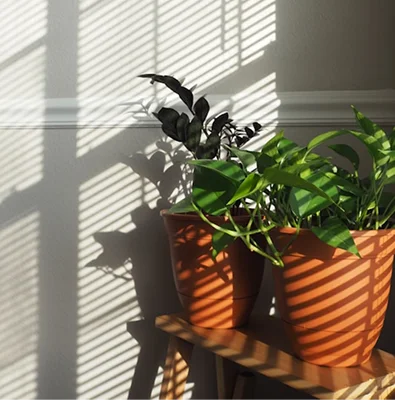
Common Watering Mistakes to Avoid
Watering on a Fixed Schedule
Plants typically grow more actively during warmer months and often need more frequent watering.
Using Pots Without Drainage
Drainage holes help prevent excess moisture from accumulating around roots.
Ignoring Environmental Changes
Moving a plant to a brighter window or changing room temperature can affect watering needs.
Giving Small Amounts of Water Frequently
Light surface watering encourages shallow roots. Deep watering promotes stronger root development.
Which Houseplants Need More Water?
Plants that generally prefer more consistent moisture include:
- Peace Lil
- Ferns
- Calathea
- Prayer Plant
- Baby Tears
These plants often appreciate slightly moist soil.
Which Houseplants Prefer Drier Soil?
Some plants thrive when allowed to dry between waterings:
- Snake Plant
- ZZ Plant
- Aloe Vera
- Jade Plant
- Most Succulents
- Cacti
Overwatering these plants is a common mistake.
Should You Use Tap Water?
Most houseplants tolerate tap water well.
However, if you notice leaf browning or mineral buildup in the soil, consider using:
- Filtered water
- Distilled water
- Rainwater
This can be especially beneficial for sensitive tropical plants.
Final Thoughts
Learning how to water houseplants properly is one of the most important skills for successful indoor gardening. Instead of following a rigid watering schedule, pay attention to your plant’s environment and soil moisture levels.
By watering thoroughly, providing proper drainage, and adjusting care throughout the seasons, you’ll create the ideal conditions for healthy, thriving houseplants.
Whether you’re caring for a snake plant, monstera, pothos, or peace lily, understanding your plant’s unique watering needs will help it flourish for years to come.
Recommended Blogs
Watering Basics
Beginner Care
18/05/2026
Sunlight Guide
Light & Placement
18/05/2026
Repotting Tutorial
Plant Maintenance
18/05/2026