How to Care for a Jade Plant: Complete Indoor Care Guide
Jade plants are one of the most popular indoor succulents because they are long-living, low-maintenance, and visually attractive. With thick green leaves and a tree-like structure, they are often considered symbols of good luck and prosperity.
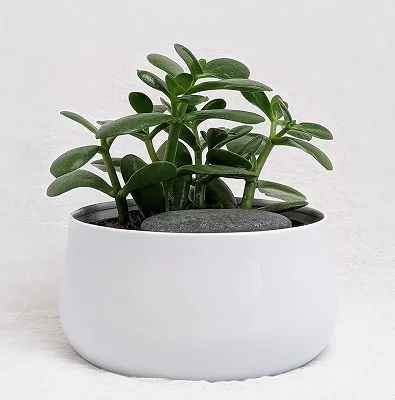
The jade plant (Crassula ovata) is a succulent that stores water in its leaves, which means it requires less frequent watering and thrives in bright conditions.
Why Jade Plants Are Popular
Jade plants are widely chosen for homes and offices because they are:
- Easy to maintain
- Long-living (can survive for decades)
- Drought-tolerant
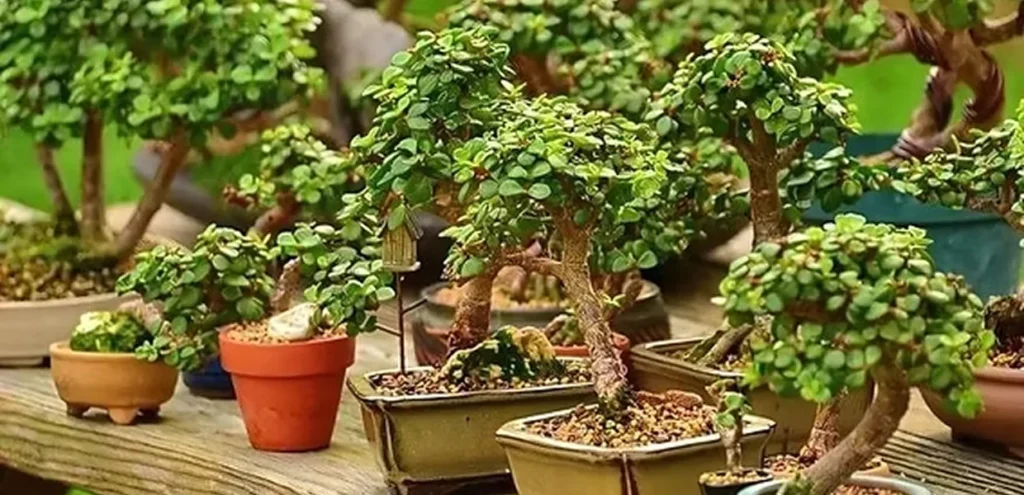
- Decorative and bonsai-like in appearance
- Suitable for beginners
They are perfect for people who want a low-effort but attractive indoor plant.
Best Light for Jade Plant
Jade plants need more light than many indoor plants.
Ideal Lighting Conditions
- Bright direct sunlight (morning sun is best)
- Bright indirect light near a window
- At least 4–6 hours of light daily
What to Avoid
- Very low light (causes weak, stretched growth)
- Harsh afternoon sun for long hours (can scorch leaves)
A south or east-facing window is usually ideal.
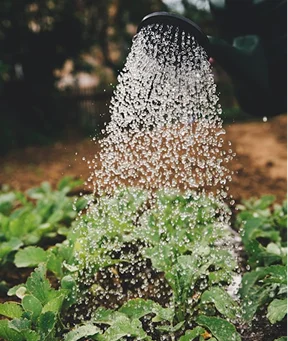
How Often to Water a Jade Plant
Overwatering is the biggest mistake with jade plants.
Watering Guidelines
- Water only when soil is completely dry
- Usually every 2–3 weeks
- Even less in winter
- Always reduce watering in humid weather
Jade plants store water in their leaves, so they prefer dry conditions.
Signs of Water Issues
- Wrinkled leaves: underwatering
- Soft, mushy leaves: overwatering
- Leaf drop: inconsistent watering or root stress
Best Soil and Pot for Jade Plant
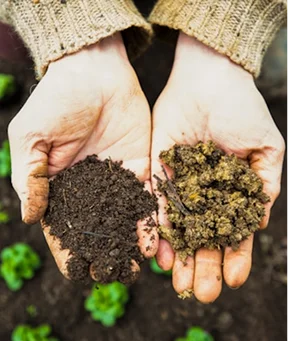
Jade plants need fast-draining soil to prevent root rot.
Recommended Soil
- Cactus or succulent mix
- Sandy, gritty soil blend
- Soil mixed with perlite or pumice
Best Pot Type
- Terracotta pots (best choice)
- Pots with drainage holes
- Slightly heavy pots to support plant weight
Temperature and Humidity Needs
Jade plants prefer warm and dry environments.
Ideal Temperature
- 18°C to 27°C (65°F to 80°F)
Important Tips
- Avoid freezing temperatures
- Keep away from cold drafts
- No need for extra humidity or misting
Normal indoor air is perfect for jade plants.
Fertilizing a Jade Plant
Jade plants do not require heavy feeding.
Fertilizer Tips
- Use diluted succulent fertilizer
- Feed once a month in spring and summer
- Avoid fertilizing in winter
- Do not overfeed (can damage roots and leaves)
Common Jade Plant Problems
Yellow Leaves
Usually caused by overwatering or poor drainage.
Leaf Drop
Can happen due to sudden temperature changes or inconsistent watering.
Wrinkled Leaves
Indicates underwatering or root issues.
Leggy Growth
Caused by lack of sunlight; plant stretches toward light.
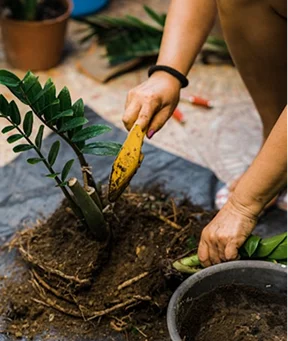
How to Propagate Jade Plants
Jade plants are very easy to propagate.
Methods:
- Leaf cuttings (place in soil until roots grow)
- Stem cuttings (most effective method)
- Direct replanting of cut stems
Allow cuttings to dry for a day before planting to prevent rot.
Benefits of Jade Plants Indoors
Jade plants are ideal because they:
- Live for many years
- Require minimal care
- Add a decorative, bonsai-like look
- Adapt well to indoor environments
- Symbolize luck and prosperity in many cultures
Final Thoughts
Caring for a jade plant is simple if you follow its main rule: less water, more light. With proper sunlight, well-draining soil, and minimal watering, the jade plant can thrive for decades and become a beautiful long-term indoor companion.
Sunlight Guide
Light & Placement
18/05/2026
Repotting Tutorial
Plant Maintenance
18/05/2026