

Plantiva — Simple Plant Care Guides

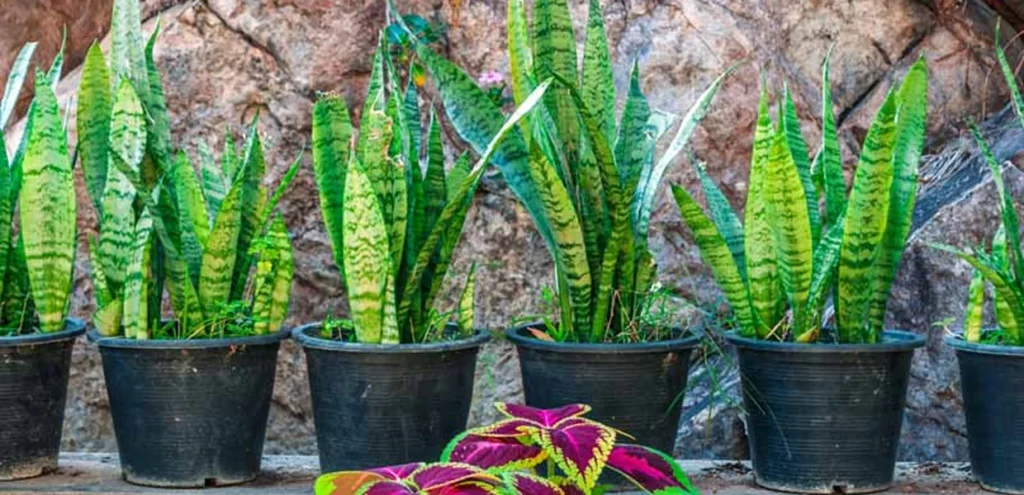
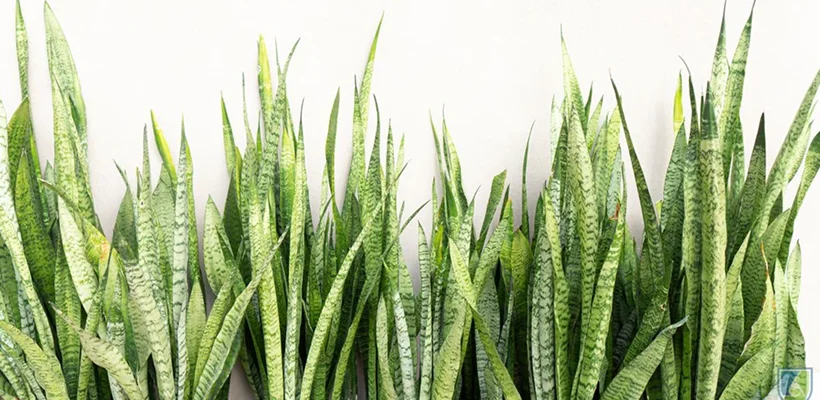
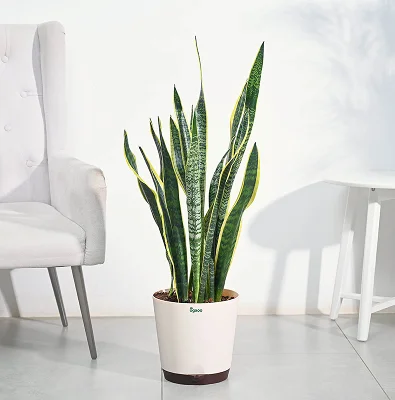
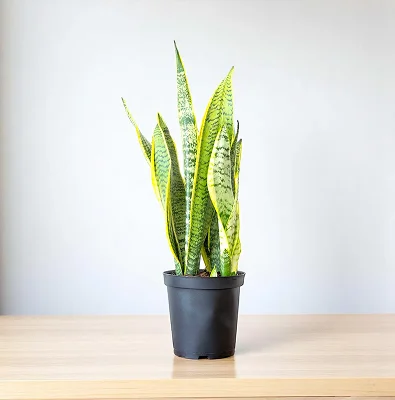
Snake plants are one of the easiest houseplants to grow, making them perfect for beginners and busy plant lovers. Known for their upright green leaves and low-maintenance nature, snake plants can survive in many indoor conditions while still looking stylish and healthy.
The snake plant (Dracaena trifasciata), also called mother-in-law’s tongue, is popular for homes, offices, and apartments because it requires minimal care and adapts well to indoor environments.
Snake plants are loved for several reasons:
Their modern appearance makes them a popular choice for home and office decoration.
Snake plants grow best in bright indirect sunlight, but they are highly adaptable.
They can also survive in low-light rooms, although growth may become slower.
Strong direct sunlight can burn the leaves and cause brown patches. A spot near a window with filtered light is usually ideal.
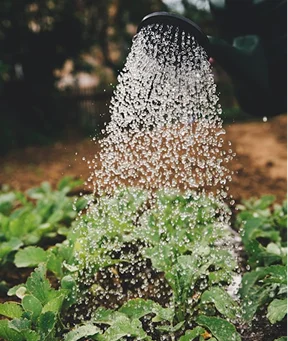
Overwatering is the most common problem with snake plants.
Since snake plants store water in their leaves, they prefer dry soil between watering sessions.
If leaves become yellow, soft, or mushy, the plant may be getting too much water.
Snake plants need well-draining soil to prevent root rot.
Avoid dense soil that holds moisture for long periods.
Terracotta pots are excellent because they help excess moisture evaporate faster.
Snake plants thrive in normal indoor conditions.
Keep the plant away from:
Normal household humidity works perfectly for snake plants.
Snake plants do not require frequent fertilizing.
Too much fertilizer can damage the roots and affect growth.
Usually caused by overwatering or poor drainage.
Can happen due to dry air, underwatering, or excessive sunlight.
Often linked to root issues or insufficient lighting.
A serious issue caused by soggy soil. Repot the plant in fresh dry soil if roots begin rotting.
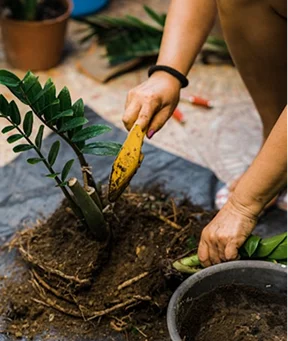
Snake plants are easy to propagate using:
Division is often the fastest and most reliable method.
Snake plants are ideal indoor plants because they:
They are excellent choices for bedrooms, offices, living rooms, and apartments.
Learning how to care for a snake plant is simple. Give it moderate light, avoid overwatering, and use well-draining soil to keep it healthy and thriving.
Because of their durability and low-maintenance nature, snake plants remain one of the best indoor plants for beginners and experienced plant owners alike.