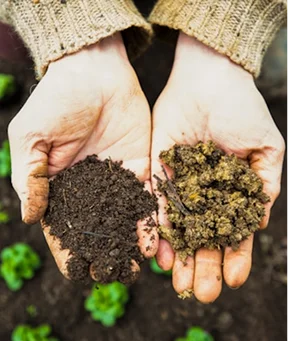
What Is Urban Gardening ? A Complete Beginner's Guide to Growing Food in the City
- 18/05/2026
- 5 min read
Share
Urban gardening is the practice of growing vegetables, fruits, herbs, flowers, and ornamental plants in cities and densely populated areas where traditional gardening space is limited. Instead of relying on large backyards or farmland, urban gardeners make the most of balconies, rooftops, patios, windowsills, community gardens, and even indoor spaces.
As more people embrace sustainable living and healthier lifestyles, urban gardening has become one of the fastest-growing gardening trends worldwide. Whether you live in an apartment or a small house, you can create a productive garden that provides fresh produce, improves your environment, and enhances your well-being.
Why Is Urban Gardening Becoming So Popular?
Rapid urbanization has reduced access to traditional gardens, but it has also inspired innovative ways to grow food in limited spaces. People are turning to urban gardening because it offers:
- Fresh, homegrown vegetables and herbs
- Lower grocery costs
- Better food quality and safety
- Sustainable living practices
- Stress relief and improved mental health
- More greenery in urban environments
Growing your own food also helps reduce transportation emissions and food waste while encouraging healthier eating habits.
Types of Urban Gardening
There are several methods of urban gardening suitable for different living spaces.
1. Container Gardening
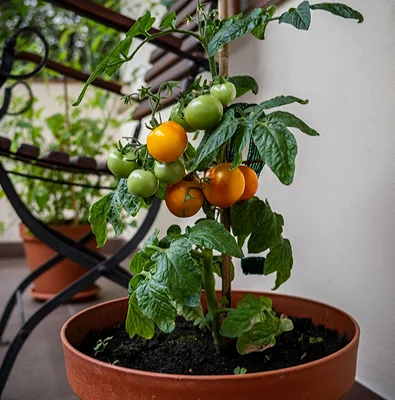
Container gardening is ideal for beginners. Plants are grown in pots, buckets, grow bags, or raised planters.
Best plants include:
- Tomatoes
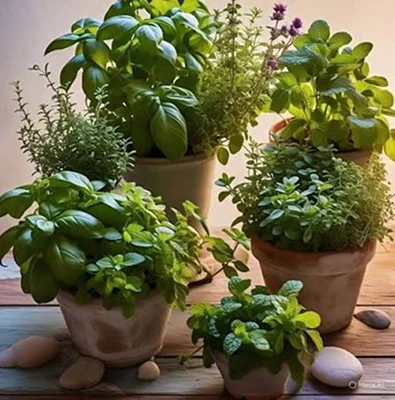
- Basil
- Mint
- Lettuce
- Chili peppers
- Strawberries
2. Balcony Gardening
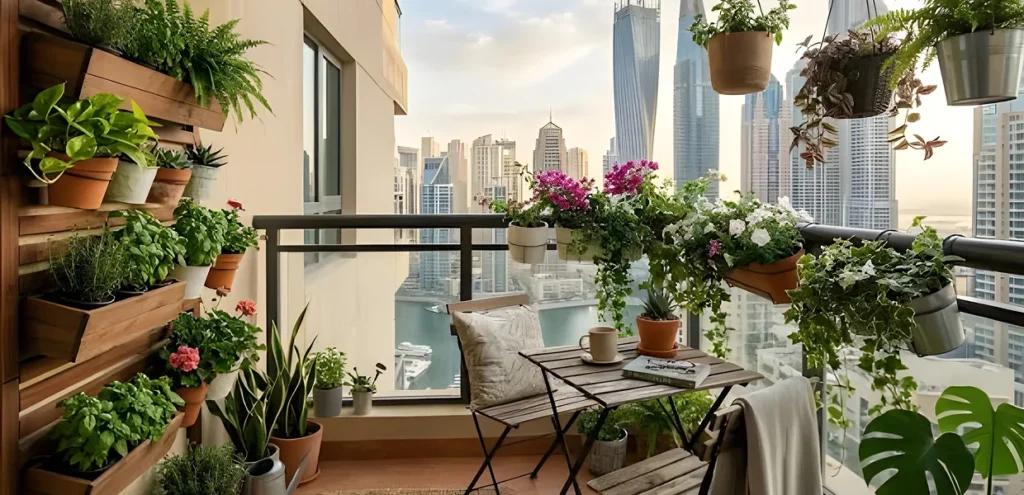
Apartment dwellers often transform balconies into productive green spaces using containers, hanging baskets, and vertical planters.
Balcony gardens are perfect for:
- Herbs
- Flowers
- Leafy greens
- Compact vegetables
3. Rooftop Gardening
Flat rooftops provide excellent opportunities to grow larger vegetable gardens or decorative landscapes. Proper waterproofing and structural support are essential before starting.
Popular rooftop crops include:
- Tomatoes
- Cucumbers
- Leafy greens
- Beans
- Peppers
4. Vertical Gardening
Vertical gardening maximizes small spaces by growing plants upward instead of outward.
Common vertical systems include:
- Wall planters
- Hanging pots
- Trellises
- Pocket gardens
- Stackable planters
5. Community Gardening
Community gardens allow neighbors to share land, resources, and gardening knowledge while growing food together.
Benefits include:
- Stronger communities
- Shared gardening costs
- Educational opportunities
- Greater food accessibility
6. Indoor Gardening
Indoor gardens use windows, shelves, or grow lights to cultivate plants throughout the year.
Ideal indoor plants include:
- Herbs
- Microgreens
- Succulents
- Snake plants
- Pothos
- Peace lilies
Benefits of Urban Gardening
Fresh and Healthy Food
Growing your own produce ensures access to fresh vegetables without unnecessary preservatives or long transportation times.
Saves Money
A small garden can significantly reduce grocery expenses by supplying herbs, vegetables, and seasonal fruits.
Improves Air Quality
Plants absorb carbon dioxide and release oxygen while helping filter pollutants in urban environments.
Supports Sustainability
Urban gardening encourages composting, water conservation, recycling containers, and reducing food miles.
Enhances Mental Well-Being
Gardening has been shown to reduce stress, improve mood, and promote relaxation through regular interaction with nature.
Encourages Physical Activity
Gardening has been shown to reduce stress, improve mood, and promote relaxation through regular interaction with nature.
Best Plants for Urban Gardening
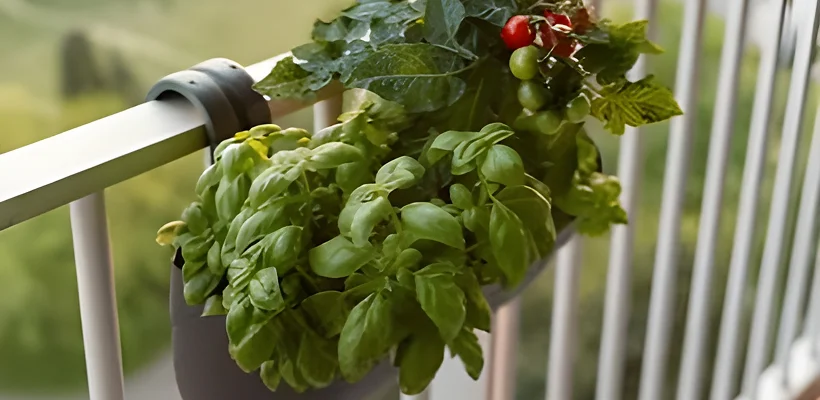
If you’re just getting started, choose plants that are easy to grow and maintain.
Vegetables
- Tomatoes
- Lettuce
- Spinach
- Radishes
- Carrots
- Green onions
Herbs
- Basil
- Mint
- Parsley
- Cilantro
- Rosemary
- Thyme
Fruits
- Strawberries
- Blueberries (in containers)
- Dwarf citrus trees
Flowers
- Marigolds
- Petunias
- Zinnias
- Nasturtiums
How to Start an Urban Garden
Starting an urban garden is easier than many people think.
Choose the Right Location
Look for an area that receives at least 6 to 8 hours of sunlight each day.
Select Suitable Containers
Choose pots with proper drainage holes to prevent root rot.
Use Quality Potting Soil
High-quality potting mix provides nutrients and improves drainage compared to ordinary garden soil.
Water Consistently
Container plants dry out faster than garden beds, especially during warm weather.
Feed Your Plants
Apply organic compost or balanced fertilizer regularly according to each plant’s needs.
Monitor for Pests
Inspect plants frequently for insects and diseases, and use natural pest control methods whenever possible.
Common Challenges of Urban Gardening
Urban gardeners may face several obstacles, including:
- Limited growing space
- Shade from nearby buildings
- Small containers drying out quickly
- Pest management
- Watering during hot weather
Fortunately, careful planning and choosing suitable plants can overcome most of these challenges.
Urban Gardening Tips for Beginners
Follow these simple tips for success:
- Start with easy-to-grow plants.
- Avoid overcrowding containers.
- Water early in the morning.
- Rotate crops each season.
- Add compost regularly.
- Harvest vegetables frequently.
- Learn from each growing season.
Is Urban Gardening Worth It?
Absolutely. Urban gardening makes it possible for anyone to enjoy fresh food, regardless of how much outdoor space they have. From a few herbs on a windowsill to a thriving rooftop vegetable garden, every small effort contributes to healthier living and a greener city.
Whether your goal is growing organic vegetables, beautifying your home, or adopting a more sustainable lifestyle, urban gardening is an enjoyable and rewarding hobby that anyone can start.
Best Plants for Beginners by Zone
Final Thoughts
Urban gardening proves that you don’t need a large backyard to grow fresh, nutritious food. With the right containers, healthy soil, and proper care, even the smallest urban spaces can become thriving gardens. Start small, choose beginner-friendly plants, and enjoy the satisfaction of harvesting food you’ve grown yourself while creating a greener, healthier living environment.
- FAQs
Frequently Asked Questions
What is urban gardening in simple words?
Urban gardening is the practice of growing plants, vegetables, fruits, or flowers in cities using small spaces such as balconies, rooftops, patios, containers, or indoor areas.
What can I grow in an urban garden?
You can grow herbs, leafy greens, tomatoes, peppers, strawberries, flowers, microgreens, and many compact vegetable varieties.
Is urban gardening expensive?
No. Many urban gardens start with inexpensive containers, quality soil, seeds, and basic gardening tools. Costs can be kept low by reusing containers and making compost at home.
How much sunlight do urban gardens need?
Most vegetables require at least 6–8 hours of direct sunlight daily. Herbs and leafy greens can often tolerate partial shade.
Recommended Blogs
Watering Basics
Beginner Care
18/05/2026
Sunlight Guide
Light & Placement
18/05/2026
Repotting Tutorial
Plant Maintenance
18/05/2026